
Data Centres and Schools Compete for Electricity, Students Left Sweltering
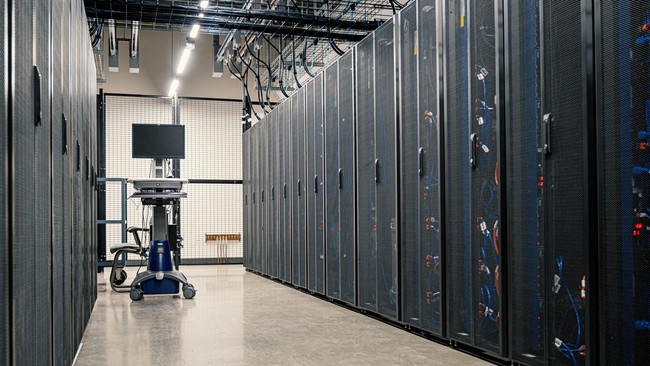
Amidst the intense heatwave hitting the East Coast of the United States, Henrico District in Virginia has issued instructions that raise significant questions. While 37 data centres operate continuously, consuming vast amounts of electricity, public schools have been asked to turn off lights and conserve power to prevent utility bills from skyrocketing.
This case, reported by media outlets Futurism and 404 Media in early July 2026, serves as a clear example of the sharpening competition for energy between the digital industry and public interests—an issue that is also beginning to emerge in Indonesia as data centre construction rapidly expands across the country.
Henrico District Manager John Vithoulcas sent a circular stating that electricity tariffs for all government facilities and schools will rise by 25 per cent starting 1 July 2026. This increase is expected to add a cost burden of US$5 million within a single fiscal year, with the potential for further increases in the future.
To cut costs, he has requested that staff and teachers turn off lights when rooms are empty, shut down computers at the end of the working day, adjust window blinds to prevent solar heat from entering, and avoid using space heaters.
These instructions come as air temperatures soar in the United States. In the US, electricity tariffs during specific periods are set based on supply and demand. When electricity demand surges and supply remains unchanged, transmission companies set higher per kWh rates. However, tariffs can also decrease when supply significantly exceeds demand.
Ironically, the approximately 37 power-hungry data centres currently operating in Henrico District have not been urged to reduce their electricity consumption.
Data centres are facilities that require a large and stable electricity supply 24 hours a day, 365 days a year. A single large-scale facility can consume power equivalent to hundreds of thousands of households, especially those supporting Artificial Intelligence (AI) and cloud computing services.
In Henrico, this additional load is pushing the electrical grid to near its capacity limits, particularly during the summer when the demand for air conditioning surges. Consequently, the costs of investing in new networks and increasing power plant capacity are often passed on to all customers, including schools and ordinary citizens.
“Many residents have reported that their home electricity bills have doubled despite not changing their usage habits. Even those using solar panels and heat pumps are still feeling the impact,” the Futurism report noted.
In Indonesia, data centre development is progressing rapidly. Areas around Jakarta, Batam, and Central Java have become favourite locations due to their proximity to user hubs and fibre optic cable routes.
This means Indonesia is likely to face similar challenges. Power demand is set to surge quickly, as a single data centre cluster can absorb hundreds of megawatts, potentially outstripping the expansion speed of local power plants.
Beyond electricity, data centres also require vast amounts of water for cooling systems, which are projected to reach 86.5 billion litres per year by 2030, competing with the clean water needs of the population. If not managed properly, the costs of upgrading electrical infrastructure could be passed on to general customers, including schools, hospitals, and lower-to-middle-income residents.