
Data centres and Batam’s future
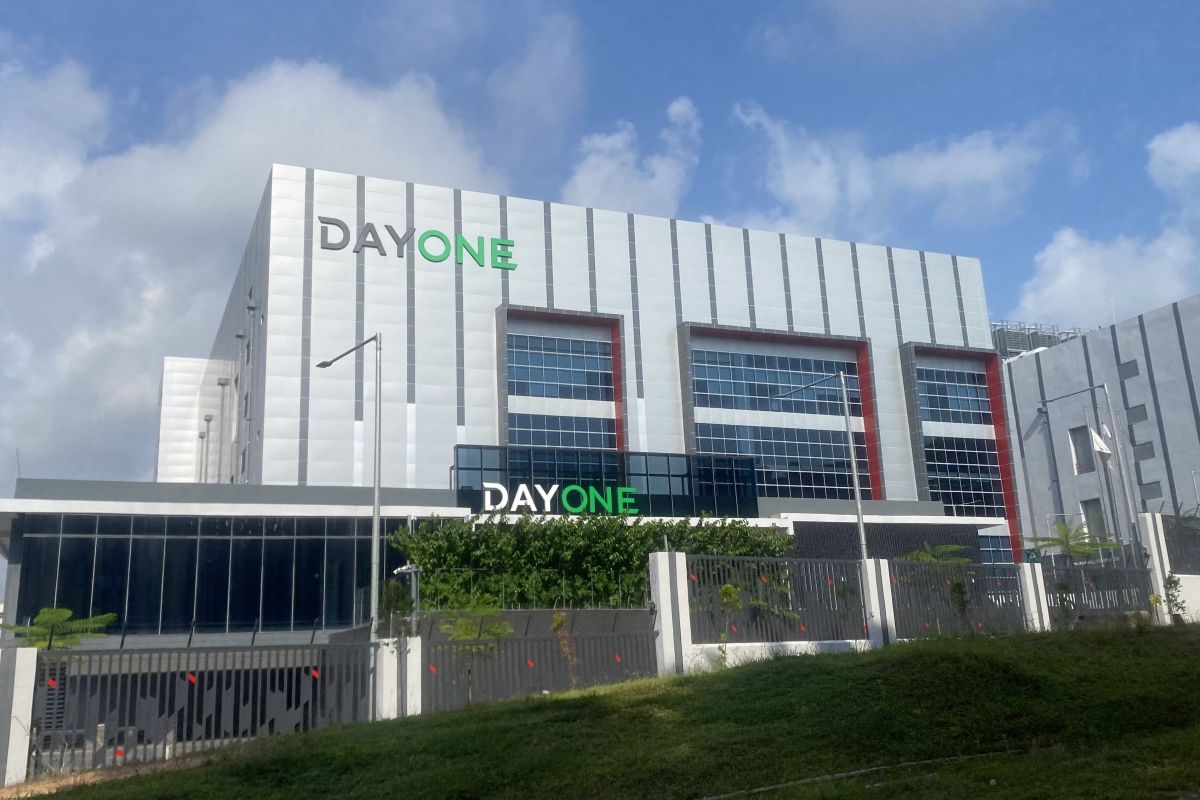
Data centres can be a blessing when their growth is prepared for with reliable infrastructure, responsible resource use and open economic opportunities.
Jakarta (ANTARA) — In a column in Kompas on 15 October 2026, Andreas Maryoto raised a reflective question about the arrival of data centres: are they a blessing or a misfortune?
The question is relevant to Batam, where opportunities for digital investment are expanding alongside public concern about water services, electricity reliability and employment opportunities.
When services are disrupted, people need prompt action and transparent explanations. It is reasonable to ask whether Batam’s infrastructure can support residents’ needs while also driving industrial growth, and whether high-tech investment will genuinely improve people’s well-being. These questions should guide efforts to improve the quality of development.
Batam’s proximity to Singapore, its industrial zones and its international connectivity give it opportunities to develop cloud services, artificial intelligence and the digital economy. These opportunities should be welcomed with a commensurate level of preparedness. Significant capital inflows must go hand in hand with reliable infrastructure, quality services and economic benefits for the community.
By the end of August 2026, BP Batam’s mapping had identified nine data-centre entities with 10 campuses or project sites, at the planning, construction or phased-operation stages. These statuses need to be clearly explained, as investment plans, commitments, construction and operations entail different utility requirements.
Transparency also requires clarity about the scope of the data. Differences in the number of entities, project sites and electricity customers often arise from different recording bases. A comprehensive explanation of these differences is essential to help the public understand investment dynamics and prevent planned capacity from being mistaken for facilities already fully operational.
Investment information should therefore be linked to electricity and water planning. Requirements should be calculated according to construction and operational schedules so that additional capacity can be prepared in time. This would give investment promotion a measurable and accountable basis in actual preparedness.
In PLN Batam’s projections for 2026–2035, available generating capacity is planned to rise from around 970 MW in 2026 to 3,691 MW in 2035. Electricity demand from data-centre customers is forecast to increase from 89 MW in 2026 to 1,150 MW from 2031, in line with the facilities’ development phases.
PLN Batam has also mapped 17 data-centre customers, 10 of which have power-delivery schedules classified as commitments. The figures show demand that must be anticipated and underline the importance of synchronising confirmed demand, financing, power-plant construction and grid readiness.
Projections, however, remain plans that must be monitored. For residents and businesses, electricity resilience is measured by continuity of service. Generating capacity needs to be supported by operational reserves, transmission and distribution networks, and the ability to restore service after disruptions. Increased supply must translate into greater reliability for all customers.
The development of sustainable energy also presents opportunities. PLN Batam has mapped potential solar power projects totalling around 2,500 MWp, including in Rempang, Duriangkang, Pulau Lumba and Piayu. The projects are at different stages of readiness. Their potential should be developed with due regard to the characteristics of solar generation and the power system’s reliability requirements.