
Data Centre Projects Face Rejection Everywhere, Leaving Governments at a Loss
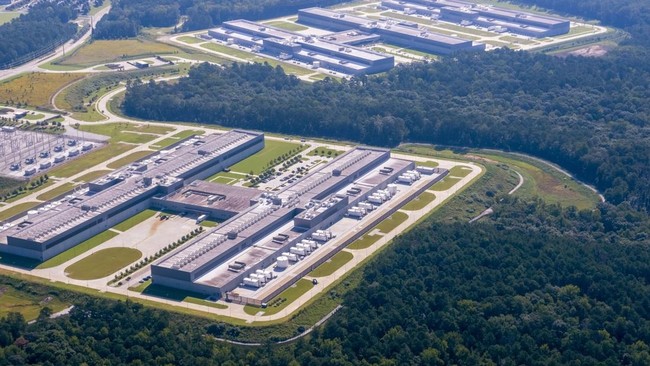
A wave of public protests against the data-centre construction boom is now threatening the political landscape in the United States. Voters in 10 states are preparing to decide the fate of the artificial intelligence (AI) industry on the upcoming Election Day.
A Reuters report said mounting opposition, spreading from Democrats to Republicans, could derail data-centre projects worth billions of US dollars.
The situation has left local and federal governments in a difficult position. On the one hand, they want to promote the growth of the digital economy; on the other, they risk losing constituents’ support amid concerns over energy and the environment.
The strongest opposition is in Ohio, one of the fastest-growing data-centre markets in the US. According to data from the non-partisan research organisation Ballotpedia, voters in more than a dozen Ohio jurisdictions will consider 21 proposals to restrict data centres alongside the midterm elections.
Across the country, voters in 38 local jurisdictions are due to vote on at least 41 initiatives to impose restrictions. The new rules could delay projects, ban them outright or tighten permits for facilities that provide computing power for AI.
“Support for banning certain data-centre developments comes from both Democratic and Republican voters. We all want the same thing,” said Jessica Baker, a local campaigner with Conserve Ohio, according to Reuters on Friday (30 October 2026).
Concerns over electricity, water and children’s health
The cross-party opposition is driven by widespread concerns about the enormous electricity demand and water consumption of data centres. Residents fear the facilities could trigger local energy shortages, raise electricity bills and harm children’s health, including by increasing the risk of asthma.
The political threat from voters has put major technology projects at risk. In Sunbury, Ohio, a proposed measure to ban data centres with a capacity above 25 megawatts threatens the future of Amazon’s US$2 billion (around Rp36 trillion) data-centre project.
In an effort to calm residents’ anger and secure the project, Amazon’s head of public policy, Shannon Kellogg, appeared on local television to explain the company’s position ahead of the vote.
Industry continues to forge ahead
Despite the political threat and the prospect of tighter regulations, data-centre construction capacity in the US rose by 48% between December 2025 and June 2026, according to real-estate firm Cushman & Wakefield.
Analysts say that if local governments yield to public pressure and introduce restrictions, technology giants are unlikely to halt their expansion. Instead, they are expected to redirect investment to areas with more favourable regulations.
However, with the national electricity grid under strain and construction costs rising, widespread local opposition on Election Day could deal a serious blow to US ambitions to lead the global AI race.