
Dasco to Study Survey Results on Public Satisfaction with Prabowo's Performance
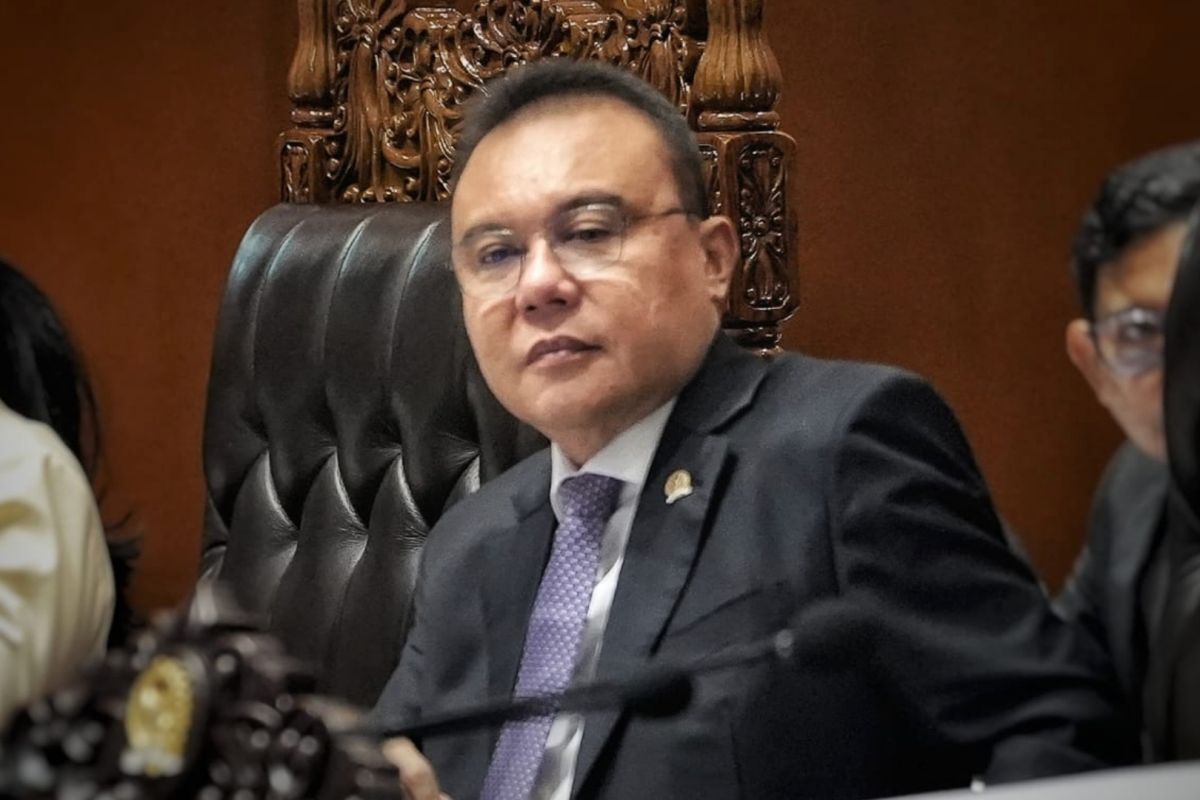
Jakarta (ANTARA) - Deputy Speaker of the House of Representatives and Daily Chair of the Gerindra Party Central Board, Sufmi Dasco Ahmad, has stated that his party is currently studying the latest survey results regarding public satisfaction with the performance of President Prabowo Subianto. “We are certainly studying and reviewing it. The survey results are a form of input, of course. We will compile them later,” Dasco said when met at the Parliament Complex in Jakarta on Thursday. According to him, survey results that are proven to reflect actual conditions can serve as evaluation material for the government. “We hope that the government will then address any issues if the study’s findings indicate that certain things are indeed happening at present,” he said. Saiful Mujani Research and Consulting recorded that the level of public satisfaction with President Prabowo’s performance stood at 51.1 per cent, based on a survey conducted from 5 to 19 July 2026. SMRC Executive Director Deni Irvani, when releasing the survey results on Sunday, said this satisfaction level had decreased compared to the November 2025 survey, which recorded 81.2 per cent. Deni detailed that in the latest SMRC survey, around 4.8 per cent of citizens felt very satisfied with the president’s performance, 46.3 per cent were quite satisfied, 35 per cent were less satisfied, 11.9 per cent were not satisfied at all, and 2.1 per cent did not know or did not answer. According to him, this decline in public satisfaction is closely related to negative evaluations by citizens of economic conditions, politics, and law enforcement. The survey population consisted of all Indonesian citizens with voting rights. A total of 749 respondents were selected randomly. Respondents with telephones were interviewed by phone, while those without were interviewed face-to-face. The survey’s margin of error is approximately 3.7 per cent.