
Dasco Highlights Unity in Youth Pledge Anniversary Speech
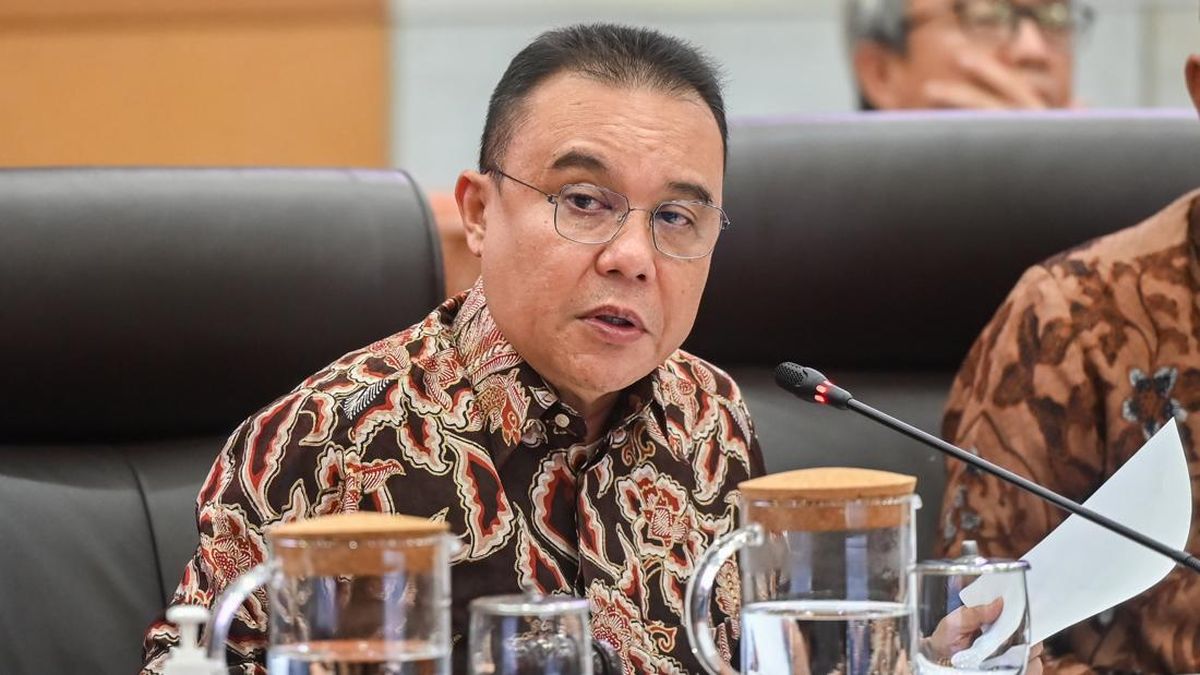
Deputy Speaker of the House of Representatives (DPR), Sufmi Dasco Ahmad, highlighted national unity in a speech delivered on Wednesday (28 October), marking the 98th anniversary of the Youth Pledge.
In a video broadcast, Dasco said the declaration of the Youth Pledge on 28 October 1928 was not based on agreement on many issues. However, he stressed, its signatories agreed on one thing: one homeland, one nation and one language.
“They did not agree on everything, but they agreed on something more important: one homeland, one nation and the Indonesian language as a unifying language,” said Dasco, who was accompanied by two other DPR leaders, Cucun Ahmad Syamsurizal and Saan Mustopa.
Dasco said the young people of the time had not waited for circumstances to become easy before uniting. Instead, he said, they recognised that the future could not be pursued separately.
“That was the political courage of the 1928 generation: putting the nation’s aspirations above group boundaries. That kind of courage is being demanded of us again today,” said the Gerindra Party’s daily executive chair.
He added that the world was currently facing geopolitical and economic uncertainty. According to Dasco, tensions in the Middle East were having effects beyond the conflict zone, influencing energy prices, shipping costs, supply chains and inflation, and ultimately affecting Indonesian households.
He said competition between major powers, the contest for technology and shifts in global trade were also narrowing the options for countries that were unprepared.
Indonesia, too, faced challenges including tensions in the South China Sea, maritime security, cross-border crime and cyber threats. These came alongside forest and land fires, transboundary haze, floods, extreme weather and food security risks.
“Unity must not remain a slogan. It must become the state’s capacity to make decisions that are sound, swift and fair,” he said.
On the 98th anniversary of the Youth Pledge, Indonesians, including university students, took to the streets to voice a series of demands.
Among other things, they called on the government to declare a national disaster over the forest fires, prosecute the corporations responsible and complete the integration of land governance.
They also demanded that the state budget be used in the interests of the public and that wasteful spending for short-term political purposes be stopped, citing the Free Nutritious Meals programme and the Merah Putih Village Cooperatives programme.
Other demands included lower education costs and equal access to basic services. Protesters also called for an end to the misuse of legal instruments to abuse power, and for action against corruption, collusion and nepotism.
They further urged the government to guarantee and protect freedom of expression, prosecute human rights violators and halt the militarisation of civilian spaces.
In response, the government said it was ready to receive the demonstrators’ demands, adding that the protests were protected by the Constitution and legislation.