
Darunnajah University Integrates Islamic Studies with Science and Technology
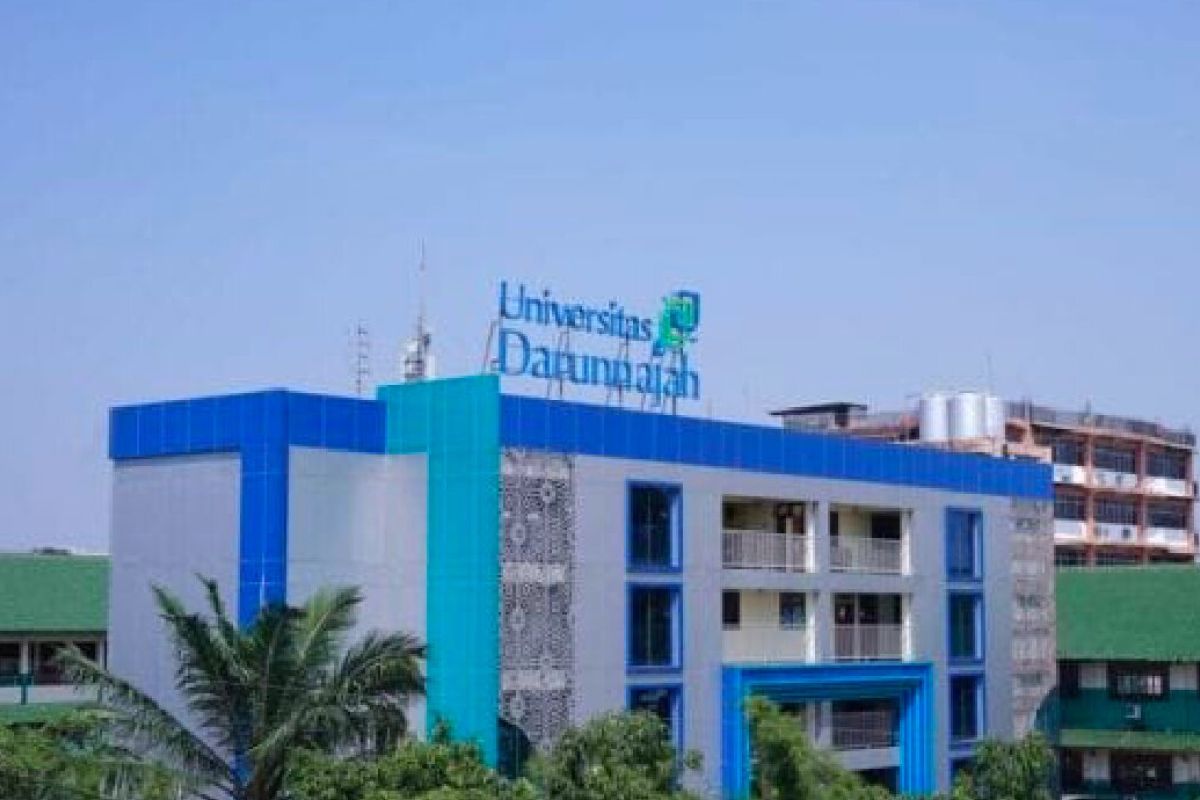
Universitas Darunnajah, a private pesantren-based university in the Pesanggrahan area of South Jakarta, is developing higher education that combines religious studies with science, technology, and business to meet future challenges. “Universitas Darunnajah develops higher education that integrates Islamic values, pesantren traditions, and modern science,” said Rector Prof. Hasan Darojat in Jakarta on Thursday. According to him, the world of higher education is constantly changing, and today’s students need more than just theoretical knowledge; they also require the ability to adapt, innovate, communicate, and solve real problems in society. “Responding to these needs, Universitas Darunnajah develops higher education that combines these values,” Hasan stated. He explained that this concept is reflected in the choice of study programmes offered. At the undergraduate level, students can enter the fields of religion and education through the Faculty of Islamic Studies, develop business skills through the Faculty of Business, or pursue technology and science through the Faculty of Science and Technology. Within the Faculty of Science and Technology, students can study Software Engineering, Information Systems and Technology, and Actuarial Science. Meanwhile, the Faculty of Business offers Business Administration, Digital Business, and Entrepreneurship. The university’s guidelines also stipulate that the learning process is directed towards achieving graduate competencies through learning planning, learning experiences, teaching methods, and evaluation. This approach extends to the master’s and doctoral levels. The Master of Islamic Education Management programme offers a concentration in Pesantren Education Management, combining management, Islamic education, and the pesantren context. At the doctoral level, the university develops Islamic Education Management studies with a concentration in Pesantren Management. Hasan affirmed that the opening of these programmes is supported by academic discussions involving academics and Islamic education policymakers to address the need for increasingly professional pesantren governance. This spirit is further reinforced by various academic activities at the university. In July 2026, for instance, Universitas Darunnajah will hold a Pesantren Economic Management Workshop discussing financial governance, business unit development, productive waqf, and pesantren economic independence. “This means students are not only invited to understand theory in the classroom. They also get space to see how knowledge is applied to real problems,” Hasan said. “Religious knowledge cannot be separated from the developments of the times. Both are brought together to form a generation that is knowledgeable, has character, and is ready to face the future,” he added.