
Darmin Nasution believes government needs to adjust fuel subsidy budget
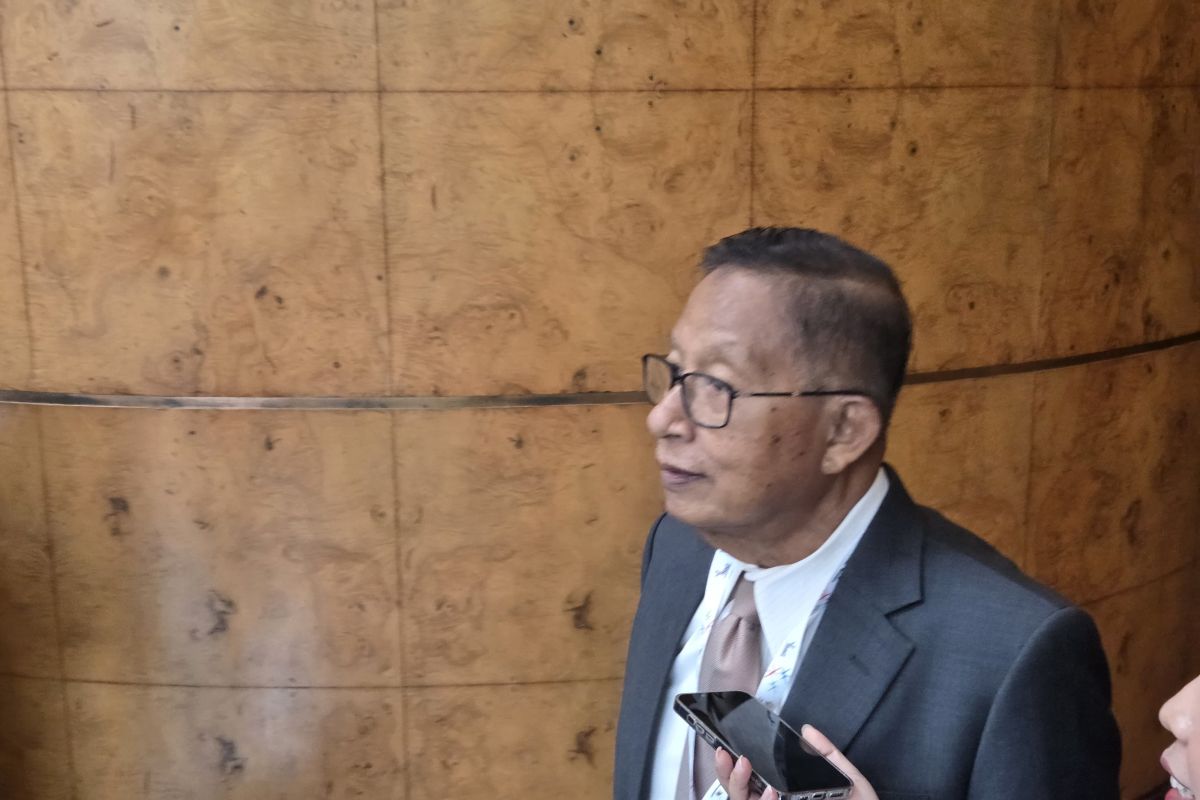
Jakarta (ANTARA) - Coordinating Minister for the Economy from 2015-2019, Darmin Nasution, believes the government needs to make adjustments to the fuel subsidy budget structure amid increasing external pressures.
According to Darmin, the policy of holding subsidised fuel prices steady while global crude oil prices rise has direct implications for the stability of the rupiah exchange rate.
Speaking at the PT SMI 2026 Symposium in Jakarta on Wednesday, he explained that when global oil prices increase while domestic fuel prices are kept unchanged, the government must cover the cost differential through larger subsidies.
This situation increases financing needs, thereby adding further pressure to the rupiah exchange rate against the US dollar.
“This means that if you (the government) keep domestic fuel prices from rising, for example, then the pressure will emerge elsewhere (in the rupiah exchange rate),” he said.
Darmin emphasised that in the current global uncertainty, the government cannot keep all economic indicators optimal simultaneously.
Policies to hold energy prices must be balanced with consequences on other fronts, such as increased fiscal burdens or exchange rate pressures. Therefore, he views adjustments to policies as necessary to prevent these burdens from growing larger.
“So that is a cost that must be borne because you do not want to adjust here (fuel subsidies). There must be an adjustment so that it all goes to the exchange rate,” Darmin clarified.
Meanwhile, the rupiah exchange rate closed weaker on Wednesday’s trading by 38 points or 0.22 percent to Rp17,181 per US dollar from the previous close at Rp17,143 per US dollar.
Currency and commodity economist observer Ibrahim Assuaibi attributed this weakening to uncertainties over the ceasefire between the US and Iran.
“US President Donald Trump said he will extend the ceasefire with Iran indefinitely to allow talks to continue aimed at ending the war that has killed thousands and shaken the global economy,” he said.
The step taken by Trump is seen as unilateral, and it remains unclear whether Iran or Zionist Israel will agree to extend the ceasefire for two weeks as previously agreed.
On the other hand, Trump stated that the US Navy will maintain the blockade of Iranian ports and coasts, which Iranian leaders have called an act of war.