
Dangers of Third-Hand Smoke: Smoking Outside the Home Does Not Necessarily Protect Children
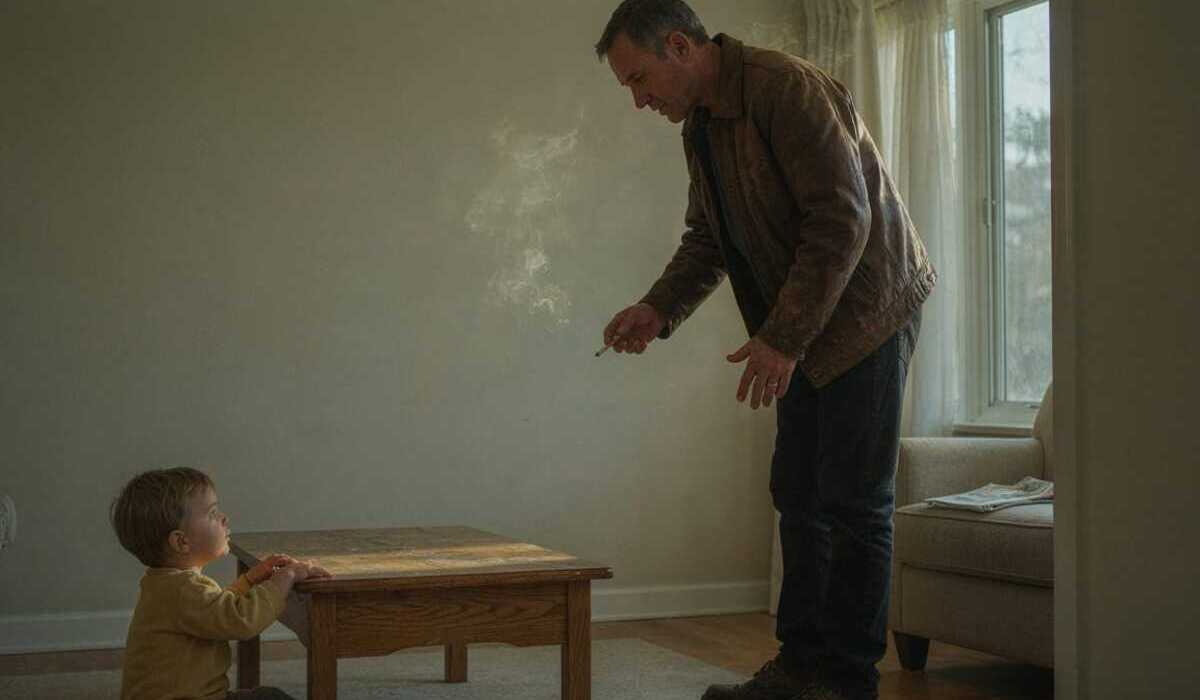
Many smokers choose to smoke outside the home in the belief that this prevents children and other family members from inhaling cigarette smoke directly. While this approach may reduce indoor smoke exposure, the risk from harmful substances in cigarettes does not simply disappear once the smoke clears.
There is a term known as third-hand smoke, or third-hand tobacco smoke exposure. This refers to the residue or leftover chemical substances from cigarette smoke that settle and remain on various surfaces, including clothing, hair, skin, furniture, carpets, dust, and even the interior of vehicles.
The World Health Organization (WHO) explains that third-hand smoke is residue from tobacco smoke and its chemical compounds that can persist on surfaces and in dust for extended periods. This residue can also react with other substances in the environment and form secondary pollutants. WHO highlights that this exposure poses a serious threat, particularly to infants and children.
Children, especially infants and toddlers, face a different exposure risk compared with adults. Their habits of touching various surfaces, crawling on floors, and putting hands or objects into their mouths increase the risk of harmful chemicals entering their bodies.
Research supported by the National Institutes of Health (NIH) shows that children can be exposed to tobacco substances through both second-hand smoke and third-hand smoke residue. The study used cotinine measurements in children’s samples as a marker of nicotine exposure.
This means that the absence of visible cigarette smoke does not automatically mean all residue and harmful substances have disappeared. The habit of smoking outside the home alone does not eliminate the possibility of children coming into contact with residual substances carried on the smoker’s body or clothing.
In addition to third-hand smoke, second-hand smoke exposure has been proven to be highly dangerous. The Centers for Disease Control and Prevention (CDC) states that there is no safe level of tobacco smoke exposure for humans.
In infants and children, tobacco substance exposure can increase the risk of a number of serious health problems. WHO stresses that creating a smoke-free environment is a crucial step to protect children’s health and optimal development.
The most effective way to protect families is to not smoke and to create an environment that is completely free of tobacco products. The CDC emphasises that opening windows or using fans and ventilation cannot fully eliminate tobacco smoke exposure.
For smokers who are trying to quit, it is strongly recommended to seek help from health professionals or smoking cessation services. Reducing exposure to tobacco residue is very important, especially in environments where infants and children are present.
Smoking outside the home does keep direct smoke away, but child protection must be understood more broadly. Because tobacco substances leave residue on objects and skin, creating a 100% smoke-free environment remains the safest choice for family health.