
Dangers of Mixing Fuel and Reducing Octane Levels as Non-Subsidised Fuel Prices Rise
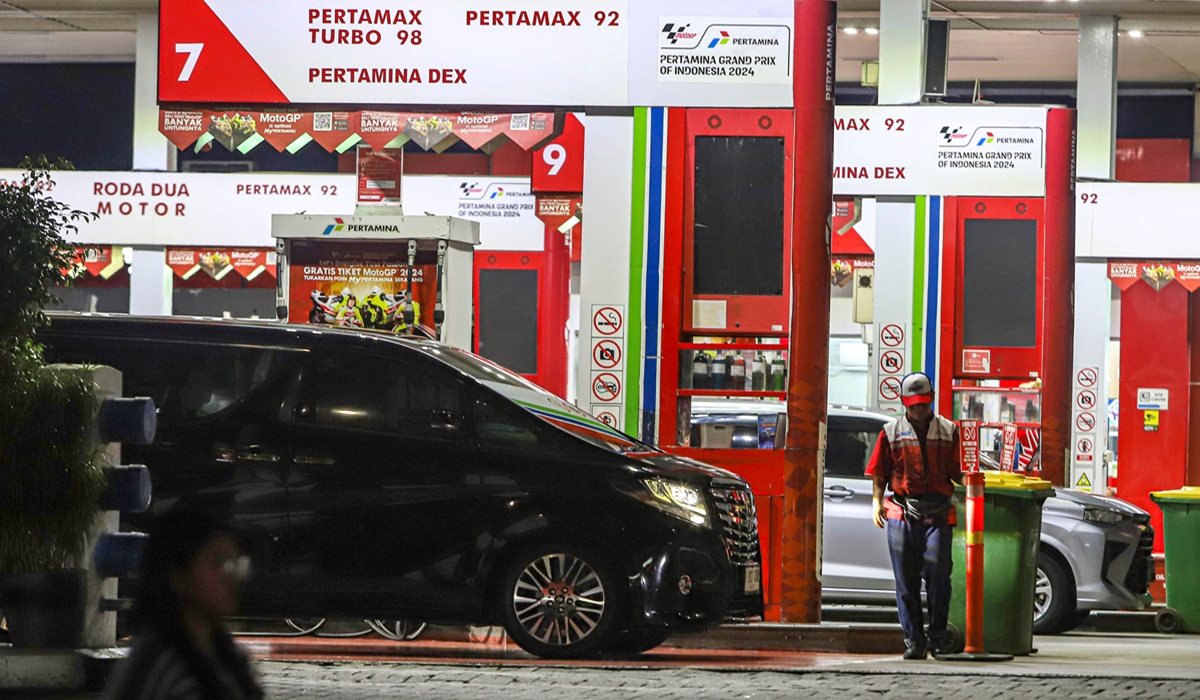
Geopolitical dynamics in the Middle East region are significantly impacting the national energy sector. As of 18 April 2026, PT Pertamina (Persero) has officially adjusted prices for several non-subsidised fuel products. This sharp increase has raised public concerns and prompted some vehicle users to seek savings methods, including reducing octane levels or mixing fuel types.
However, such measures are considered a “time bomb” for vehicle owners. Yannes Martinus Pasaribu, an automotive expert from Institut Teknologi Bandung (ITB), warns that improper cost-saving efforts could result in fatal engine damage.
According to Yannes, suddenly switching from high-octane fuel to a lower octane variant directly affects engine performance. Rather than saving, fuel consumption could become even more inefficient.
“The main risk of switching to a lower octane fuel type in vehicles is excessive engine heat (overheating), a drastic drop in power, and increased fuel consumption,” Yannes stated when contacted in Jakarta.
In the medium term, around 10,000 to 20,000 km, using fuel that does not match specifications will cause carbon deposits to build up in the combustion chamber and injectors. This leads to:
In addition to reducing octane, the practice of mixing two different fuel types, such as Pertamax Turbo with Pertamax, is highly discouraged. Yannes explains that each fuel type has a specific chemical formulation.
“Both fuel types have different compositions of additives, density, and combustion characteristics. Mixing them can result in an unstable octane number,” he clarified. This instability triggers sporadic knocking or irregular engine tapping sounds.
Furthermore, deposits formed from the mixture risk clogging filters and damaging high-pressure injection systems like Common Rail or GDI. Repair costs for these sensitive components are not inexpensive and can reach tens of millions of rupiah.
This price hike targets upper-class non-subsidised fuel groups, while subsidised fuel and Pertamax (RON 92) prices remain stable. Here is the breakdown of fuel price changes in the DKI Jakarta region:
The rise in non-subsidised fuel and LPG prices creates a quite significant price disparity.
PT Pertamina (Persero) has officially raised prices for several non-subsidised fuels sold at petrol stations, effective from 18 April 2026.
Fahmy Radhi, an energy economics expert from Universitas Gadjah Mada, views the non-subsidised fuel price increase as of 18 April 2026 as a reasonable step.