
Dangerous Alarm: Businesses Quietly Cutting Back on Staff
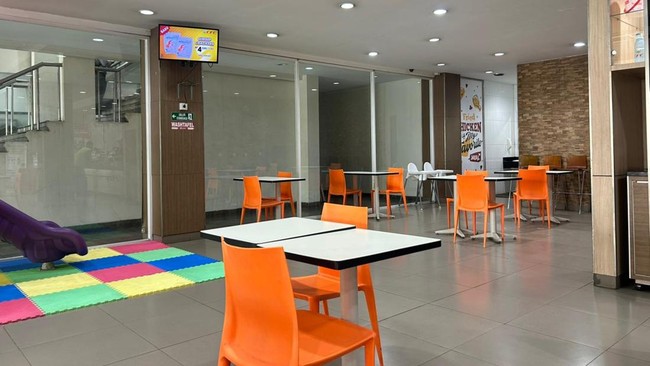
A new phenomenon has emerged in Jakarta that illustrates the sluggish economic conditions. This trend can be observed in food and goods stores. Based on observations on Thursday (2/7/2026), a fast-food outlet in the Blok M area of South Jakarta appeared quiet, with only three tables occupied. The outlet was staffed by just one server, who acted as cashier, food preparer, and server. This single employee was performing multiple roles that could previously have been handled by several staff members.
Moving to a fast-food restaurant near Kemang, South Jakarta, an employee named Adi recounted that the Covid-19 pandemic and a drop in consumer demand have significantly impacted the restaurant’s viability. This is reflected in a policy of workforce efficiency, where the restaurant previously employed six staff per shift but now operates with only two. For the night shift, the restaurant is manned by just one employee. ‘After Corona, the staff was reduced from six to two,’ he said. The employees now multitask, cooking fried chicken, chips, and other fast-food items while simultaneously acting as cashiers and delivering orders to customers. Despite the increased workload, Adi noted his salary remains the same as before the efficiency measures were implemented. He believes the staff reduction is in line with the decline in product sales, noting that customer traffic is generally low and the restaurant is only busy when located in public areas like train stations or rest areas.
The phenomenon of staff reduction is not limited to fast-food restaurants. It is also occurring in furniture stores, where employees are seen hauling and arranging furniture, while also serving as sales assistants for visiting customers. Some even check the condition of goods and carry out repairs on damaged items. Consequently, the majority of these furniture workers are multitasking. This situation is closely linked to a recent decline in furniture sales, prompting many stores to implement operational and workforce efficiencies.