
Dance Artists Highlight Space Crisis as Jakarta Culture Agency Responds
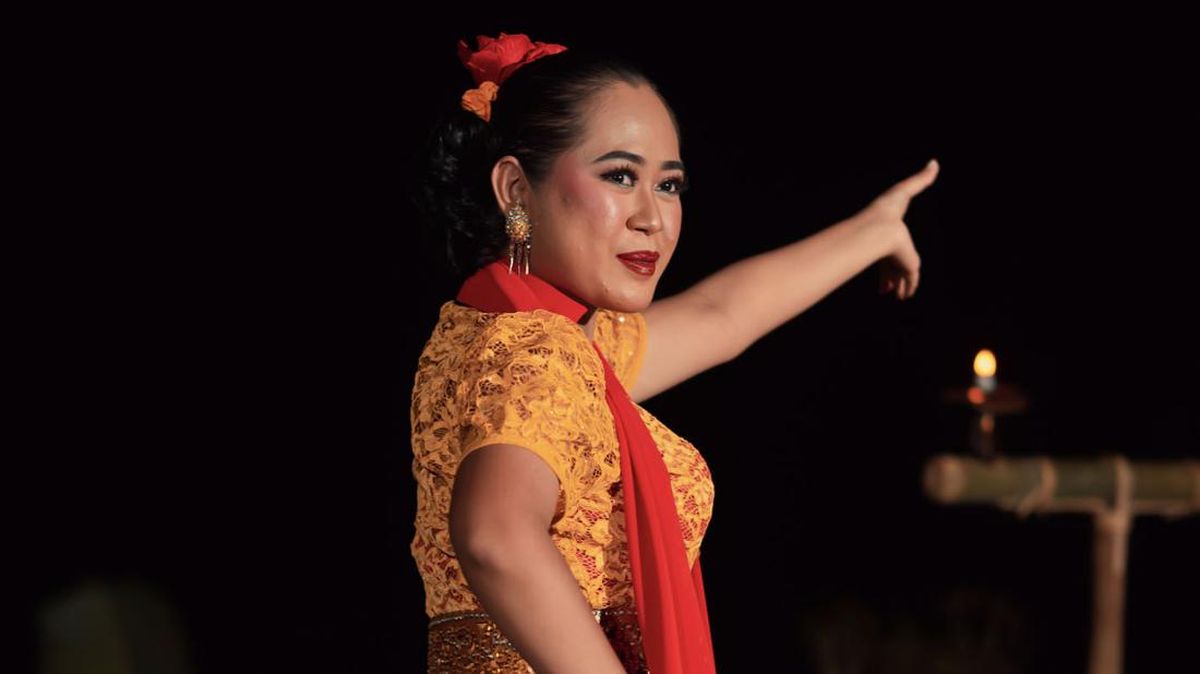
Jakarta’s Culture Agency (Disbud) has pledged to pay greater attention to and facilitate the development of the arts ecosystem after receiving a range of concerns from dance practitioners last September.
Arista Nurbaya, head of cultural development at the Jakarta Culture Agency, said feedback from arts practitioners was a serious concern for the Jakarta administration. The issues included a shortage of rehearsal space, limited operating funds for studios and the need to develop the next generation of artists.
“The Jakarta Provincial Culture Agency is currently focused on traditional arts, but we recognise that other art forms must also continue to receive attention and support. This includes empowering dance practitioners in Jakarta and surrounding areas and upgrading their facilities,” Arista said on Wednesday (23 September).
Arista made the remarks at a focus group discussion organised by the Dance Committee of the Jakarta Arts Council (DKJ) and the Research and Community Service Information Base (BIMA) team at Taman Ismail Marzuki (TIM).
Agustina Rochyanti, representing the Indonesian Dance Artists Association (ASETI), said public facilities were often provided on the basis of an overly broad definition of space that failed to account for the needs of different art forms. Dance artists, she said, needed purpose-built dance studios, not just any available room.
“Do dance artists in general only need a ‘space’, meaning the studio could be a performing arts venue used by practitioners from all disciplines? Or do we specifically need a dance studio? This matters because those are two different kinds of space,” Agustina said.
Dr Genoveva Noirury Nostalgia, representing the Padnecwara dance group, stressed the need for reliable facilities for two vital stages of artistic work: spaces for practice and development, and stages for performances.
Digitalisation challenges
The BIMA research team said many studio activities were forced to rely on sheer determination, without the support of a sound economic structure.
It added that a lack of visual documentation archives and digital portfolios widened the gap, making it harder for studios to attract sponsors and reach audiences from Generations Z and Alpha.
“We hope that whatever policies are eventually adopted—whether subsidies for rehearsal spaces or easier access to performance stages—they will be concrete decisions that provide lasting benefits for Jakarta’s dance ecosystem,” the research team said.
Source: jawawa.id (https://jawawa.id/newsitem/dance-artists-highlight-space-crisis-as-jakarta-culture-agency-responds-1791701460)
Originally published by CNN Indonesia (https://www.cnnindonesia.com/nasional/20261011124114-20-1414053/seniman-tari-ungkap-krisis-ruang-disbud-dki-jakarta-buka-suara), translated from Indonesian