
Danantara's Role as a Driver of Indonesia's Technological Revival
Mastering technology and developing human resources present a major opportunity for Indonesia to optimise its natural resource wealth while improving its position in the global industrial value chain. This transformation is needed so that Indonesia can produce high-value-added materials and technology products that strengthen national industry while delivering broader benefits to society.
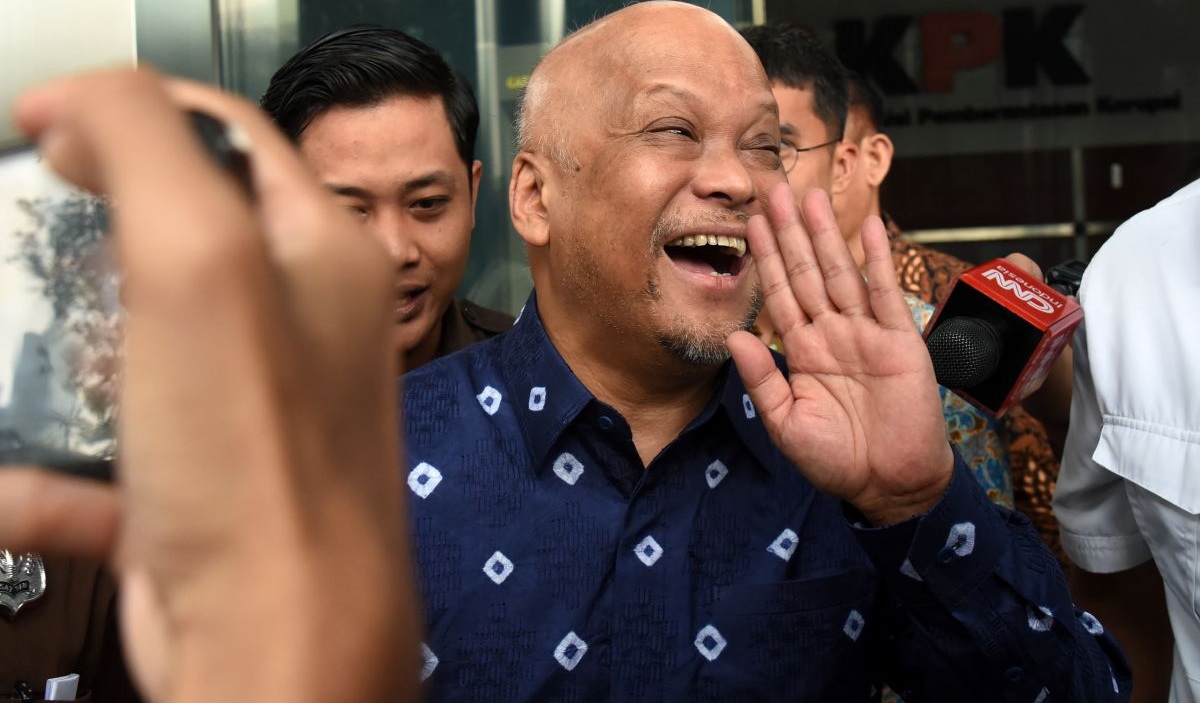
“Technology development must go hand in hand with improving the quality of human resources. With stronger human resources, Indonesia will have the ability to develop technology independently and not remain dependent on products and knowledge from other countries,” said Ilham Habibie, a technocrat and eldest son of Indonesia’s third president, BJ Habibie.
Ilham stressed that no country can become advanced by relying solely on natural resource wealth. Indonesia needs to shift its development orientation from a resource-based country to one with a strong industrial and technological base.
“Industry ultimately depends heavily on a country’s ability to apply, institutionalise and master technology. If we cannot apply, institutionalise and master technology, we will not become a developed country,” Ilham said.
According to data from the Ministry of Energy and Mineral Resources, Indonesia has the world’s largest nickel and tin reserves, and ranks among the top ten globally for bauxite, coal, gold and copper. However, this mineral wealth has not automatically placed Indonesia in a strong position in the advanced materials value chain.
Strengthening technological mastery, industry and human resource quality is needed so that natural resources can be processed into high-value-added products, create quality jobs and strengthen national industrial self-reliance.
Ahead of the 81st anniversary of the Republic of Indonesia, this momentum is being used to drive national industrial transformation through technological mastery in order to safeguard national sovereignty. In this context, Danantara Indonesia acts as an enabler by strengthening the industrial ecosystem through collaboration between government, state-owned enterprises, industry and academia.
“We agree that it is time for Indonesia to move up the advanced materials value chain. Indonesia is blessed with extraordinary mineral wealth, from nickel, bauxite, copper and tin to rare earths. These materials form the foundation of future technologies, such as electric vehicle batteries, semiconductors, defence and clean energy,” said Danantara CEO Rosan Roeslani.
Rosan lamented that for decades Indonesia has often stopped at the extraction stage: exporting raw materials, then buying back finished products at far higher prices.
Danantara’s investment approach is not only oriented towards creating economic value, but also towards tangible impact for society. Long-term investment is directed at creating domestic added value, opening quality jobs and strengthening national industrial capability. “This is Danantara’s commitment to ensuring investment creates value for the nation,” Rosan said.
This vision is beginning to be translated into various forms of cross-industry collaboration to ensure technology and market development proceed in tandem. One example is the Advanced Materials Industry Dialogue, which promotes the integrated development of advanced materials.
These efforts are reinforced through the signing of a critical mineral downstreaming cooperation agreement between Mind Id, LEN, Krakatau Steel and Perminas. This cooperation serves as an initial example of building supply-offtake and joint technology development to support national strategic industrial needs.
“Our concept in inviting investment partners is not only about cost and time, but also industrial development. We want technology transfer, co-development, and the involvement of universities and research institutions such as BRIN, so that further development can ultimately belong to Indonesia,” said Ardy.