
Danantara Works on 26 Downstreaming Projects Worth Rp225 Trillion, Absorbing 37,833 Workers
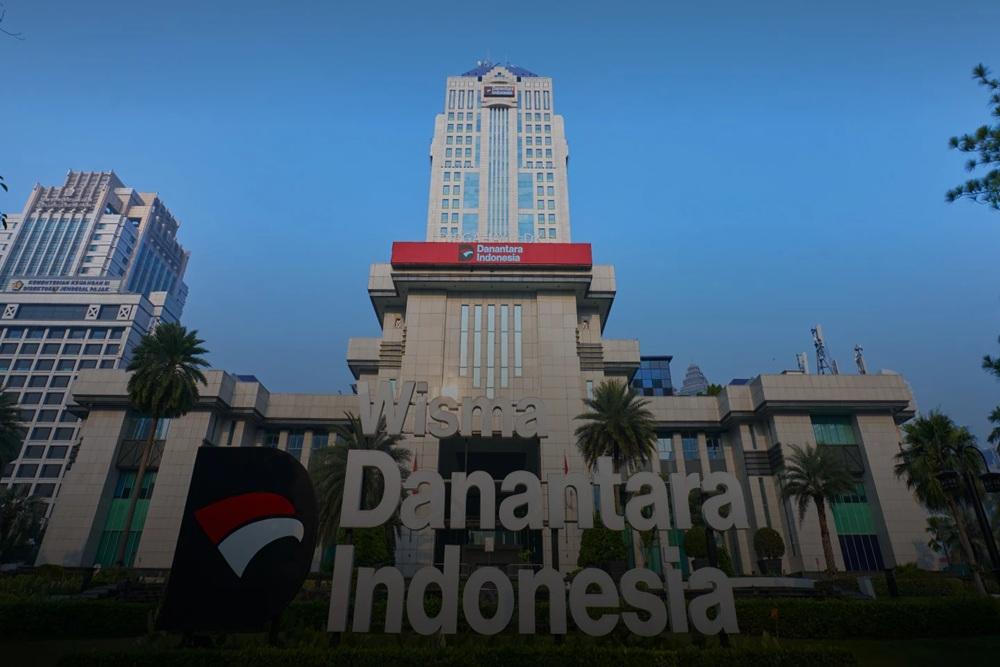
The Daya Anagata Nusantara Investment Management Agency (Danantara) is currently working on 26 strategic national downstreaming projects with a total investment value of Rp225 trillion. The projects, spread from Sumatra to Papua, are expected to absorb 37,833 direct workers.
Danantara is executing all projects in stages since the beginning of 2026, as part of the government’s major agenda to downstream natural resources. The first phase commenced on 6 February 2026 with the groundbreaking of six priority projects across 13 locations, involving an investment of Rp109 trillion and a potential workforce of 11,456 people. Key projects in this phase include an alumina smelter in Mempawah, West Kalimantan, a bio-aviation fuel facility in Cilacap, Central Java, and a bioethanol plant in Banyuwangi, East Java.
The second phase followed on 29 April 2026, covering 10 priority projects in 13 different locations. This phase carries a larger investment value of Rp116 trillion, with the potential to employ 26,377 workers.
In terms of scope, the 26 downstreaming projects span multiple sectors. In mining, Danantara is developing aluminium, stainless steel, and copper smelters. In the energy and bioenergy sector, projects include the production of bio-aviation fuel from used cooking oil and sugarcane-based bioethanol. In the plantation and regional commodity sector, the focus is on processing local produce to achieve higher added value. The geographical spread of the projects, from Sumatra to Papua, underscores that downstreaming is not concentrated solely on Java.
The impact of these projects is considered tangible for regional economies. The presence of smelters and processing facilities in raw material-producing areas directly creates local employment. Furthermore, production activities stimulate the surrounding economy through multiplier effects, ranging from raw material supply chains to supporting services. Crucially, the added value of these commodities is now captured domestically, rather than being exported in raw form as in the past.
Danantara’s Chief Operating Officer and Head of the State-Owned Enterprises Supervisory Board, Dony Oskaria, stressed that downstreaming must not stop at investment figures. ‘Downstreaming must provide real benefits to the national economy, not just in terms of investment, but also in its impact on society,’ he said.
For investors, this series of projects signals the consistency of the downstreaming policy direction initiated by President Prabowo Subianto. Danantara has affirmed its commitment to building an investment ecosystem that involves both state-owned enterprises and the private sector in tandem. This scheme also opens opportunities for MSMEs and local tenants to enter the downstreaming industry supply chain, rather than merely being spectators to trillion-rupiah investment activities.
Ultimately, the realisation of these 26 downstreaming projects is not viewed merely as a short-term investment achievement. Danantara positions it as part of a structural transformation of the national economy, shifting from reliance on raw material exports to a high-value-added economy. The welfare of communities surrounding the project sites is set as a key indicator to measure the programme’s future success, and whether the trillions of rupiah disbursed are truly felt.