
Danantara: Under-Invoicing Using Shell Companies, Funds Parked Abroad
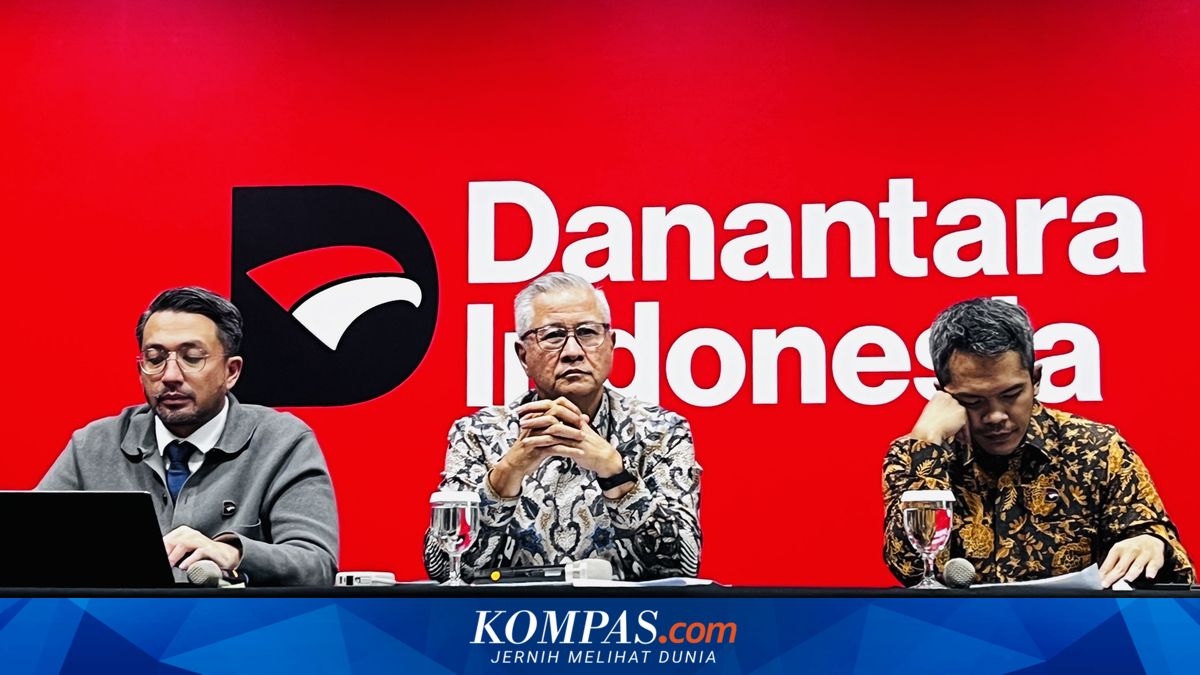
Jakarta — The Danantara Investment Management Agency (BPI Danantara) says the under-invoicing modus operandi allegedly uses shell companies to park money overseas. Under-invoicing refers to fraud in export-import activities by manipulating data so that state revenues are smaller. Rohan Nafas, Managing Director, Stakeholders Management & Communications at the Danantara Investment Management Agency (BPI Danantara), said at a press conference at the Danantara Building in Jakarta on Wednesday (20 May 2026) that in the sale, exporters and buyers abroad appear to agree that the related commodity is valued cheaply. “The buyer and seller are the same, isn’t it? Under-invoicing means agreeing on a price put below the market value,” Nafas said. However, the export transactions recorded in Indonesia were found not to correspond with reality because data in other countries differed. Not only that, the government also suspects that the under-invoicing practice uses shell (cangkang) companies owned by the exporters themselves as buyers in other countries. “But what is suspected in the foreign countries is that the payments are also from their shell (cangkang) company,” he said. After that, the commodities exported from Indonesia are sold in free markets in various countries. However, the money from the sales did not return to the homeland but was parked overseas. “You get the sales proceeds, right? Parking the money overseas never comes back, whereas that is the foreign exchange that the country hopes for,” Nafas said. Referring to data presented by President Prabowo Subianto, the alleged under-invoicing practice has been going on for 34 years with a state loss of Rp 15,400 trillion. Consequently, foreign exchange and the amount of foreign currency in the country are limited, making it difficult for the state to intervene in supply and demand. “That’s just the under-pricing that doesn’t return. The principal sale proceeds are parked overseas,” Nafas said. To address this issue, the government has formed a new state-owned enterprise, PT Danantara Sumber Daya Indonesia (DSI).