
Danantara to Sign Waste-to-Electricity Project with 11 Regional Governments Next Week
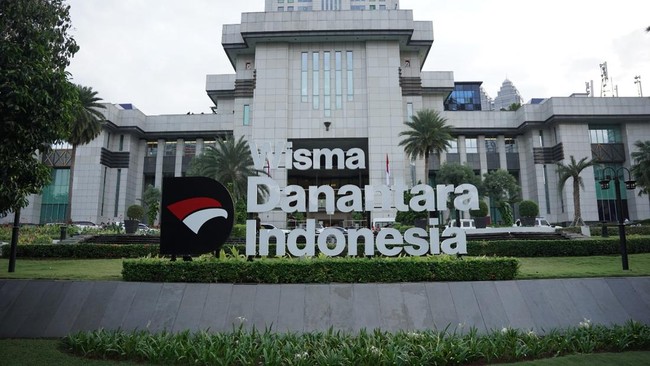
The waste problem in Indonesia will be addressed through the Waste Processing into Electricity (PSEL) project. Following collaboration with the DKI Jakarta Provincial Government, the Nusantara Future Power Investment Management Agency (BPI Danantara) will partner with 11 other regional governments next week.
“Next week there will be the second batch, we will have 11 provinces,” he said during the PSEL MoU signing event between Danantara and the regional government at Graha Mandiri in Jakarta on Monday (4/5/2026).
The man familiarly known as Zulhas explained that after the agreement with the DKI Jakarta regional government carried out today, next week it will be conducted with 11 regional governments including Yogyakarta, Lampung, Serang, Semarang, Surabaya, Bekasi, Medan, Tangerang, and Greater Bogor.
“The one that is almost ready is Palembang city, but using Perpres 35 which we will later combine into 109. Then the new ones to be prepared, there are four more: Pekalongan, Greater Tegal, Bandar Regency, and Karawang Regency,” he added.
For information, Danantara today partnered with the DKI Jakarta Provincial Government to develop the PSEL project. This is in connection with the waste problem in Jakarta city which has reached emergency status and received special attention from Indonesian President Prabowo Subianto.
“Even Jakarta has received special attention from Mr President. We almost, if a few weeks ago, almost every week got a call about waste, especially Bantar Gebang,” he said.
Zulhas stated that within six months since the presidential regulation was enacted, there are already three construction sites, namely Bandung, Bali, and Bogor. “One using Perpres (Number) 35 in South Sumatra, will be completed in October,” he added.
He further mentioned that there are 14 more locations that have been decided, and 5 locations that have not yet. These PSEL locations cover nearly 71 districts and cities.
“Acceleration in 6 months. Previously 11 years, now we will complete 71 districts and cities which consist of approximately 22 agglomerations,” he concluded.