
Danantara: Technology roadmaps must translate into impactful investment
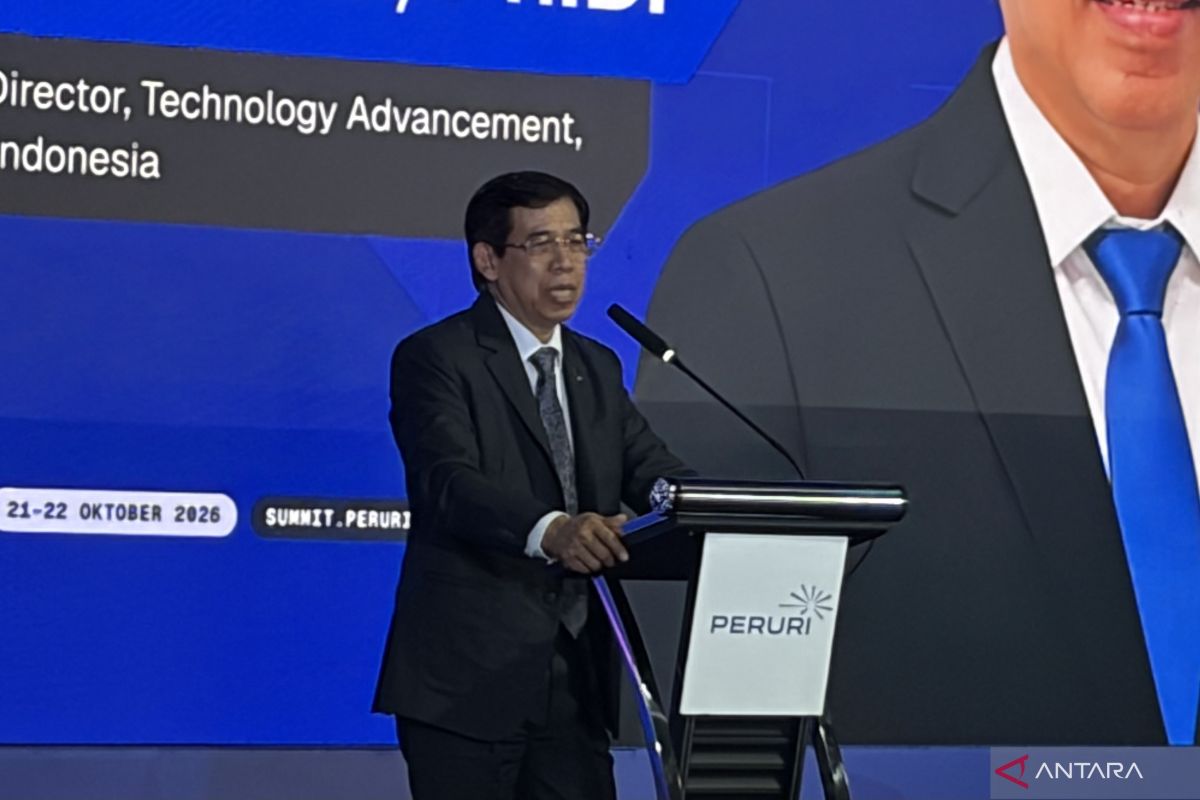
Indonesia does not lack technology roadmaps; what it needs is not merely a roadmap, but a way to turn it into investment that can grow, attract users, scale up, remain commercially viable and benefit the nation and state.
Jakarta (ANTARA) — Danantara Indonesia believes Indonesia must be able to transform roadmaps for technology development and digital talent into impactful and sustainable investment.
“Indonesia does not lack technology roadmaps; what we need is not just a roadmap, but to turn it into investment that can grow, attract users, scale up, be commercially viable and benefit the nation and state,” said Dwi Susanto, Managing Director of Technology Advancement at Danantara Indonesia, in Jakarta on Wednesday.
Dwi said the government and state-owned enterprises (SOEs) had an important role to play in developing the domestic technology industry.
He said this was in line with the substantial demand from the government and SOEs as they provide services to the public, from issuing documents requiring chips, such as electronic identity cards and passports, to other public services including electricity, telecommunications and banking.
“If the government’s and SOEs’ needs are directed accordingly, they can become the first buyers of technology made in Indonesia. This is what Danantara wants to orchestrate, together with the relevant ministries and agencies, and the private sector can of course be involved as well,” Dwi said.
He added that this was also relevant to the use of trusted and responsible artificial intelligence (AI), as well as post-quantum security.
“Trusted AI is already being used in public services, healthcare and finance. Demand for post-quantum security will certainly come, because global standards have already been set,” Dwi said.
He also highlighted the opportunities available to Indonesian digital talent in the semiconductor industry, particularly in chip design.
“So, what about semiconductors? We have chosen to enter through a door that is already open: chip design. This does not require investment worth billions of dollars, but it does require us to develop talent,” Dwi said.
Danantara, in partnership with Arm and the Ministry of Higher Education, Science and Technology (Kemdiktisaintek), and with support from the Coordinating Ministry for Economic Affairs, launched the first cohort of an Arm training programme in the middle of this year. The launch marked an important milestone in developing Indonesia’s semiconductor capabilities.
The intensive training marks the start of a broader strategic initiative to train up to 15,000 Indonesians in chip design through the Arm ecosystem.
“We hope these young people will be able to develop chips that meet our own needs, including secure identity systems, healthcare devices and connectivity,” Dwi said.