
Danantara Studies Two Textile Investment Options to Create Jobs
Jakarta (ANTARA) – Indonesia’s Daya Anagata Nusantara Investment Management Agency (Danantara) is considering two options for investing in the textile industry: acquiring an existing company or building a new factory to expand employment opportunities.
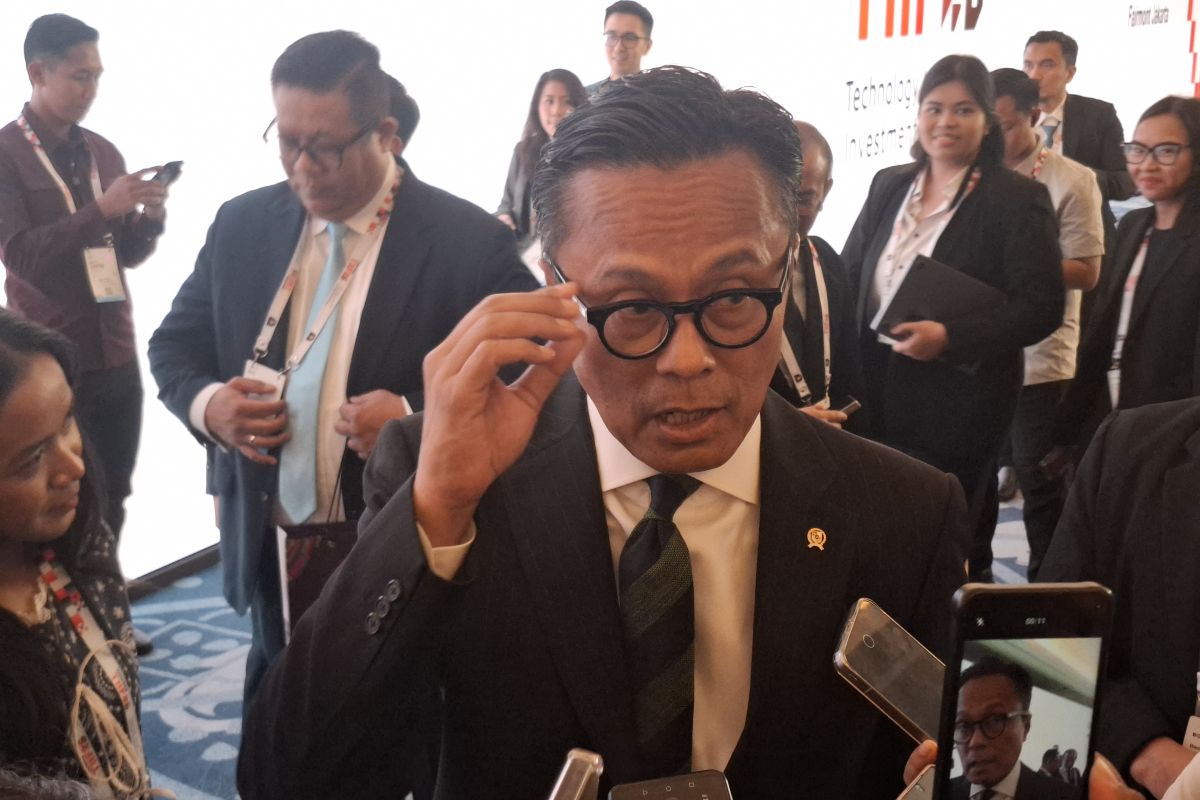
Danantara Chief Operating Officer Dony Oskaria outlined the plan after a presentation at the Danantara Technology Innovation Investment Forum (DTIIF) 2026 in Jakarta on Monday.
“Basically, when establishing a company, we can either acquire one or build one from scratch,” Dony said.
He said an acquisition could involve an existing company, including one facing financial difficulties and at risk of cutting jobs if it stopped production.
He added that any takeover would need to be accompanied by changes to the business model to make operations healthier and more sustainable.
Building a new factory is another option still under consideration to strengthen national textile production capacity.
Asked about a possible takeover of PT Sri Rejeki Isman Tbk (Sritex), Dony did not confirm whether the company would be acquired, saying the evaluation was still under way.
“We are conducting an evaluation. Hopefully, we will make progress. You will see; everything will be transparent,” he said.
Dony said employment would be one of Danantara’s main considerations when deciding on investments in labour-intensive industries.
“That is why Danantara is serious about entering this sector,” he said.
In addition to textiles, Danantara is targeting the footwear and electronics industries, which it considers capable of creating many jobs and benefiting the national economy.
Dony said textile industry development would not focus solely on finished goods, but would also strengthen upstream and intermediate-stage activities.
“When we begin, our involvement in textiles will not be limited to downstream production; it will cover the upstream, midstream and downstream,” he said.
He said developing the entire industrial chain was necessary to strengthen domestic production capabilities and make use of the domestic market, which he said had nearly 300 million people. However, Dony has not set an investment amount.
“The amount will depend on what is needed when we begin developing the textile industry,” he said.
Earlier, Industry Minister Muhammad Sarmuji said on 24 October 2026 that the Industry Ministry was still coordinating with Danantara on plans to establish a state-owned textile company, including the possibility of taking over a company that had ceased production.
Sarmuji stressed that developing the industry would require modernising machinery and adopting the latest production technologies so companies could improve productivity and compete in global markets.
Industry Ministry data show that employment in the textile and textile products (TPT) industry is targeted to rise from 3.95 million people in 2026 to 4.07 million in 2029, an increase of about 120,000.
The ministry also recorded year-on-year growth of 6.36 per cent in the textile and apparel industry in the second quarter of 2026, while leather goods and footwear grew by 11.30 per cent over the same period.
The textile and apparel industry’s exports reached US$7.18 billion, or about Rp129.74 trillion, between January and July 2026.