
Danantara Sets Five New Standards for Strategic Investment in Indonesia
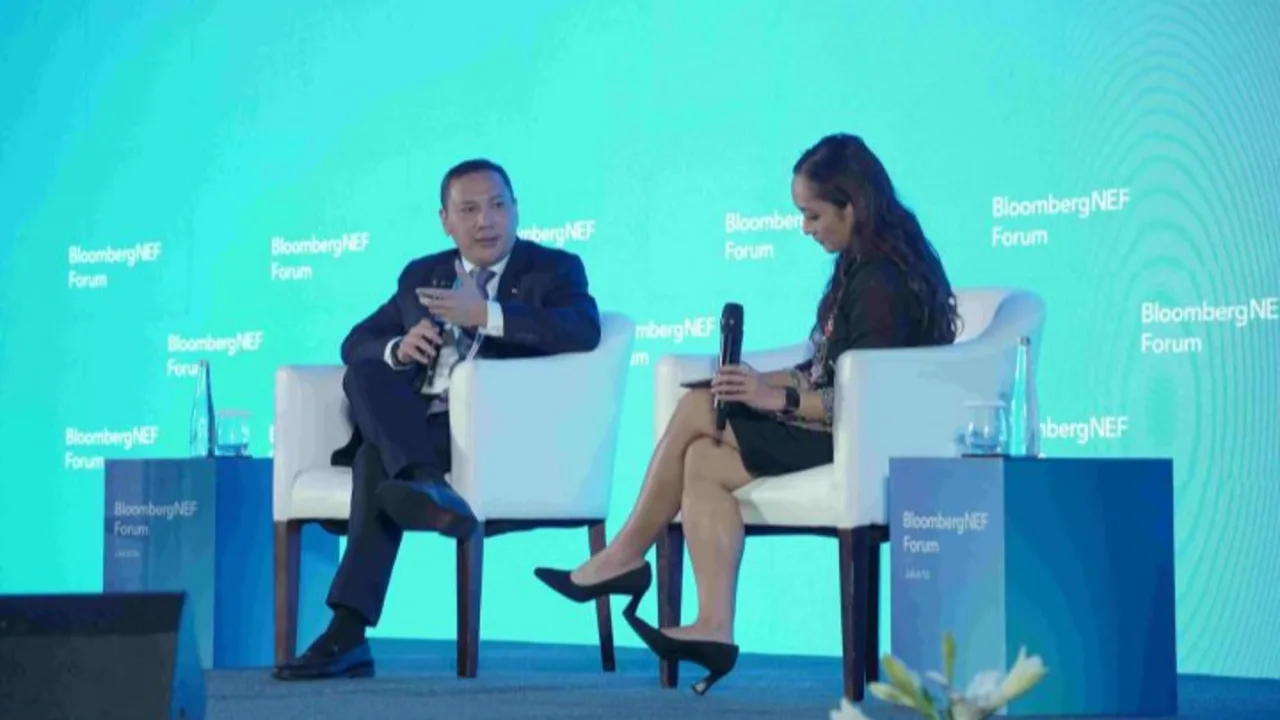
Danantara Indonesia, through PT Danantara Development Management Fund (DDMF), has introduced a new approach to evaluating strategic investment in Indonesia. Assessments of development projects will no longer focus solely on financial returns, but will also consider their impact on national economic growth and resilience over the long term.
M. Rachmat Kaimuddin, Managing Director of Development Investment at DDMF, said the success of development investment should be measured using a wider set of indicators. The approach is intended to ensure that each project makes a tangible contribution to productivity, job creation and the strengthening of Indonesia’s economic structure.
“Development investment cannot be assessed solely by its financial returns. The measures must include additional production capacity, quality jobs, stronger industries and innovation, a more equitable distribution of benefits between regions, and long-term economic resilience,” Rachmat said in an official statement on Friday (16 October 2026).
Rachmat said the shift in investment approach was important because some strategic sectors take relatively long to generate commercial returns. However, the economic benefits they create can be felt widely by the public and businesses.
Infrastructure, industrial downstreaming, energy, food security and education are examples of development sectors that often face financial viability constraints at the outset, despite their potential to make a significant contribution to the national economy.
Danantara’s five new investment assessment standards
Under the evaluation framework developed by DDMF, five main indicators will be used to measure the success of development investment. These aspects will be considered when determining a project’s strategic benefits to Indonesia’s economy.
Increased production capacity. Investment is expected to expand national production capabilities, whether through new facilities, improved infrastructure or the development of higher-value industries.
Creation of quality jobs. Development projects will be assessed on their contribution to productive employment, while supporting improvements in skills and the quality of human resources.
Stronger industries and innovation. Investment should promote domestic industry, technological mastery, greater innovative capacity and stronger supply chains.
A more equitable distribution of benefits between regions. Development should not be concentrated in particular areas, but should also expand economic activity and business opportunities across different regions.
Long-term economic resilience. Investment projects should help strengthen the foundations of the national economy, including its capacity to withstand changing economic conditions and future development challenges.
The five indicators broaden the measures of investment success, which have often been associated with the amount of capital invested and the rate of financial return.
With this approach, DDMF aims to ensure that investment funds not only benefit investors, but also generate sustainable economic value.
Danantara promotes financing for national strategic projects
As an institution with an investment mandate in National Strategic Projects (PSN), DDMF plays a role in matching development financing needs with sources of long-term capital.
One instrument it uses is catalytic capital: financing designed to improve a project’s viability while attracting participation from other investors.
Through this mechanism, DDMF encourages collaboration among the government, state-owned enterprises (SOEs), the private sector and institutional investors in supporting development projects.
Catalytic capital is intended to reduce investment risks, increase project readiness before commercial financing, and create opportunities to bring in additional funding.
This is important because strategic projects with significant economic benefits may not offer investors attractive returns during their early stages.
At the same time, infrastructure development and industrial growth can generate wider benefits, including improved connectivity, technology transfer, more efficient production and new economic activity.
DDMF also considers macroeconomic stability in its financing management, so that strategic investment does not put pressure on the national economy.
Developing a model to measure investment impacts
To support the implementation of these assessment standards, DDMF is developing a system called the Danantara Dynamic Modelling Framework.
The framework uses a Financial Computable General Equilibrium approach, which enables analysis of the relationships between different economic sectors and the impacts of investment over different time periods.
The modelling allows DDMF to map the potential effects of development projects on a range of economic indicators, from national income, job creation and state revenue to financing needs and structure.
The use of structural economic modelling is also intended to provide a more comprehensive picture of investment impacts, including indirect benefits arising through links between industries.
Project assessments will therefore consider not only projected cash flows or rates of return, but also the changes in economic activity triggered by the investment.
Investment evaluation takes place in three stages
DDMF applies an evaluation approach covering three time horizons to ensure development impacts can be assessed more comprehensively.
The first stage is short-term outputs, covering the direct results of investment, such as the construction of facilities, provision of infrastructure and expansion of operational capacity.
The second stage covers medium-term outcomes: economic changes that emerge once a project begins operating. These may include higher productivity, job creation, stronger supply chains and the adoption of new technologies.
The third stage concerns long-term impacts, focusing on investment’s contribution to economic transformation, more balanced development, greater innovative capacity and national economic resilience.
In addition to economic indicators, DDMF also considers resource-use efficiency and emissions reduction when assessing development benefits.
The approach is expected to provide a more measurable basis for investment decisions, particularly for strategic projects that require substantial funding and have long payback periods.
By applying its five main indicators and developing an economic modelling framework, Danantara aims to position development investment as a means of strengthening industrial capacity, expanding employment opportunities and supporting sustainable economic growth in Indonesia.
Source: jawawa.id (https://jawawa.id/newsitem/danantara-sets-five-new-standards-for-strategic-investment-in-indonesia-1792180242)
Originally published by topik.id (https://www.topik.id/danantara-tetapkan-5-standar-baru-untuk-investasi-strategis-di-indonesia), translated from Indonesian