
Danantara Reveals Telkom Profits Could Rise by 30% Due to Strategic Restructuring
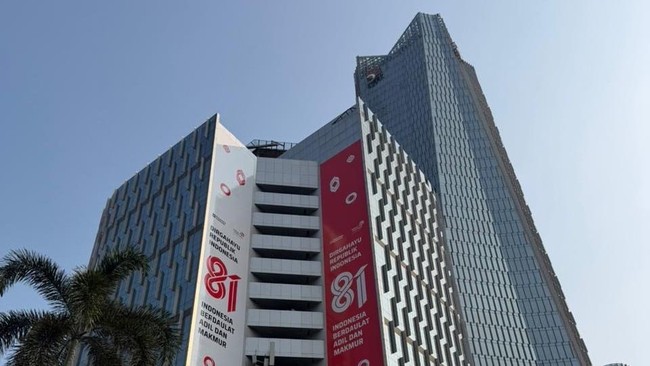
The State-Owned Enterprise Regulatory Body and Danantara Indonesia are pushing for the accelerated transformation of PT Telkom Indonesia (Persero) Tbk (TLKM) by streamlining its subsidiaries to create a simpler, more efficient, and focused business structure.
Dony Oskaria, Head of the SOE Regulatory Body and COO of Danantara Indonesia, believes this move has the potential to increase Telkom’s profits by at least 30%. “I am confident that once this streamlining is complete, Telkom’s profits will increase by at least 30%,” Dony stated, as reported via the official @bumn_id Instagram account on Friday (11/09/2026).
In this transformation process, Telkom has also accounted for various implications, including cut losses and write-offs resulting from the subsidiary streamlining. When asked about the value of these cut losses and write-offs, Telkom management noted that the total cut loss, including all implications, reaches Rp17 trillion.
Telkom’s President Director, Dian Siswarini, stated that the streamlining will also target several subsidiaries under the Business-to-Business Information and Communication Technology (B2B ICT) segment. “Under B2B ICT, those that will undergo streamlining include PINS, Telkom SIGMA, Infomedia, and others,” said Dian.
Furthermore, Telkom’s transformation is directed towards strengthening the company’s position as a strategic holding company focused on connectivity and digital infrastructure. With a simpler structure, the company is expected to achieve healthier cash flows, more efficient costs, and the ability to provide even better services to the public.
The streamlining of subsidiaries is part of Telkom’s transformation agenda to simplify its structure and improve business management effectiveness. This process is expected to allow Telkom to focus more on its core business while strengthening the company’s operational efficiency.
As information, Telkom aims to reduce the number of its subsidiaries from 68 entities down to 18.
In addition to reducing subsidiaries, TLKM is also strengthening its capital allocation. During the first half of 2026, more than 94% of capital expenditure has been allocated to core B2C businesses and B2B infrastructure.