
Danantara Requests All Non-Listed SOEs to Postpone Shareholder Meetings
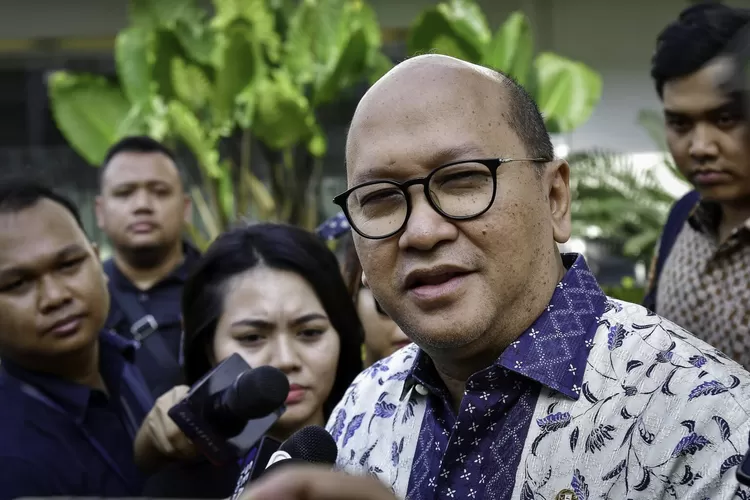
JAKARTA — The Investment Management Agency (BPI) Daya Anagata Nusantara, known as Danantara, has requested all non-listed State-Owned Enterprises (SOEs) to postpone their General Meetings of Shareholders (RUPS) and other corporate actions. The move is intended to support a comprehensive evaluation process of the performance and management structures of state-owned companies.
The request was outlined in an official Danantara circular letter numbered S-027/DI-BP/V/2025, issued on 5 May 2025. This was conveyed directly by Danantara CEO Rosan Roeslani after meeting President Prabowo Subianto at the Presidential Palace in Jakarta on Wednesday (8/5).
“The President has asked Danantara to conduct evaluations and assessments of all SOEs. Therefore, major decisions such as shareholder meetings and corporate actions need to be temporarily postponed until the process is complete,” said Rosan.
He explained that the evaluation aims to ensure SOE boards of directors and management are filled by the best possible candidates. “President Prabowo wants SOE leaders to be the ‘best brain’ and ‘best talent’ based on a meritocratic system,” Rosan elaborated.
Furthermore, Rosan noted that the President also emphasised the importance of nationalism in selecting SOE leaders. “If one loves their country, they will naturally not engage in negative acts such as corruption. That is the value the President has stressed,” he added.
Nevertheless, Rosan affirmed that the directive to postpone shareholder meetings is not solely related to the selection of directors. The primary objective is to ensure all SOE operations run efficiently and are aligned with Danantara’s vision of value creation.
“This step is important for creating value and improving efficiency as well as corporate governance,” he added.
Meanwhile, SOE analyst from the University of Indonesia, Toto Pranoto, assessed Danantara’s move as positive, given that the institution is still in a transitional period of management.