
Danantara prioritises investment returns and strategic impact
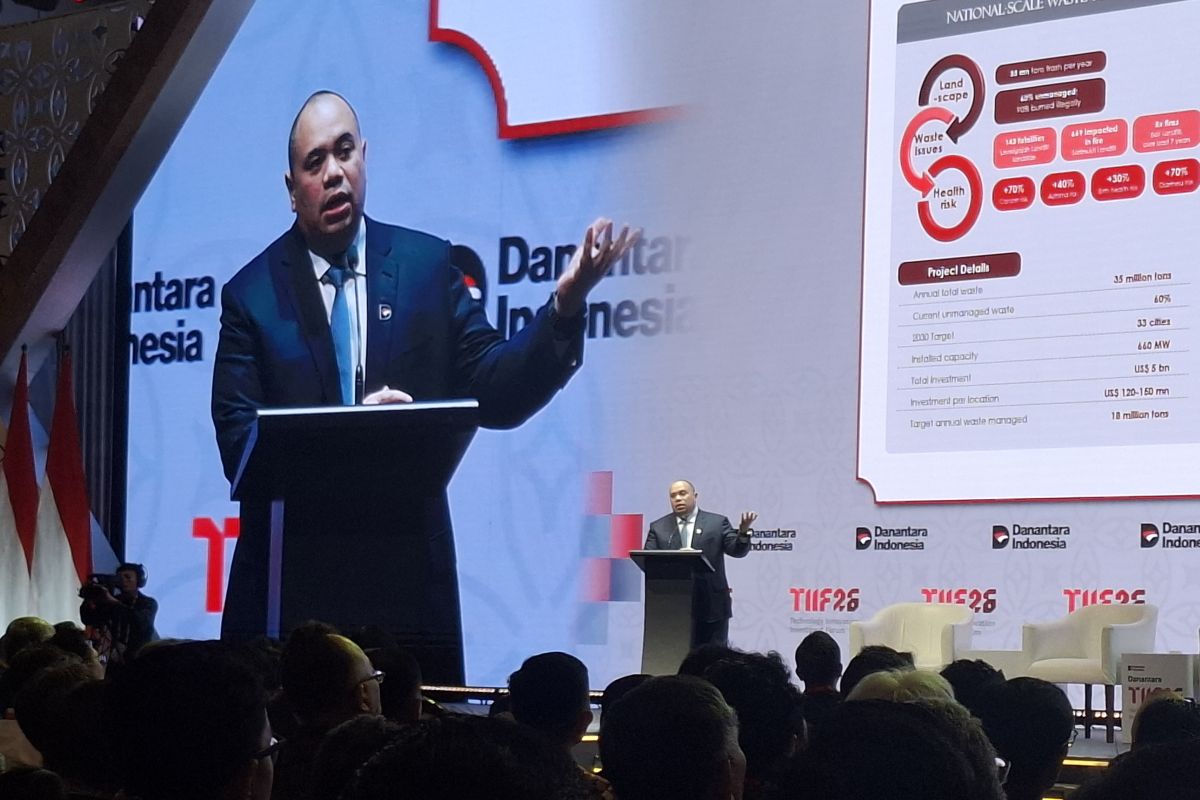
“We want to ensure that investments create long-term value while supporting the development of strategic sectors.”
Jakarta (ANTARA) — The Danantara Investment Management Agency (BPI) says investment returns and strategic impact are its main priorities in managing investments.
Danantara Indonesia Chief Investment Officer Pandu Patria Sjahrir, in a press statement cited in Jakarta on Wednesday, highlighted the importance of investments that balance commercial returns with strategic impact.
Pandu said layered risk management and financial discipline were needed to ensure investments remained sustainable while supporting the economic development agenda.
“Every investment needs to take account of its commercial returns and strategic impact, while maintaining risk management and financial discipline. We want to ensure that investments create long-term value while supporting the development of Indonesia’s strategic sectors,” Pandu said.
Pandu outlined several strategic projects, including a waste-to-energy project valued at around US$1.5 billion.
Bond issuance for the project drew demand nearly four times the amount on offer, with around 75 per cent of total demand coming from investors in the United States and Europe.
According to Pandu, the strong interest reflects global investors’ confidence in the project and the prospects for sustainable infrastructure development in Indonesia.
Danantara Indonesia previously announced a target of US$20 billion to US$30 billion in investment in strategic industrial projects—equivalent to around Rp361.4 trillion to Rp542.1 trillion—over the next two to three years.
Danantara Indonesia Chief Technology Officer Sigit Puji Santosa said the agency was preparing more than 40 strategic projects as part of its five-year development framework.
Several of the projects are undergoing feasibility studies and may proceed to the front-end engineering design (FEED) stage as required.
He said the portfolio covers five main industrial clusters: energy; food and health technology; infrastructure, mobility and telecommunications; defence, maritime and aerospace; and advanced materials.
A sixth cluster covers other industries, including electronics, machinery, financial technology and semiconductors.