
Danantara Prepares 30-Year Mortgage Scheme for Gen Z
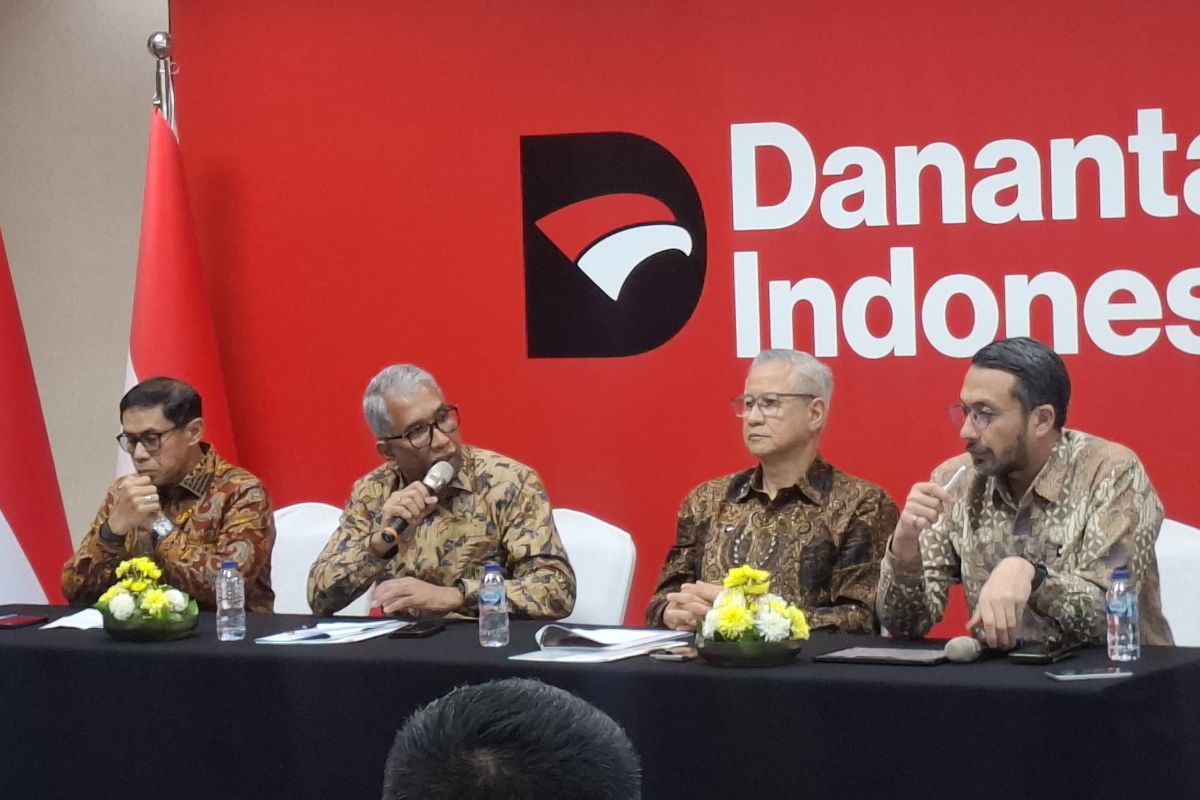
Danantara is preparing a home ownership credit (KPR) scheme with a tenor of up to 30 years targeting Generation Z. The scheme will be offered at the Danantara Housing Expo 2026, which takes place on 27-30 August 2026 at the Nusantara International Convention Exhibition (NICE), Pantai Indah Kapuk (PIK) 2. The financing scheme is designed to expand access to home ownership for young people. Facilities offered include down payments starting from 1%, monthly instalments of around Rp1 million, and tenors of up to 30 years.
Senior Director Sector Specialist Property & Real Estate Danantara Asset Management Dian Takdir Badrsyah said the long tenor is designed to meet the needs of Gen Z, who are entering productive age and require housing with more affordable financing schemes. “The funding scheme we created is aimed especially at Gen Z,” Dian said during a press conference for the Danantara Housing Expo at Wisma Danantara, Jakarta, on Friday (21/8).
He said a 30-year tenor gives people under 30 the room to start paying off a home early. The credit period is expected to finish before the debtor reaches retirement age. “If Gen Z under 30 starts their credit, it is hoped it will be completed before their retirement age,” he said.
In addition to the long tenor, Danantara offers down payments starting from 1%. Assuming a unit price of around Rp250 million to Rp300 million, prospective buyers can own a home with a down payment of around Rp2.5 million to Rp3 million. The interest rate offered also starts from 2.75% for the first three years. The scheme is expected to open up home ownership opportunities for Gen Z whose income is still at the early career stage. Housing options are not only directed at landed houses but also include vertical housing, particularly those with access to public transport.
According to Dian, landed houses in central Jakarta are increasingly difficult to reach because of high land prices. Meanwhile, lower-priced houses in suburban areas force residents to bear greater travel time and costs to their workplaces. “If vertical housing is not in demand, customers can buy at a high price in Jakarta or buy cheaply outside Jakarta,” he said.
Therefore, vertical housing integrated with public transport is considered an alternative. A number of projects on offer are in transit-oriented development (TOD) areas, including in Pondok Cina and Tanjung Barat, Parung Panjang, the Grand Kamala Lagoon area in Bekasi, and the Amethyst cluster near the East Bekasi KRL access. Dian also mentioned Urbano Bekasi as one housing option with relatively close access to a station, about 250 metres away and walkable. “Vertical housing will gradually become popular again,” he said.
Meanwhile, Managing Director Stakeholders Management of the Daya Anagata Nusantara Investment Management Agency (BPI Danantara) Rohan Hafas said the Danantara Housing Expo 2026 will present more than 100,000 housing units. The products on offer include various types, both landed houses and vertical housing, including TOD projects. Rohan cited The Anggana Village in Bogor, West Java, which has a land area of 105 square metres and a building area of 54 square metres. The home is priced at around Rp1.2 billion with monthly instalments of around Rp5 million. “There is The Anggana Village in Bogor, priced at Rp1.2 billion, with instalments of Rp5 million per month.”
According to Rohan, the financing scheme is one aspect to be highlighted at the expo. Besides landed houses, there are also apartment options with relatively affordable instalments. One is a two-bedroom apartment in Taman Melati, Surabaya, with an area of about 49 square metres. The unit is offered with monthly instalments of around Rp1.7 million. “There is an apartment in Taman Melati, Surabaya, two bedrooms, 49 square metres, Rp1.7 million per month,” he said.
Rohan said the instalment amount could be a consideration for people who currently allocate similar spending to rent. The Danantara Housing Expo 2026 is designed to integrate various housing options, developers, and financing schemes. The expo also brings together projects from state-owned enterprises and the private sector with various locations and housing types.