
Danantara optimises KDKMP’s role in distributing essential goods
Denpasar, Bali (ANTARA) – The State-Owned Enterprises Agency (BP BUMN) and Danantara are continuing to strengthen cooperation among state-owned enterprises to support the Merah Putih Village/Urban Ward Cooperatives (KDKMP) programme, particularly by widening public access to essential goods and subsidised products.
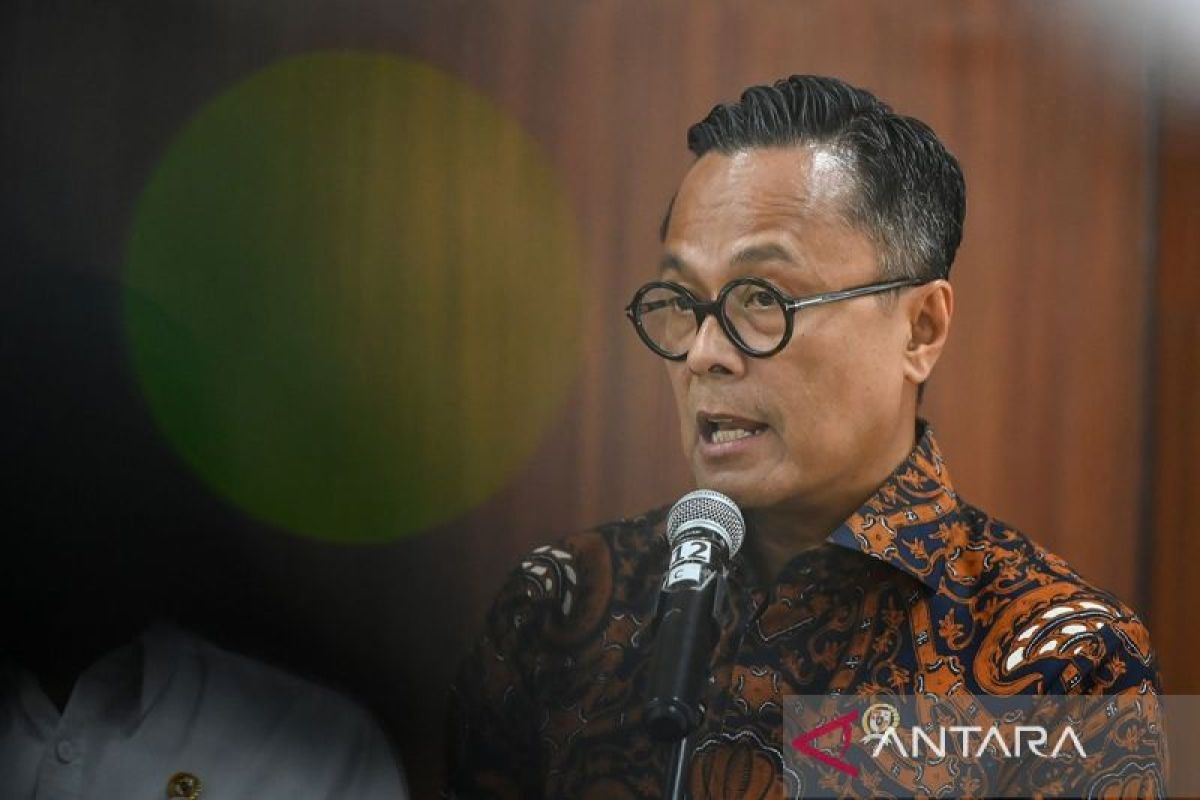
“ The President’s vision is for every subsidised product to be distributed centrally through cooperatives (Koperasi Desa/Kelurahan Merah Putih/KDKMP). This means the data will be held by those cooperatives,” said BP BUMN head and Danantara COO Dony Oskaria in an official statement confirmed by ANTARA in Denpasar, Bali, on Tuesday.
The cooperatives are therefore expected to serve as distribution points for a range of community needs, backed by supplies and distribution fleets from state-owned enterprises.
This support is being delivered through collaboration between PT Pertamina Patra Niaga and Pupuk Indonesia Holding Company (PIHC) to strengthen the energy and food distribution ecosystem through the KDKMP network.
A range of goods, including LPG, MinyaKita cooking oil and fertiliser, is being made available for ongoing distribution in line with the needs of communities in villages and urban wards.
To this end, Dony held a coordination meeting with the boards of directors of PT Pertamina Patra Niaga and PIHC.
“We supply these goods because the impact on the public is immediate. The benefits of the cooperatives are therefore tangible, and the programme is continuing,” Dony said.
The support is reflected in fertiliser deliveries, with average orders of 4–5 tonnes per cooperative. LPG distribution, meanwhile, is adjusted to each cooperative’s needs to maintain supplies and make these goods easier for the public to access.
BP BUMN and Danantara are committed to continuing to promote cooperation among state-owned enterprises to ensure that the KDKMP programme operates effectively and sustainably.
The partnership is expected not only to strengthen the distribution of essential goods and subsidised products, but also to make cooperatives drivers of village and urban-ward economies and broaden the distribution of the benefits of national development.