
Danantara Merges Four Investment Managers to Strengthen Corporate Governance
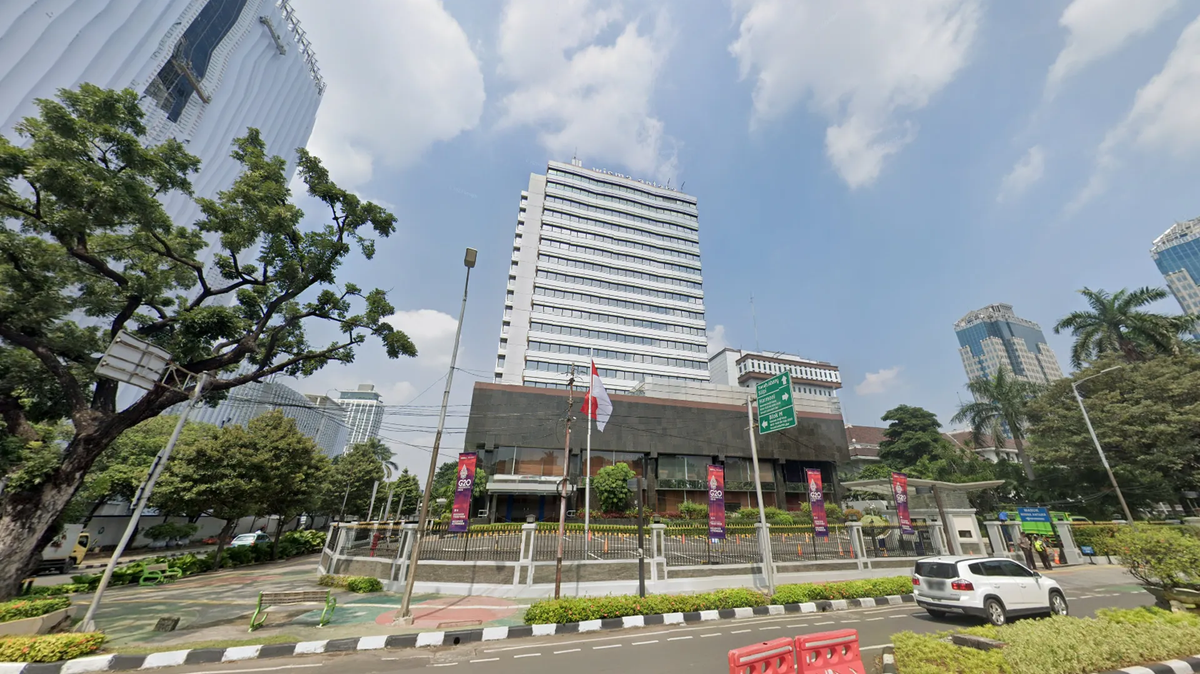
Danantara Indonesia’s consolidation of four state-owned investment management companies is a strategic step to expand business capacity and strengthen investor confidence. However, the success of the merger will depend heavily on transparency, independence and the quality of risk management.
The corporate move was carried out through PT Danantara Asset Management (DAM) and took effect on 1 October 2026. The information was reported by Investor Daily on 4 November 2026.
The four companies involved are PT Mandiri Manajemen Investasi (MMI), PT BRI Manajemen Investasi (BRIMI), PT BNI Asset Management (BNIAM) and PT PNM Investment Management (PNMIM).
The consolidation is intended to create an investment company with greater operational capacity. Danantara also aims to improve the combined entity’s efficiency and competitiveness in regional and international markets.
Nevertheless, an increase in business scale must be accompanied by improvements in corporate governance. Investors consider not only potential returns, but also accountability, disclosure, risk oversight and the quality of corporate decision-making.
Eddy Junarsin, an economist at Gadjah Mada University (UGM), said the merger process should be preceded by a comprehensive review or due diligence. This is important because the four companies have substantial businesses under Danantara.
Eddy said several business considerations underpinned the consolidation of the government-owned investment companies.
“Why are these mergers and acquisitions being carried out? Clearly, the technical reasons are streamlining and efficiency, improving management quality, investment products and services, reducing competition among government-owned investment companies, and so on,” Eddy said.
Alongside operational efficiency, improving the quality of corporate management is essential if the merger is to deliver tangible benefits. Improving investment products and services is also among the consolidation’s objectives.
However, Eddy warned that risk management must remain a priority. A company’s ability to manage various risks is one of the main factors investors consider when deciding whether to trust an investment manager.
The larger pool of assets under management after the merger will also require stronger internal oversight systems. With adequate controls, the company is expected to retain room to develop products and services without neglecting the principle of prudence.
Organisational change is another concern during the integration process. Eddy said a new workplace culture must preserve employees’ critical judgement so that management decisions are not affected by organisational bias.
He said the readiness of risk management systems and human resources would determine the company’s ability to expand internationally.
“If risk management and human resources are properly established, the government’s ambition to expand globally will be very achievable,” Eddy said.
Alongside competence, independence in the appointment of professionals also needs attention. Eddy cautioned that the company should not prioritise individuals merely because they are close to particular parties.
He said the quality of talent would be one of the factors determining the company’s success in improving its global competitiveness. Without competent human resources, international expansion targets will face obstacles.
Independence a concern for investors
Another issue the consolidation must address is the potential for conflicts of interest. Muhammad Wafi, head of research at KISI Sekuritas, said the merger of the four investment managers made business sense because it could create a larger and more efficient company.
However, the company’s greater scale must be matched by transparent corporate governance. This is necessary to assure investors that investment decisions are made independently.
Wafi highlighted Danantara’s ownership links as an issue that needs attention in the management of client funds. The institution owns an investment manager as well as stakes in state-owned enterprises (SOEs) that could become investment destinations.
“The greatest risk is structural. Danantara owns the investment manager and also owns the SOE issuers whose shares the manager buys. Investors need assurance that public funds are managed for clients, not to prop up SOE shares,” Wafi said.
This situation makes disclosure and independent decision-making fundamental requirements. Retail and institutional investors need assurance that clients’ interests remain the primary basis for portfolio management.
Wafi therefore stressed the need to limit investment exposure to companies within the SOE group and to disclose information openly.
“The key is to disclose limits on exposure to the SOE group, ensure investment decisions are independent of shareholders, provide transparent reporting and protect retail investors from mis-selling through bank branches,” Wafi said.
The success of the merger of the four investment managers therefore cannot be measured solely by the size of assets under management or operational efficiency. Independence, transparency, internal oversight, investor protection and competent human resources will all be crucial to building trust in the consolidated Danantara entity.
Source: jawawa.id (https://jawawa.id/newsitem/danantara-merges-four-investment-managers-to-strengthen-corporate-governance-1793839839)
Originally published by demokratis.co.id (https://demokratis.co.id/danantara-gabungkan-empat-manajer-investasi-perkuat-gcg), translated from Indonesian