
Danantara Invests Rp 44.75 Trillion in JBS, Economist Highlights Import Dependency
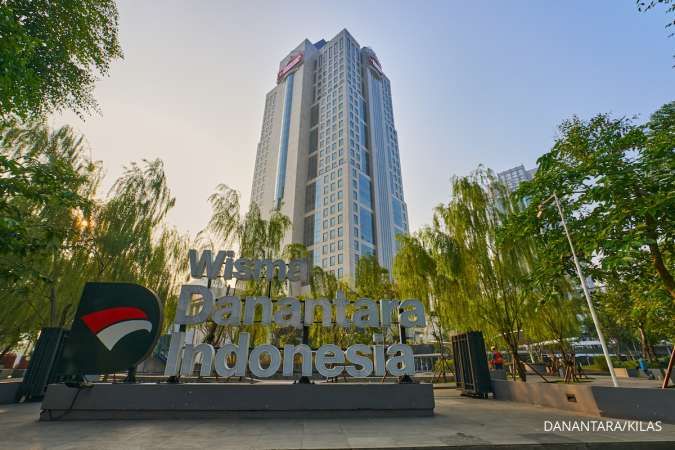
Danantara Indonesia, through Danantara Investment Management (DIM), has invested US$2.5 billion, or approximately Rp 44.75 trillion, to establish a long-term strategic partnership with JBS Group, a global protein company.
The investment gives DIM a 25% stake in a new joint venture (JV) that will manage JBS operations in Australia and New Zealand. The collaboration is aimed at supporting the development of Indonesia’s protein ecosystem while strengthening the protein supply chain in Southeast Asia.
In addition to the initial US$2.5 billion capital, the JV has the potential to secure up to US$2.5 billion in additional financing in stages. This would bring the total available capital to US$5 billion. The funds will be used to finance acquisitions and greenfield investments in Indonesia, Southeast Asia, Australia, and New Zealand.
However, economist Yusuf assessed that the investment does not automatically reduce Indonesia’s dependence on imported cattle and beef. According to him, domestic cattle and beef production is still unable to meet national demand, so imports remain necessary.
“If the investment is used more to strengthen JBS’s supply chain abroad or to facilitate the entry of imported products into Indonesia, the impact will be greater on strengthening access to global supply rather than increasing domestic production capacity,” Yusuf told Kontan on Sunday (9/8/2026).
According to Yusuf, the impact of the investment on protein security will depend heavily on how much capital actually enters the upstream sector, such as breeding, feed, fattening, and processing integrated with smallholder farmers.
Yusuf assessed that the potential additional capital of up to US$5 billion is substantial enough to increase industrial capacity and encourage technology transfer. However, Indonesia’s livestock sector still faces structural problems, ranging from low livestock productivity, feed costs, limited land, the dominance of small-scale farmers, to uneven cold chain infrastructure.
“If investment only enters the downstream sector or fattening based on imported feeder cattle, industrial capacity may indeed increase, but dependence on imports will not necessarily decrease,” he said.
Yusuf also urged the government to ensure from the outset that there are clear and measurable domestic investment targets, especially for the upstream sector, accompanied by technology transfer and the involvement of local farmers.
Supporting policies are also needed, ranging from licensing, investment incentives, breeding and feed research, to strengthening logistics and the cold chain. The investment also needs to be linked to the food security agenda and the Free Nutritious Meals (MBG) programme so that increased protein production truly answers national needs.
Previously reported, Danantara Indonesia’s Chief Investment Officer, Pandu Patria Sjahrir, said the partnership with JBS is part of Danantara’s strategy to partner with world-class operators and enter sectors with long-term value creation opportunities.
“This strategic partnership reflects Danantara Indonesia’s commitment to building collaboration with global partners in line with our investment mandate,” Pandu said in an official statement on Friday (7/8/2026).
According to Pandu, the collaboration gives DIM access to an established business ecosystem in international markets as well as JBS’s experience and distribution network.
“In addition to gaining access to an established business ecosystem in advanced international markets, this partnership is expected to leverage the experience and distribution channels of a leading global protein company that can contribute to the long-term development of Indonesia’s protein sector,” he added.
According to Tomazoni, JBS’s business in Australia and New Zealand has world-class operational standards and significant growth potential.
“Together with Danantara, we are well positioned to expand our presence in Indonesia and Southeast Asia, strengthen the regional protein supply chain, expand market access, and accelerate the development of Indonesia’s protein sector,” Tomazoni said.