
Danantara highlights readiness of local industry in renewable energy development
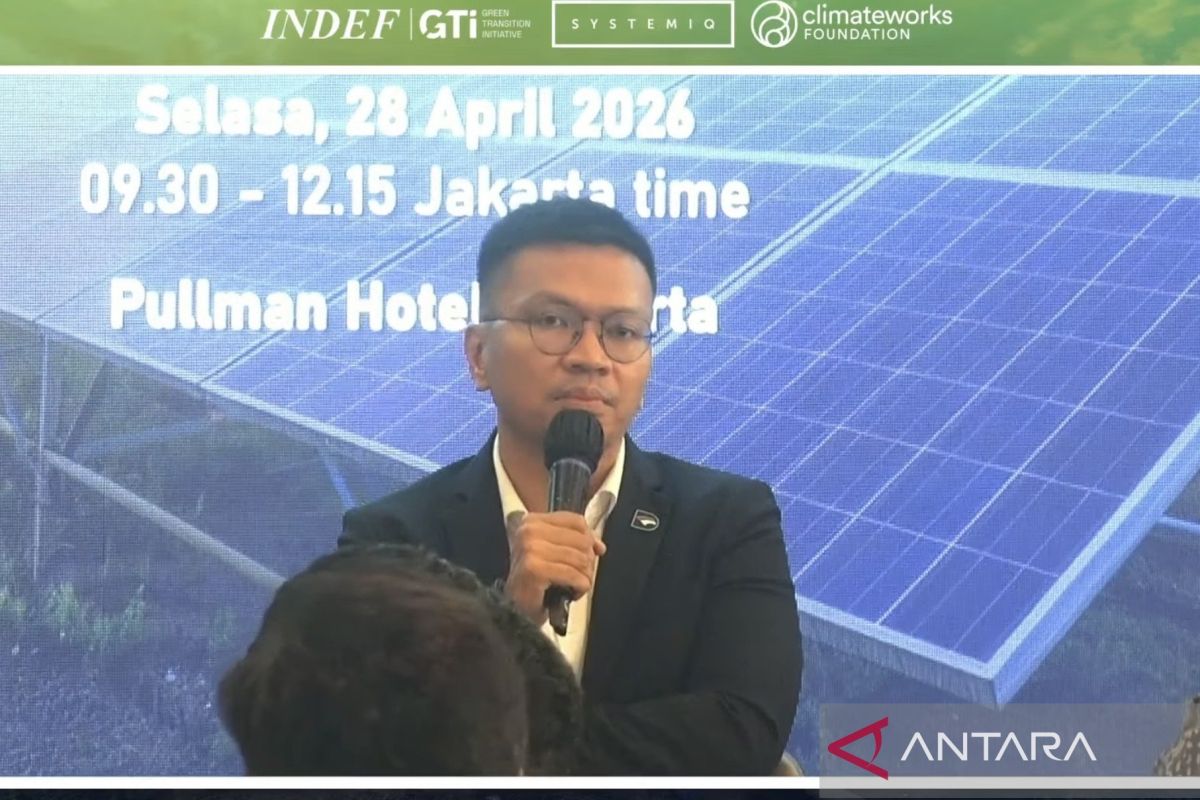
Jakarta (ANTARA) - The Investment Management Agency Danantara (BPI Danantara) has highlighted the importance of the readiness of domestic or local industry in efforts to develop new and renewable energy (EBT). “So, gradually, we also look at the industry’s readiness, and are aware that there is an economic benefit if we prioritise TKDN (domestic component level) or prioritise the domestic industry,” said BPI Danantara Director Lucky Lukman during a public discussion in Jakarta on Tuesday. According to Lucky, the development of EBT in Indonesia cannot be separated from local production elements or local content. Not only more efficient in terms of cost, the presence of products or the latest technology with TKDN also adds value in the eyes of investors in the clean energy sector. “So, it really needs to be examined properly and exercised on how we have a strategy to make this more local, but also without making it more expensive,” said Lucky. This, he continued, is important following the 2025-2034 Electricity Supply Business Plan (RUPTL), which serves as the strategic reference for the development of the national electricity system over the next 10 years. Based on that plan, the total addition of power plants over the next decade is 69.5 gigawatts (GW), with the renewable energy mix reaching 76 percent, making the 2023-2034 RUPTL the greenest to date. Meanwhile, Executive Director of the Institute for Development of Economics and Finance (Indef) Esther Sri Astuti said that the energy transition is now unavoidable as one of the drivers of investment and national economic growth. Moreover, the geopolitical conflict in the Middle East between the United States-Israel and Iran provides momentum to avoid dependence on fossil energy, and Indonesia must be able to create broader, more efficient, and sustainable EBT. “I believe that the energy transition is not an enemy of economic growth, but we can together make it one of the main pillars to contribute to economic growth by promoting clean energy transition,” said Esther.