
Danantara Head Discusses Telkom Restructuring: 12-14 Subsidiaries to be Closed
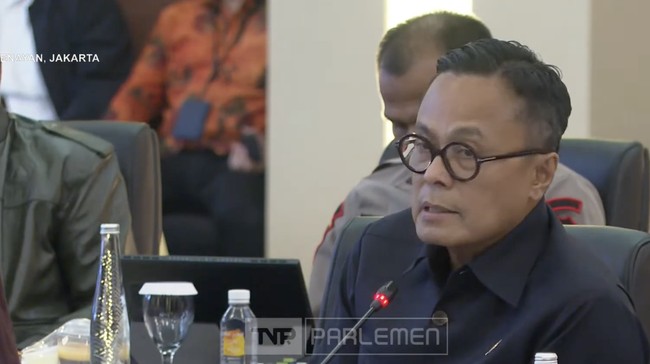
The Head of the State-Owned Enterprise Regulatory Agency (BP BUMN), Dony Oskaria, is set to streamline the PT Telkom Indonesia (Persero) Tbk (TLKM) group. This move aligns with the ongoing streamlining agenda for the Telkom Indonesia group, which currently maintains 67 subsidiaries.
Dony, who also serves as the Chief Operating Officer (COO) of Danantara, stated that the agency intends to close between 12 and 14 of Telkom’s subsidiaries, with a target of leaving only 19 companies remaining. “I forget whether it is 12 or 14 companies being closed,” he remarked following a meeting with Commission VI at the DPR RI building in Jakarta on Monday.
As part of the transformation process within the telecommunications giant, approximately 48 subsidiaries will undergo consolidation through either merger or liquidation schemes. Entities with similar business models will be merged to ensure they can operate according to their core business functions.
Dony emphasised that despite the mergers and closures within the Telkom group, there will be no layoffs. Employees from subsidiaries affected by mergers or liquidations will be reassigned to the surviving merged entities. “For instance, in the fibre optic sector, several companies will be consolidated into one larger entity, and the employees will be integrated into that larger scale,” he explained.
Previously, Dony held a meeting with the Director of Portfolio/Business of PT Telkom Indonesia at Wisma Danantara Indonesia to provide an update on the streamlining implementation. This initiative is part of Telkom’s broader transformation to build a leaner, more focused, and competitive business structure, strengthening its role as a strategic digital holding company.
During the discussions, Telkom management outlined several strategic steps, including mergers, divestments, liquidations, business consolidation, and the formation of a new enterprise holding to bolster the focus on digital business and national telecommunications infrastructure. Priority agendas are also being accelerated, including the consolidation of the SOE FiberCo, the development of Data Centres, TowerCo, and InfraCo, as well as the restructuring of Telkom Group licences to support a transition towards a globally competitive digital holding company.
Through this transformation, BP BUMN and Danantara continue to drive the strengthening of governance, business efficiency, asset optimisation, and the consolidation of the national digital ecosystem to ensure SOEs become more agile, healthy, and capable of driving Indonesia’s future digital economy.