
Danantara guarantees natural resource export contracts will continue despite PT DSI
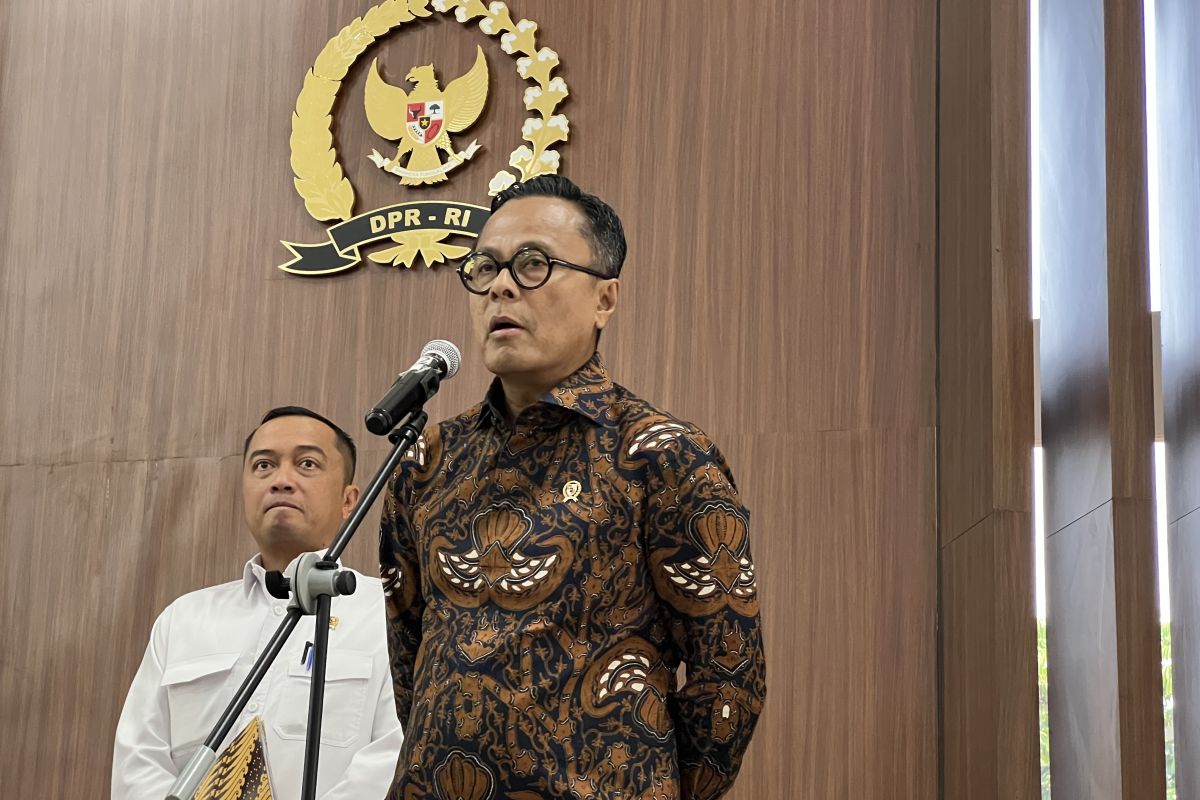
Jakarta (ANTARA) - The Head of the State-Owned Enterprise Regulatory Agency and Chief Operating Officer (COO) of Danantara, Dony Oskaria, has guaranteed that natural resource (SDA) export contracts will continue to operate normally despite the presence of PT Danantara Sumberdaya Indonesia (DSI).
“We will continue to honour the contracts already held by all companies. They will proceed as they currently exist,” Dony stated during a press conference at the Parliament Complex in Senayan, Jakarta, on Monday.
Dony noted that these contracts will remain in effect as long as practices such as under-invoicing and transfer pricing do not occur. Under-invoicing refers to fraudulent practices by importers or exporters who intentionally report a lower value or price for goods on an invoice than the actual transaction value. Transfer pricing involves pricing policies in transactions between affiliated companies, involving goods, services, intangible assets, or funding.
“As long as under-inting and transfer pricing do not occur, these natural resource export contracts will proceed as usual,” Dony said. Consequently, Dony urged entrepreneurs and the public not to be concerned, as all contracts are operating normally. “We are merely ensuring that we find a better pattern by 31 December 2026,” he added.
Furthermore, he revealed that the government is currently developing a digital system to ensure that all Indonesian natural resource transactions are conducted fairly and transparently.
Coordinating Minister for Economic Affairs, Airlangga Hartarto, stated that natural resource exporting companies will be required to report their export activities to PT Danantara Sumberdaya Indonesia (DSI) starting 1 June 2026. This reporting will be conducted through the Customs Excise Information System and Automation (CEISA) 4.0 platform, managed by the Directorate General of Customs and Excise under the Ministry of Finance.
Previously, exporters were only required to report to the Directorate General of Customs and Excise via the same platform. Airlangga noted that the initial phase of this new reporting mechanism will involve three export commodities: coal, ferroalloy, and palm oil. The government will continue to evaluate the new mechanism during its first three months of implementation before full implementation begins on 1 January 2027. He expressed hope that exporters and entrepreneurs would have sufficient time to adjust during the six-month transition period for the new export reporting mechanism.