
Danantara explains why it chose a new state-owned enterprise dedicated to exports
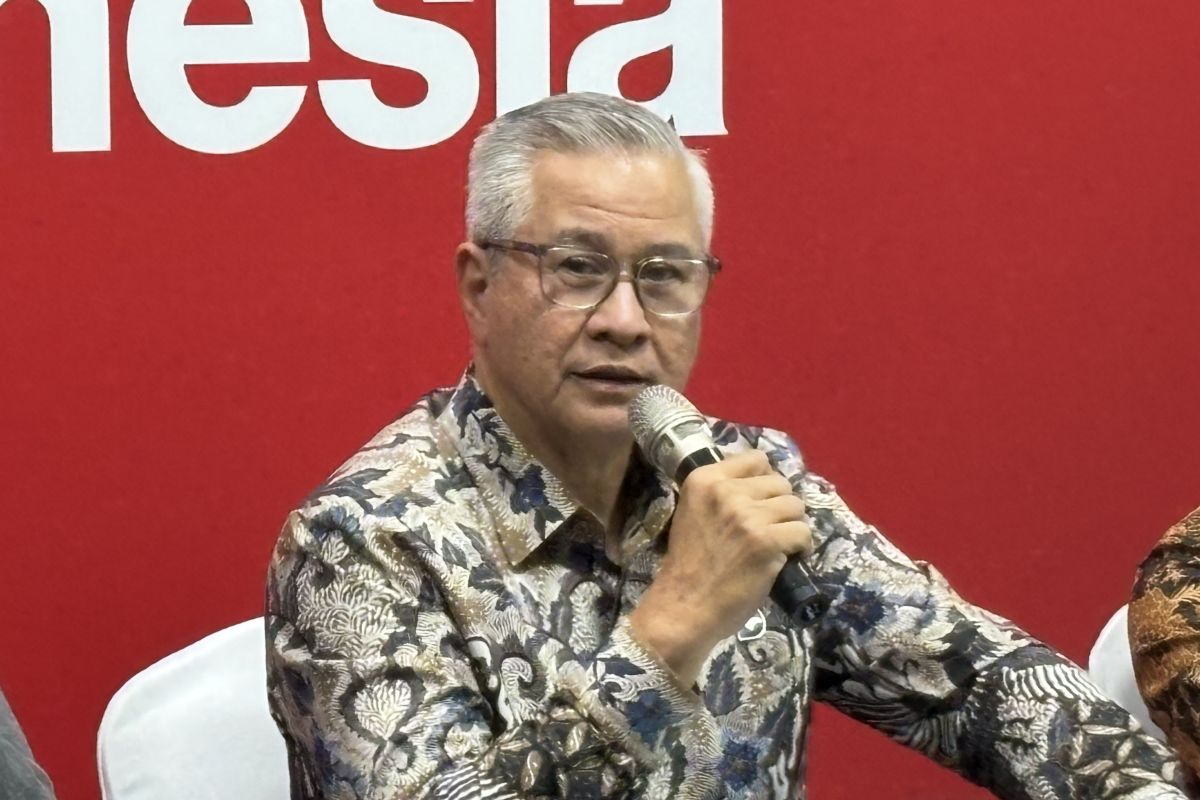
Danantara Investment Management Agency (BPI) Danantara explained the reasons for forming PT Danantara Sumber Daya Indonesia (DSI) as a new state-owned enterprise (SOE) dedicated to handling exports. Rohan Hafas, Managing Director of Stakeholders Management & Communications at Danantara Indonesia, told a media briefing at Wisma Danantara Indonesia, Jakarta, on Wednesday, that he had received a mandate from President Prabowo Subianto to mediate the export processes abroad for several commodities. In response to this task, Danantara prepared PT DSI, a company formed as an SOE. Hafas said PT DSI would operate directly under Danantara. The mechanism is deemed relevant since Danantara possesses large capital and scale. ‘This (PT DSI) will be directly under Danantara. The entity with the large capital and scale is Danantara,’ he told reporters. The functions of DSI will be carried out in two phases. The first phase will run from 1 June to 31 December 2026, during which DSI will act as an evaluator and intermediary for sellers and buyers for certain commodities to be exported. In the second phase, which begins in January 2027, DSI will become a trading company. That means DSI will buy directly from exporters, hold the goods, and bear the risk of sale. Thereafter, DSI will sell the goods to international markets. Revenue from sales will be received in foreign currency, depending on the country where the transaction takes place, while continuing to adhere to best practices in trade. The proceeds from these sales will then be fully remitted back to Indonesia. The government established PT DSI as a company with a special mandate to manage and oversee export transactions of strategic natural resource commodities, including palm oil, coal, and ferro-alloys. President Prabowo Subianto said the main objective of issuing the government regulation was to prevent and eradicate illegal practices that have long occurred in the governance of Indonesia’s natural resource exports. Such illegal practices include under-invoicing, transfer pricing, and capital flight of export earnings.