
Danantara: Establishment of DSI to Improve Transparency in Indonesia's Natural Resource Exports
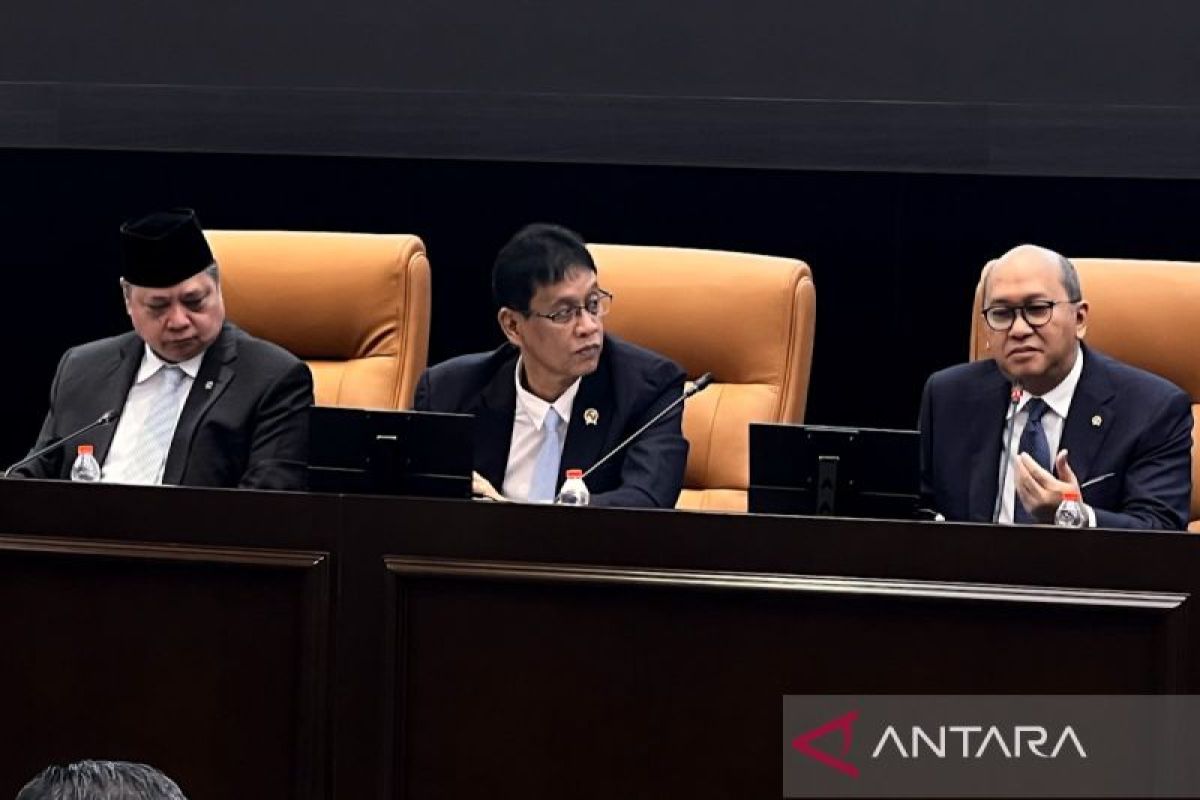
Jakarta (ANTARA) — Rosan Roeslani, Chief Executive Officer of Danantara Indonesia, said that the formation of Danantara Sumber Daya Indonesia (DSI) is intended to strengthen transparency in the export transactions of national natural resource commodities.
Rosan said the creation of DSI is a follow-up to President Prabowo Subianto’s directive to the State-Owned Enterprises Regulator Agency (BP BUMN) to improve governance of trade in natural resource commodities so that it is more open and accountable.
‘Therefore, we have formed a single body, the first of which, as conveyed by the Coordinating Minister for Economic Affairs, Airlangga Hartarto, named PT Danantara Sumber Daya Indonesia. We want to emphasise that this is more about transparency of transactions,’ he said at a Jakarta press conference on the Macro Economic Framework (MEF) and Key Fiscal Policy Principles (KPPF) for the 2027 Budget Year.
According to Rosan, the government still sees high levels of under invoicing and transfer pricing in several Indonesian export commodities over the years, based on data from the government and international bodies.
Such practices are viewed as affecting state revenue from taxation, royalties, and foreign exchange, as well as influencing the validity of national trade data that have long been a government concern.
As a result, Danantara formed PT Danantara Sumber Daya Indonesia as a platform to monitor the openness of export transactions, from volume and price to the mechanics of commodity delivery.
The government began implementing the initial phase of the mechanism from June to December 2026 in the form of mandatory reporting of all export transactions of natural resource commodities to the DSI, comprehensively.
During this phase, exporting companies are required to report transaction details first so that the government can assess whether the prices stated align with global market indices and fair prices.
Danantara emphasised that the policy is not intended to impede trade, but to create a more open trading system between sellers, buyers and the government in line with international market mechanisms.
From January 2027 onward, the government will implement export transactions through the digital platform prepared by Danantara to improve efficiency while strengthening oversight of the national commodity trade.
Danantara described the platform as an integrated system expected to bring broader benefits to business actors, government, and the public through more transparent governance of trade.
Rosan stressed that all mechanisms and technical procedures would be prepared openly while upholding the principles of good governance so that its implementation can be understood and accepted by all players in the national industry.
He added that the government would also provide a transition period and gradual evaluation over the coming months to ensure the new system operates optimally without disrupting national exports.
Through the establishment of DSI, the government hopes Indonesia’s natural resource commodity trade will become more transparent, better increasing national added value and expanding the benefits for the welfare of the Indonesian people.