
Danantara Ensures No Layoffs Amid State-Owned Enterprise Streamlining
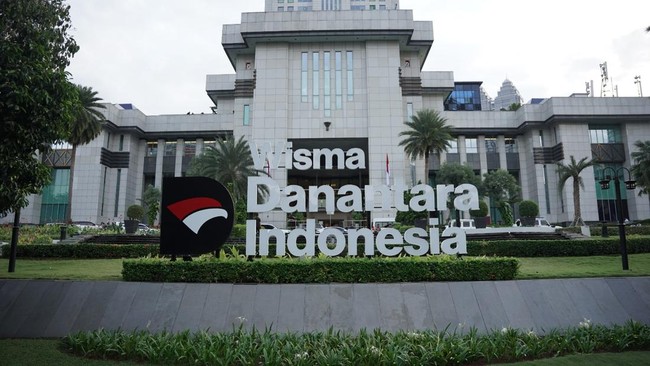
The Daya Anagata Nusantara Investment Management Agency (BPI Danantara) is currently restructuring state-owned enterprises (BUMN) to create more efficient management. Chief Operating Officer Dony Oskaria has confirmed that the streamlining process will not result in mass layoffs. Despite reducing the number of BUMN entities from 1,077 to approximately 200-300 companies, all employees will be retained and transferred to the consolidated firms. President Prabowo Subianto has directed that the major transformation of BUMN must not harm the workers.
Oskaria explained that the streamlining process is targeted for completion this year to address widespread inefficiency and losses. He noted that around 52% of the current 1,077 companies are operating at a loss, with accumulated losses reaching Rp20 trillion. Calculations showed that the total annual labour cost for these companies is only around Rp2-3 trillion, while the potential efficiency savings are far greater. By retaining all employees, Danantara still expects to save Rp47 trillion.
He asserted that no employees would be let go and that they would become part of the newly consolidated companies, as the restructuring is not the fault of the workers. The consolidation is expected to generate direct annual savings of up to Rp50 trillion by eliminating layered transactions between parent companies, subsidiaries, and sub-subsidiaries, which have caused inefficiencies of around Rp30 trillion. An example cited was the merger of Pertamina Patra Niaga, Kilang Pertamina Internasional, and Pertamina International Shipping, which cut internal transaction costs and accounting losses, saving approximately USD600-700 million. Similar inefficiencies were found within the Telkom Group, where fibre optic network projects passed through multiple corporate layers, incurring unnecessary costs. Oskaria concluded that once the streamlining is complete and the number of companies is reduced to around 254, an immediate saving of Rp50 trillion will be realised without waiting for improvements in profitability.