
Danantara Closes 354 SOEs
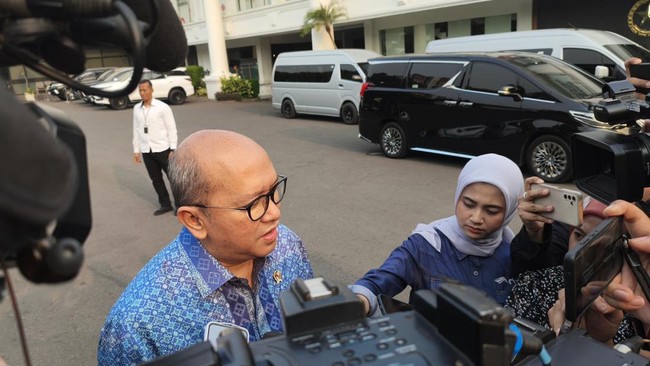
BPI Danantara met with the President of the Republic of Indonesia, Prabowo Subianto, to discuss the ongoing programme of streamlining State-Owned Enterprises (SOEs).
“We discussed our next steps for early 2027, which involve increasing the optimisation of SOE assets, enhancing productivity, and improving efficiency. This includes opening up opportunities for broader cooperation with the private sector and the business community,” said Rosan Roeslani, CEO of BPI Danantara, at the Presidential Palace on Monday (5/10/2026).
He noted that if certain sectors are performing well and can be managed by the private sector, the agency will support and allow private entities to undertake those operations. “We will arrange these programmes as we continue the consolidation process. The next step is to focus on how we optimise these assets,” Rosan explained.
He encouraged both the private sector and SOEs to be more productive and efficient through business collaboration. Danantara aims to optimise existing SOE assets through well-planned, measurable, and structured strategies that yield significant benefits.
Rosan also revealed that the number of SOEs has been reduced by 354 companies. “If we look at the assets we have closed or reduced, most were essentially dormant. The entities still exist, but they were no longer operational. We are also conducting mergers,” he stated.
As an example, six asset management units previously owned by various banks have been merged into a single entity. Furthermore, previously scattered assets, such as hotels owned by various SOEs, are being consolidated into a single holding company. “We have combined 137 hotels to increase efficiency. We are also merging nearly 75 hospitals. These are part of our streamlining efforts within the SOEs,” he emphasised.
On the other hand, he explained that out of the original 1,074 SOEs, only 15 companies contributed 97% of the dividends. He further noted that approximately 52% of these companies were loss-making. This is the issue being addressed; as conveyed by the President, if the private sector can perform better in non-strategic sectors, greater space will be provided to the business community to develop these enterprises.