
Danantara Claims Rp330 Trillion Profit, Does It Really Beat Temasek?
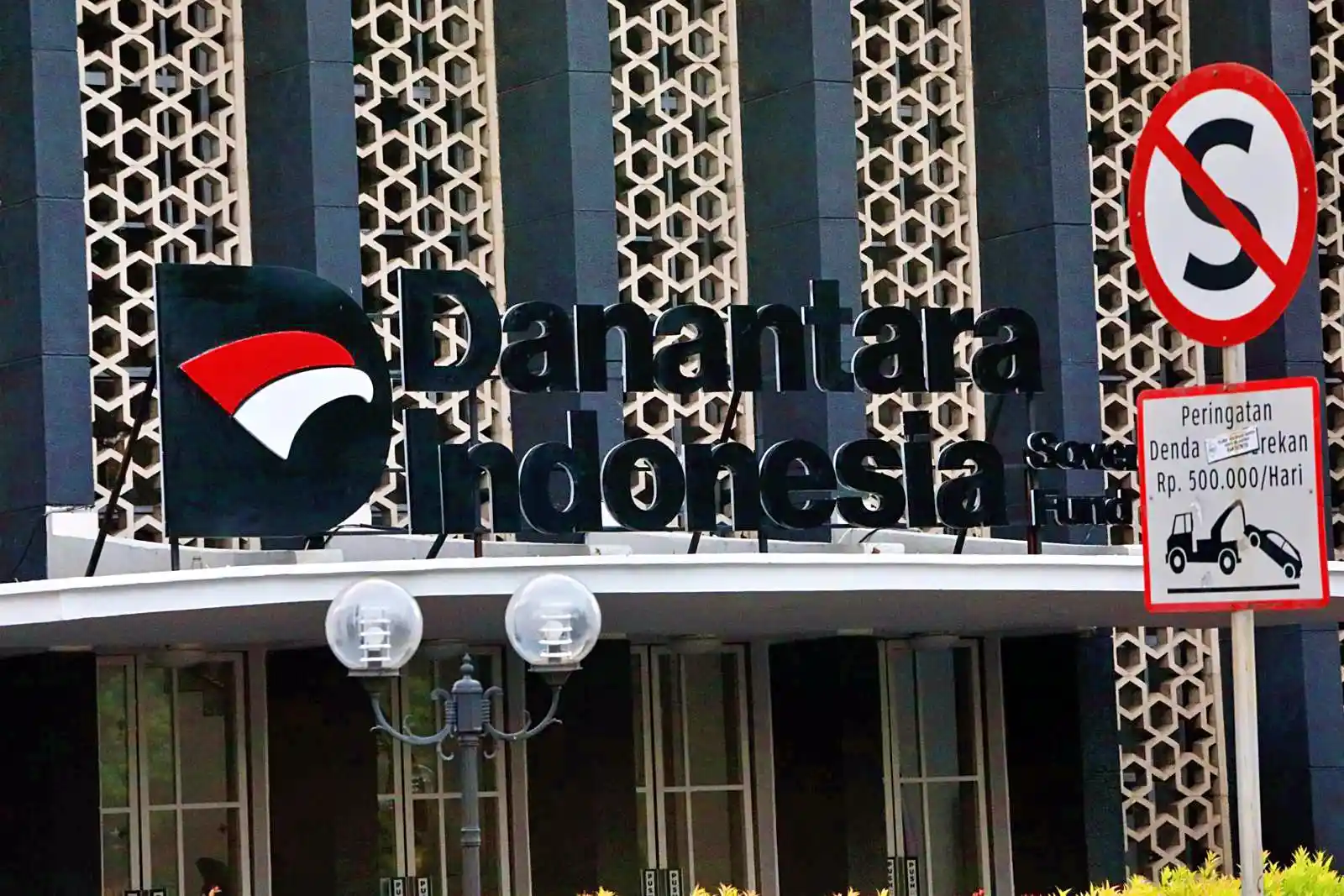
The Daya Anagata Nusantara Investment Management Agency (Danantara) has claimed to have earned a profit of Rp330 trillion. Chief Operating Officer (COO) of Danantara Indonesia Dony Oskaria said the achievement was larger than that of Temasek Holdings.
Dony, who is also Head of the State-Owned Enterprise Regulatory Agency (BP BUMN), is targeting a Danantara profit of Rp360 trillion this year. He then compared that target with the performance of the Singaporean government-owned investment company.
“So, in terms of the size of net income, we are certainly already larger than Temasek. This year we expect Rp360 trillion, almost double that of Temasek, from Rp136 trillion to Rp360 trillion,” Dony said on Monday, 24 August 2026.
Dony said the achievement needed to be known by the public. According to him, the information shows Indonesia’s ability to build reliable companies.
“I think not many people know that our net income, our company profit at Danantara, is larger than Temasek’s. This is perhaps not widely known,” Dony said.
Although Dony conveyed the profit figure, Danantara’s consolidated financial statements have not been officially published. The report is still in the process of consolidation and thorough audit. The process covers various state-owned enterprise entities within the Danantara ecosystem.
Therefore, the Danantara profit figure conveyed by Dony cannot yet be directly compared with the audited financial statements published by Temasek.
Meanwhile, Temasek’s official financial statements show figures that differ from Dony’s claim. Temasek recorded a group net profit of SGD32.4 billion for the year ended 31 March 2026. The figure increased by 37.9 per cent compared with SGD23.5 billion in the previous year.
Assuming an exchange rate of Rp13,940 per Singapore dollar, the net profit is equivalent to approximately Rp451.66 trillion. That figure is far higher than the SGD12 billion, or around Rp136 trillion, mentioned by Dony.
Temasek indeed uses a financial year ending on 31 March. Therefore, Temasek’s performance does not use the calendar period of January to December. Temasek also provides a summary of consolidated financial statements based on audited financial statements.
In addition to net profit, Temasek recorded revenue of SGD174.5 billion. At an exchange rate of Rp13,940 per Singapore dollar, the value is approximately Rp2,432.53 trillion. Revenue increased by about 3 per cent compared with SGD169.4 billion in the previous year.
Temasek’s gross profit also increased to SGD44.3 billion. The figure is equivalent to approximately Rp617.54 trillion. In the previous year, Temasek’s gross profit was recorded at SGD42.8 billion, or approximately Rp596.63 trillion.
Temasek also recorded other net income of SGD32.2 billion. The value is equivalent to approximately Rp448.87 trillion and increased from SGD20.6 billion.
Meanwhile, profit before tax reached SGD42.2 billion. At the same exchange rate, the value is approximately Rp588.27 trillion. The figure increased compared with SGD32.3 billion in the previous year.
Profit for the year reached SGD37.3 billion. The value is equivalent to approximately Rp519.96 trillion. The figure increased compared with SGD28.8 billion in the previous year.
The difference in figures shows the importance of comparing metrics and reporting periods on an equal basis.
Danantara itself is still completing consolidation and audit of entities within its ecosystem. Meanwhile, Temasek has provided audited group financial statements for the financial year up to 31 March 2026.
The Daya Anagata Nusantara Investment Management Agency (BPI Danantara) was established as a state investment management institution with a mandate to optimise strategic assets and investments. Therefore, its sources of income need to be distinguished between incoming fund flows, investment returns, and funding sources.
One important source is dividends from state-owned enterprises within the Danantara ecosystem. Danantara said part of the dividends received in 2025 had been allocated to finance a number of strategic investments, including projects with long-term economic value.
The funds can then be managed again through various investments. Danantara’s investment mandate covers strategic projects, priority sectors, and portfolio diversification across asset classes and geographical regions. The aim is to generate returns while creating long-term economic value.
With this mechanism, Danantara’s profits do not solely come from state-owned enterprise dividends, but also potentially from investment returns and increases in the value of assets it manages. Meanwhile, bond issuance, such as the USD1.5 billion international bond in June 2026, is a source of funding, not profit.
President Prabowo in August 2026 said he had received a report that Danantara’s revenue increased by about 400 per cent in a year. However, the figure still has to go through a verification and audit process.