
Danantara begins construction of Bali PSEL, ensures technology is proven
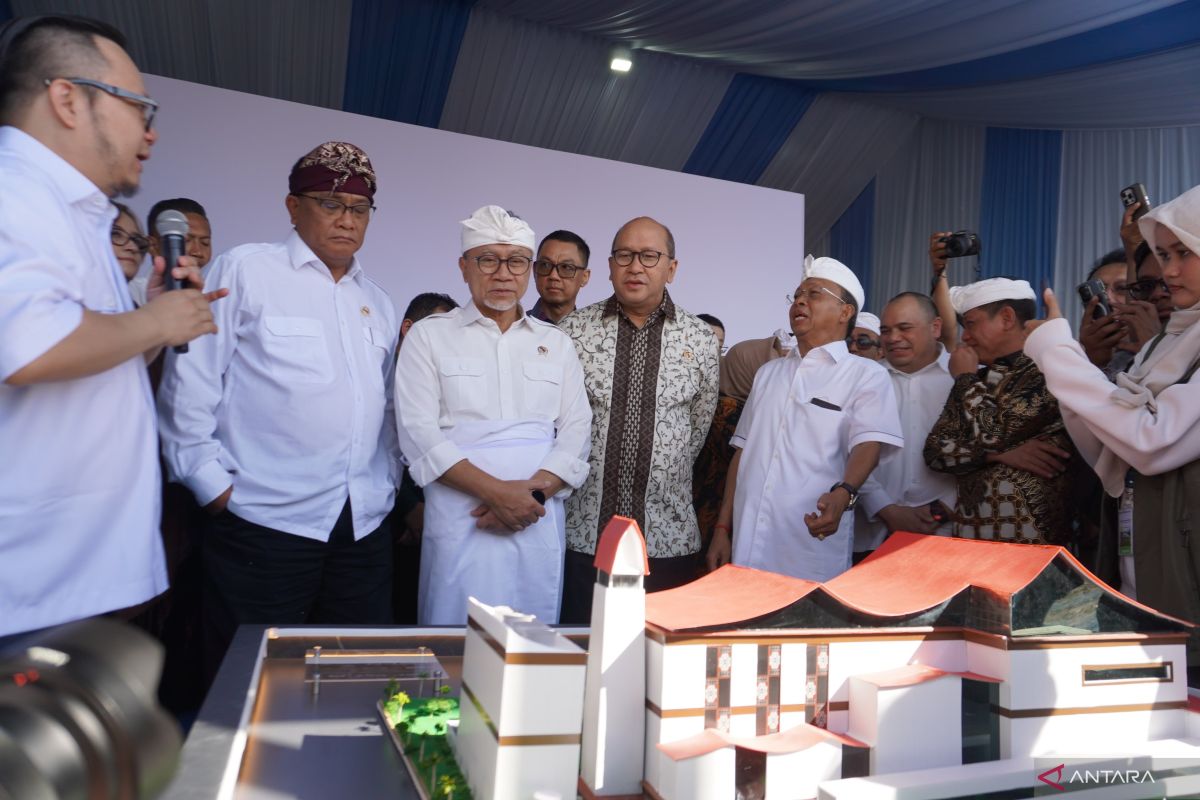
Denpasar (ANTARA) - Danantara Indonesia has commenced the construction of a Waste-to-Energy (PSEL) plant in Bali, ensuring that the technology to be utilised is thoroughly proven.
“This morning is a historic day for us; this is the first groundbreaking for the Danantara Waste-to-Energy or PSEL programme to be conducted in Bali,” said the CEO of Danantara Indonesia, Rosan Roeslani, in Denpasar on Wednesday.
Rosan explained that the need for this technology arises from President Prabowo Subianto’s mandate to resolve waste problems rapidly. To eliminate waste without causing negative environmental impacts, the government has introduced the solution of converting waste into energy.
Through PT Danantara Investment Management (DIM) and PT Daya Energi Bersih Nusantara (Denera), Danantara Indonesia moved quickly to find partners and identified technology that has been proven in 50 countries to solve waste issues.
“Whether it is new waste or old waste, it can be absorbed and processed. During my visits to several locations, such as China and Japan, I saw that with this programme, it is very clean. In China, even in the middle of elite residential areas, the PSEL plant is clean and odourless; in fact, reading rooms and recreational areas for children were built behind it,” said Rosan.
Consequently, he hopes the public will be patient, as the completion of the Bali PSEL plant will transform the perception of waste management. “I am confident this will be clean, odourless, and will even serve as a place for study, visits, and other useful functions such as reading gardens or recreation sites,” he added.
The CEO of PT DIM, Pandu Patria Sjahrir, added that the Bali PSEL project is being conducted professionally, supported by technical, operational, legal, financial, and environmental expertise, starting from the selection of partners.
Construction has now begun in Pedungan Village, Denpasar, which serves the Denpasar and Badung agglomeration. The plant is scheduled to begin operations in early 2028, processing 1,500 tonnes of waste per day.
Pandu explained that the Bali PSEL is designed to deliver a tangible impact on waste management, green energy, and the local economy, adhering to the European Industrial Emissions Directive (EU IED) standards.
The project is targeted to manage over 500,000 tonnes of waste per year, which represents more than 40 per cent of Bali’s total waste generation.
From an environmental perspective, the Bali PSEL is projected to reduce waste emissions from landfills by up to 80 per cent and decrease carbon emissions by 640,000 tonnes of CO2 per year.
“In terms of energy, this initiative will produce green energy capable of supplying the needs of approximately 100,000 households in Bali. This initiative is valued at Rp3 trillion, is expected to create 1,200 green jobs, and will reduce the need for landfill space by approximately 80 per cent,” he stated.