
Danantara Announces 8 Winners of PSEL Tender, Chandra Asri (TPIA) Subsidiary Included
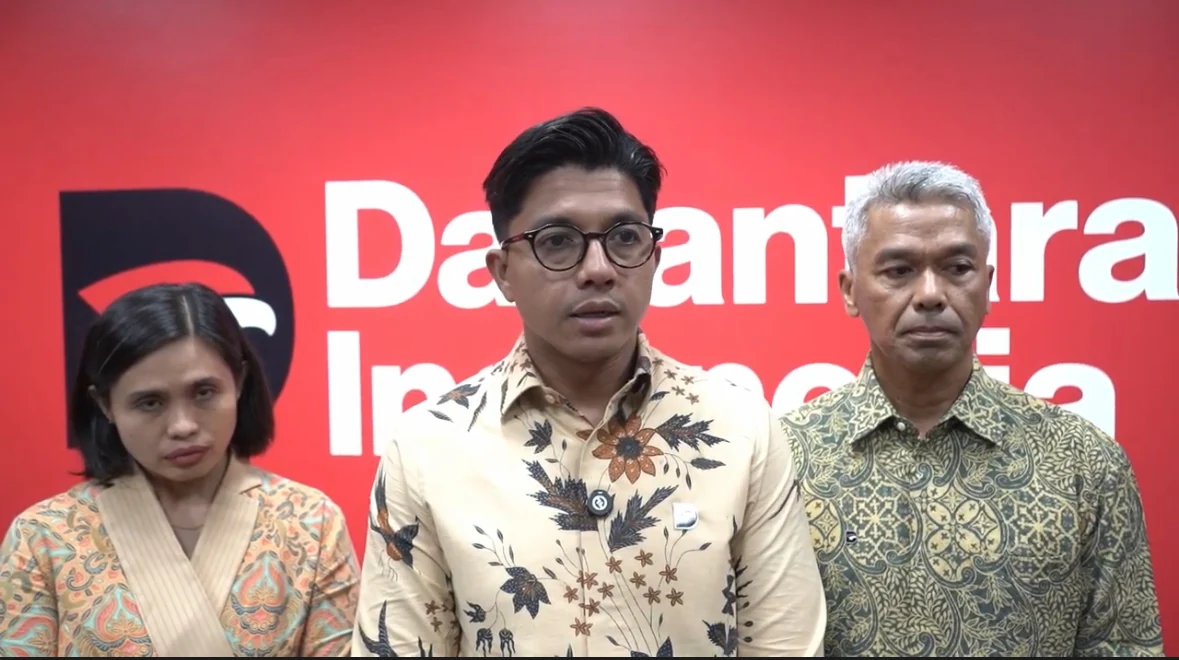
Indonesia’s Investment Management Agency (BPI) Danantara, through PT Daya Energi Bersih Nusantara (Denera), has officially announced eight partners that won the tender for the second phase of the Waste-to-Energy (WtE) power plant programme. The projects will be developed across eight regions covering 20 regencies and cities as part of efforts to accelerate the development of waste-based energy infrastructure.
The winners were designated through the issuance of Conditional Letters of Award (CLoA) on 13 July 2026. The document represents conditional appointment before the partners fulfil all requirements needed to proceed to the final contract stage.
Denera Chief Executive Officer Fadli Rahman said this round of selection was stricter and more competitive than the previous phase. According to him, the high number of participants from various countries demonstrates that Indonesia’s WtE projects are beginning to attract the attention of global industry players.
“The selection of partners for the second phase was more competitive. We received 68 submissions for eight locations. Participants also came from various countries — not only China, but also companies from Indonesia, France, Japan and India,” Fadli said in a written statement received by KabarBursa.com on Monday, 13 July 2026.
For the Medan Raya region, the project has been awarded to the SUEZ Insan Asia consortium, a collaboration between Indonesian and French companies. The facility is designed to process up to 1,700 tonnes of waste per day.
In Bekasi Regency, the project will be carried out by the Consortium Everbright Cemerlang Energy, also known as Everbright Harmoni. Meanwhile, Lampung Raya will be developed by Bumi Biru Indonesia, or SUS Indoplas, an Indonesian-Chinese consortium.
The WtE project in Serang Raya, with a processing capacity of 1,161 tonnes of waste per day, will be handled by a consortium of PT Chandra Waste Energy, Beijing GeoEnviron Engineering and Tech Inc., and Masa Depan Energi Indonesia. PT Chandra Waste Energy is itself a subsidiary of PT Chandra Asri Pacific Tbk.
For Semarang Raya, Danantara appointed Veolia Environmental Services Asia Pte. Ltd. of France as the developer, with a processing capacity of up to 1,100 tonnes of waste per day.
Meanwhile, the Surabaya Raya project will be developed by the Konsorsium Mentari Citra Lestari, whose members include PT Bakrie Power, PT Acritas Karya Persada and SUS Indonesia Holding Limited.
In Bogor Raya, the project will be carried out by the Konsorsium MPM-CEVIA Enviro Inc., or PT Mega Power CEVIA. The Yogyakarta Raya project has been entrusted to the Konsorsium Cakra Energi Lestari, comprising PT Pertamina Power Indonesia, Tianjin TEDA Environmental Protection Co. Ltd. and CITICC International Investment Limited.
Fadli stressed that the entire selection process was conducted objectively, upholding good governance principles and following internationally accepted best practices.
“To ensure the independence and quality of the process, we appointed independent technical, legal and commercial advisers to accompany every stage of the evaluation,” Fadli said.
Meanwhile, Danantara Chief Executive Officer Pandu Sjahrir viewed the participation of world-class waste-to-energy companies in the selection as a signal that Indonesia is increasingly trusted as a destination for environmental sector investment.
“We see this as an opportunity to accelerate technology transfer, build national capacity and strengthen the waste management industry ecosystem in Indonesia,” Pandu said.
How large is the WtE programme Danantara is driving?
The appointment of the eight second-phase WtE partners forms part of a much larger agenda. Danantara is targeting the construction of 33 WtE facilities across 61 regencies and cities, with an investment value of around USD 5 billion, equivalent to approximately Rp89.5 trillion.
That investment figure shows the WtE programme is not merely the construction of waste processing facilities, but one of the largest environmental infrastructure projects currently being pushed by the government.
Based on that value, the average investment requirement per project is estimated at around USD 151.5 million, or roughly Rp2.71 trillion, although the investment amount for each location may differ depending on the capacity and complexity of the project. These figures were presented by Danantara Investment Management CEO Pandu Sjahrir in an earlier briefing.
The programme implements Presidential Regulation No. 109 of 2025, which expands WtE development nationally. The new regulation replaced the previous scheme, increasing the project’s coverage to 33 locations spread across 61 regencies and cities.
Several announced projects also demonstrate the scale of the waste processing capacity being designed. The Medan Raya WtE plant, for example, is targeted to process 1,700 tonnes of waste per day. The Serang Raya facility has a capacity of 1,161 tonnes per day, while Semarang Raya is projected to process 1,100 tonnes of waste daily.
Meanwhile, the Bekasi project is designed with a capacity of around 1,000 tonnes of waste per day and electricity production of up to 18.5 megawatts. In Bogor Raya, processing capacity is estimated at between 1,000 and 1,500 tonnes per day, while Yogyakarta Raya is targeted to process around 1,000 tonnes of waste daily.
Nationally, the government targets 11 first-wave WtE projects to have a combined processing capacity of 14,928 tonnes of waste per day, with potential electricity generation of 310.3 megawatts. This figure is one indicator of the WtE programme’s significant contribution to reducing waste accumulation while providing waste-based energy.
The scale of the programme is also reflected in growing investor interest. In the second-phase selection, Danantara received 68 proposals from 85 companies included on the Selected Provider List. That number is higher than the first phase, which involved only 24 participants.
Selection participants came from various countries, including Indonesia, France, China, Japan and India, indicating increased competition to develop waste management infrastructure projects in Indonesia.
Nevertheless, the investment value of each of the eight second-phase projects, including the funding composition between Danantara, private partners and financing institutions, has not yet been published in detail.
The eight newly announced partners also still hold Conditional Letters of Award status, meaning they must fulfil all technical, commercial and financing requirements before being confirmed as definitive developers.