
DAMRI Drives Interregional Connectivity Amid National Mobility Challenges
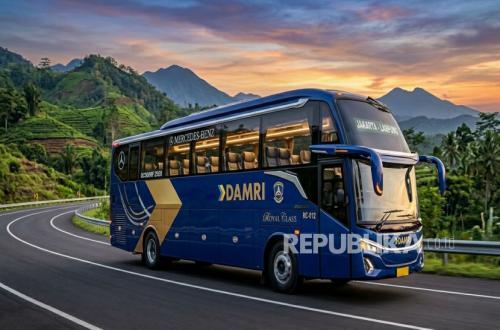
Land transport remains the primary choice for people travelling between cities or accessing areas not yet fully served by other modes of transport. In the face of rising mobility needs, bus services are still seen as playing a vital role in maintaining interregional connectivity as well as supporting the national economy and tourism.
One operator that still maintains a wide network is DAMRI. The state-owned enterprise serves a range of routes—from airport shuttle services, intercity interprovince (AKAP) routes, pioneer routes, to cross-border services (ALBN). The presence of these services not only serves major cities but also helps open access to areas with limited public transport.
Some routes heavily used by the public include Jakarta–Lampung, a main mobility corridor linking Java and Sumatra; the Soekarno-Hatta Airport service to various points in Jakarta and its surroundings; and the Bandung–Kuningan route, an important access corridor in West Java. Additionally, DAMRI operates the Pontianak–Kuching route, connecting Indonesia and Malaysia by road.
In the tourism sector, land transport also plays an important role in supporting connectivity to tourist destinations. One example is the Yogyakarta–Magelang route, which provides access to the Borobudur area. The presence of public transport is seen as helping travellers access a more convenient and affordable transport option.
Technological developments are also driving the transformation of public transport services. The collaboration between DAMRI and the digital ticketing platform redBus is one of the efforts to broaden public access to land transport services that are more practical and efficient. Through this partnership, the public can book journey tickets online without needing to visit a ticket counter or departure pool.
The digital booking system also enables passengers to receive instant confirmations after a transaction, including selecting seating positions via an interactive seat map. In addition to easier access, the digital collaboration also drives the transformation of public transport services to be more responsive to the needs of modern society.
In addition to expanding access to services, road transport operators are also beginning to upgrade fleets to enhance passenger comfort, especially on long-distance journeys. A number of premium services with more spacious seating and additional facilities are being introduced as part of improving public transport services.
Amid competition with other transport modes, bus transport remains a popular choice due to its broad route reach and relatively affordable fares. This keeps bus services relevant in supporting interregional mobility across Indonesia.