
DAI Reveals How Insurance Industry Builds Public Trust
Jakarta — Indonesia’s insurance industry penetration rate remains low at 2.72% of gross domestic product in 2025, even when compared with other ASEAN nations. Life insurance premium growth has similarly remained sluggish, with premiums reaching only IDR 133.22 trillion in the third quarter of 2025.
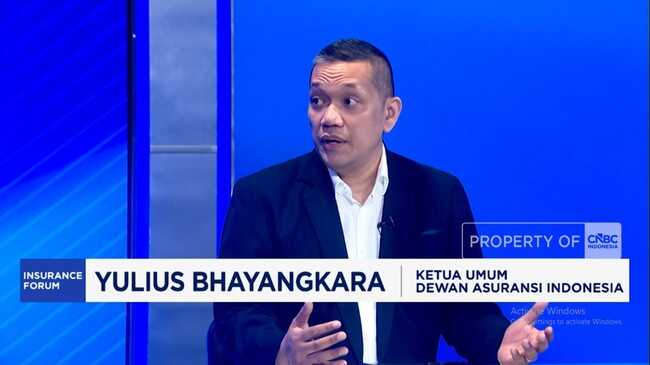
Yulius Bhayangkara, Chairman of the Indonesian Insurance Council (DAI), revealed that building public trust requires education and improved financial literacy regarding insurance products, particularly investment-linked insurance products (PAYDI) or unit-linked policies.
“Our society, for example, has a clear example with PAYDI products — they perceive it as savings, as investment. It is insurance that includes investment,” Bhayangkara stated during the Insurance Forum on “Optimising Insurance Protection and New Direction for Unit-Link Development in Indonesia” on 26 February 2026.
To improve financial literacy, the insurance industry must engage various stakeholders, including the Financial Services Authority (OJK), banks, and financial technology firms. Additionally, the industry needs to strengthen human resource competencies, particularly among insurance agents.
“We also request OJK’s assistance to ensure harmonisation. For example, legislation already mandates Liability Insurance. Currently, this hasn’t been implemented because we’re awaiting harmonisation. These are the cases we need, and human resource competencies and certifications are becoming increasingly stringent,” Bhayangkara explained.
Finally, the insurance industry must build an ecosystem with various stakeholders, including hospitals and capital markets. This ecosystem will strengthen the industry further.
“The key is strengthening the ecosystem. We are ready to collaborate with regulators and other industries. Essentially, because we believe that if the ecosystem fails at one point, others will be affected,” Bhayangkara concluded.