
Dadan Removed from Head of National Nutrition Agency, Dasco: Prabowo Listens to Public Aspirations
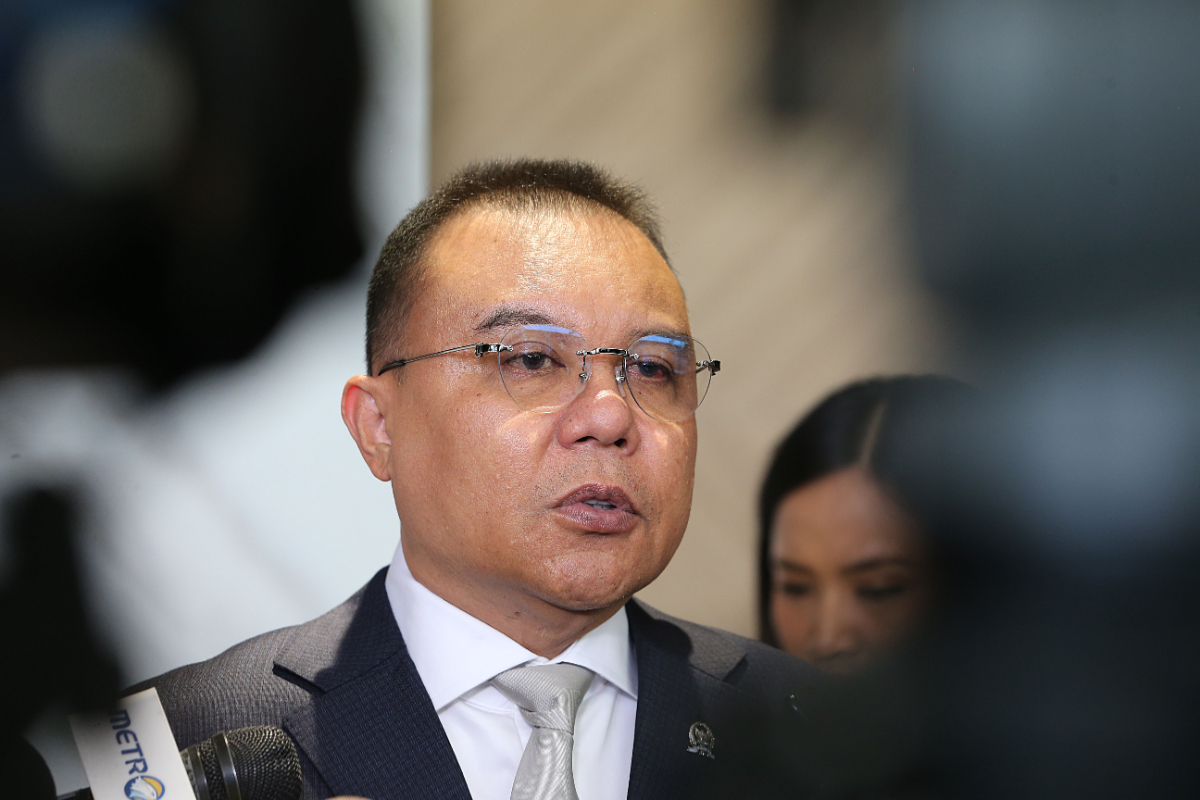
The Deputy Speaker of the House of Representatives (DPR RI), Sufmi Dasco Ahmad, has expressed appreciation for President Prabowo Subianto’s decision to conduct a thorough evaluation of the leadership within the National Nutrition Agency (BGN). This restructuring includes the removal of Dadan Hindayana from his position as Head of the BGN, alongside the replacement of two Deputy Heads of the agency.
Dasco noted that the President’s decision demonstrates a government that is responsive to input from the legislature, the public, and the beneficiaries of the Free Nutritious Meal (MBG) programme. “We certainly express our appreciation from the House of Representatives to the government for listening to the aspirations of the community and beneficiaries, as well as the results of cross-ministerial coordination and input from the DPR,” Dasco stated at the DPR Building in Senayan, Jakarta.
Regarding President Prabowo’s appointment of Nanik Sudaryati Deyang as the new leader of the BGN to replace Dadan, Dasco deemed the move highly appropriate. Based on monitoring by relevant technical commissions in the DPR, Nanik, who previously served as Deputy Head of the BGN, is known for her active field presence to ensure programmes meet required standards. “Ms. Nanik has performed extensive field work, conducting monitoring and even closing kitchens that did not meet the necessary requirements,” Dasco explained.
While the appointment of agency leaders remains the President’s prerogative, Dasco believes her track record serves as a strong foundation for her new leadership role. The Gerindra Party’s Daily Chairman emphasised that this structural reshuffle should serve as a momentum for self-improvement within the National Nutrition Agency. The DPR hopes that this change will not disrupt operational stability or the distribution of national nutrition services. Conversely, Dasco urged the new management to accelerate services, particularly for Indonesia’s remote, frontier, and outermost (3T) regions.