
Daa Malom Dance in Karangasem: A Sacred Ritual to Seek Fertility
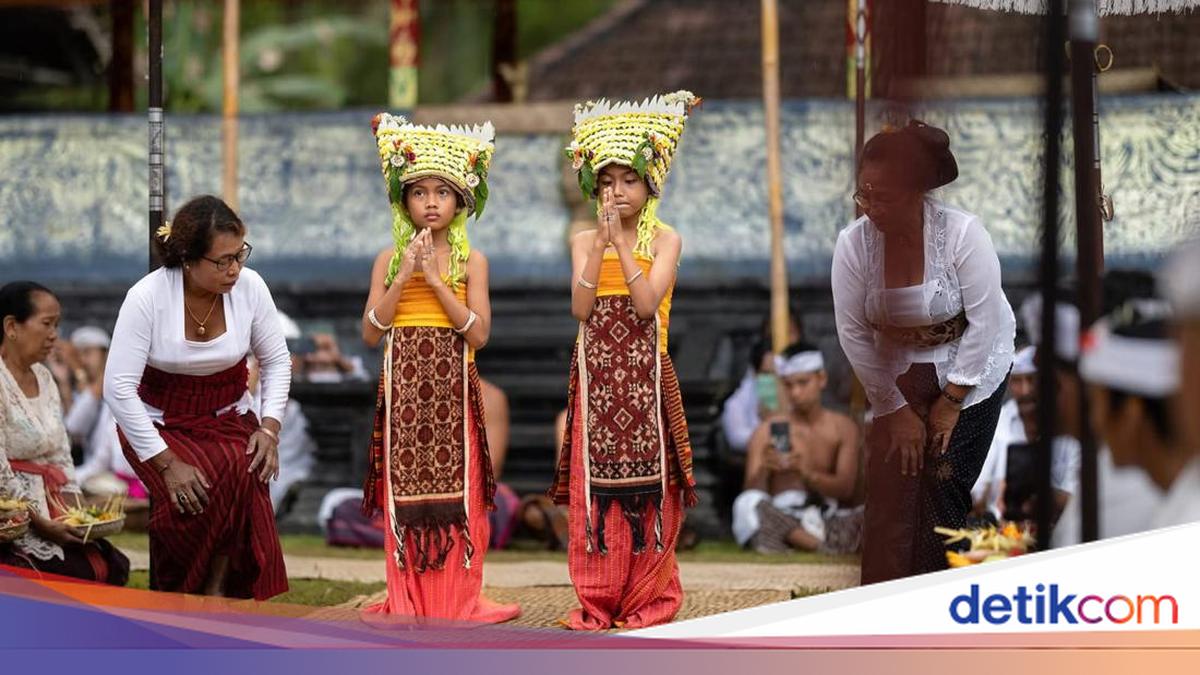
Daha Malom, also known as Daa Malom, is an artistic tradition associated with religious ceremonies in Karangasem, Bali. This sacred dance has been passed down through generations by the people of Ngis Traditional Village in Manggis sub-district, Karangasem regency.
Daa Malom has a number of distinctive features, from the special requirements for selecting its dancers and the use of consecrated traditional costumes to a performance process that cannot be undertaken casually. The tradition also carries profound ideas about purity, fertility and balance in community life.
Origins and history of Daa Malom
According to records held by Ceraken Kebudayaan Bali, Daa Malom is a sacred dance performed only as part of the Ngusaba Puseh ceremony. The people of Ngis Traditional Village believe it has an important role as an offering and as a means of making supplications to God.
Etymologically, the name Daa Malom consists of two words. According to Gautama’s 2009 Balinese-Indonesian dictionary, Daa or Daha means ‘woman’, while Malom derives from Lom, meaning ‘lush green’. The name can therefore be understood as referring to women and fertility.
The name is closely connected to the purpose of the tradition: seeking blessings of fertility and prosperity for Ngis Traditional Village. This reflects the fact that some residents depend on agriculture for their livelihoods.
Meaning and philosophy of Daa Malom
Behind its dance movements and traditional costumes, Daa Malom carries religious significance associated with appeals for fertility, prosperity and harmony in life.
The two Daa Malom dancers symbolise purusa (male) and pradana (female). They represent two different but complementary forces in life. Their union embodies the hope of bringing about fertility and balance.
A 2018 article in Pangkaja: Journal of Hindu Religion, entitled ‘Reflection and Deconstruction of the Theory of Binary Opposition in the Hindu Tradition of Balinese Society’, also discusses the Daa Malom dance in Ngis as a reflection of the union of the concepts of purusa and pradana. That union is connected with the appeal for fertility.
The performance also embodies the values of Tri Hita Karana, the three principles of harmonious relationships in Balinese life.
The first is parahyangan, a harmonious relationship between people and God, expressed through offerings and gratitude. The second is pawongan, harmony between people, reflected in the community’s involvement in the ceremony. The third is palemahan, harmony between people and the natural environment.
Daa Malom therefore represents not only a spiritual appeal for fertility but also a message about the importance of maintaining balance in life.
When and where Daa Malom is performed
The dance is performed once a year, on Purnama Sasih Kasa nemu Kajeng, when the full moon of Sasih Kasa coincides with Kajeng according to the Balinese calendar.
The performance forms part of the Ngusaba Puseh, or Aci Puseh, ceremony organised by the people of Ngis Traditional Village. The ceremony takes place during the dry season and is one of the community’s important religious events.
Daa Malom is performed in the natar, or courtyard, of Bale Agung at Pura Puseh in Ngis Traditional Village, Manggis sub-district, Karangasem regency. The performance usually takes place in the afternoon.
Special requirements for Daa Malom dancers
One of Daa Malom’s distinctive features is the selection of its dancers. The dance is performed by two unmarried girls who have not yet menstruated. Each represents one of the symbols, purusa and pradana.
Documentation from Ceraken Kebudayaan Bali lists several specific requirements for prospective Daa Malom dancers: they must not come from a family of village elders (penglingsir), must not have menstruated, must have no congenital physical disability or scars, and must never have been bitten by a dog.
These requirements are customary rules passed down through generations and reflect the importance of purity in the performance of Daa Malom.
The dance also has distinctive make-up and costumes. The dancers do not wear the facial make-up used by dancers generally. Instead, boreh is applied around the shoulders using a betel stem, forming the tapak dara, or plus-sign, symbol.
The costume is assembled in a complex arrangement. One requirement is that the kamen must cover both dancers’ legs so that they are not visible during the performance. The costume includes a gelung, traditional woven cloth and jewellery.
The gelung is a headdress made from bamboo skin. It is decorated with pelosor biu and various flowers, including jepun, medori, padang derman, pucuk bang, dausa, samuhan jahe, girang leaves and seroni.
The dancers’ garments consist of a red floral-patterned sinjang or tapih worn underneath, a red wastra on the outside, and a red anteng, or sash, with multicoloured stripes.
They also wear a red-and-yellow pepekek, or corset. The oncer colours differ between the dancers: red and pink for pradana, and red and yellow for purusa. The lamak they wear is blue.
The dancers’ accessories comprise two pairs of silver bracelets and 20 silver rings, with each dancer wearing 10 rings. They also wear ear ornaments made from palm-leaf ribs and decorated with pucuk bang flowers.
The Daa Malom performance
The performance follows several stages. Before it begins, the two dancers undergo a purification ritual by bathing at Beji Kangin. They then prepare and dress at Pura Jro Pasek.
Once they are ready, the dancers take part in the mendak tirta procession. One part of this stage takes place at Batu Lempeng before they enter the Pura Puseh grounds. The procession is part of the ritual accompanying the dancers’ arrival at the ceremony.
The village prajuru then change clothes at their respective temple residences. They enter Pura Puseh and proceed towards Bale Agung in a particular formation and with prescribed movements.
The two Daa Malom dancers enter Pura Puseh on foot and perform to the accompaniment of Selonding gamelan.
The movements include amusti karana, sembah tri kona, and hand gestures depicting a flower bud opening into bloom before being waved towards the right shoulder or behind the body.
The dance is accompanied by a set of Selonding gamelan tuned to the pelog saih pitu scale, playing Tabuh Daa. The combination of movement and traditional music is a defining feature of the performance.
At a later stage, the two dancers receive blessings in turn from the four village prajuru. When the ritual sequence is complete, they leave the Pura Puseh grounds carried by saya. The source does not explain what saya refers to.
As a tradition passed down through generations, Daa Malom is an important part of the cultural identity of Ngis Traditional Village.
Its preservation depends not only on continuing to stage the dance, but also on safeguarding the knowledge, customary rules, costumes and associated equipment.
The Bali Cultural Preservation Centre has undertaken measures including inventorying, recording, official designation and documentation through photographs and video. In 2024, Daa Malom was designated Indonesian Intangible Cultural Heritage. The recognition affirms the tradition’s cultural value and the importance of ensuring its continuity in Ngis Traditional Village.
Source: jawawa.id (https://jawawa.id/newsitem/daa-malom-dance-in-karangasem-a-sacred-ritual-to-seek-fertility-1795672238)
Originally published by detikBali (https://www.detik.com/bali/budaya/d-8770678/tari-daa-malom-di-karangasem-ritual-sakral-untuk-memohon-kesuburan), translated from Indonesian