
Cyclone Senyar Triggers Landslides, Wipes Out 7% of Tapanuli Orangutan Population
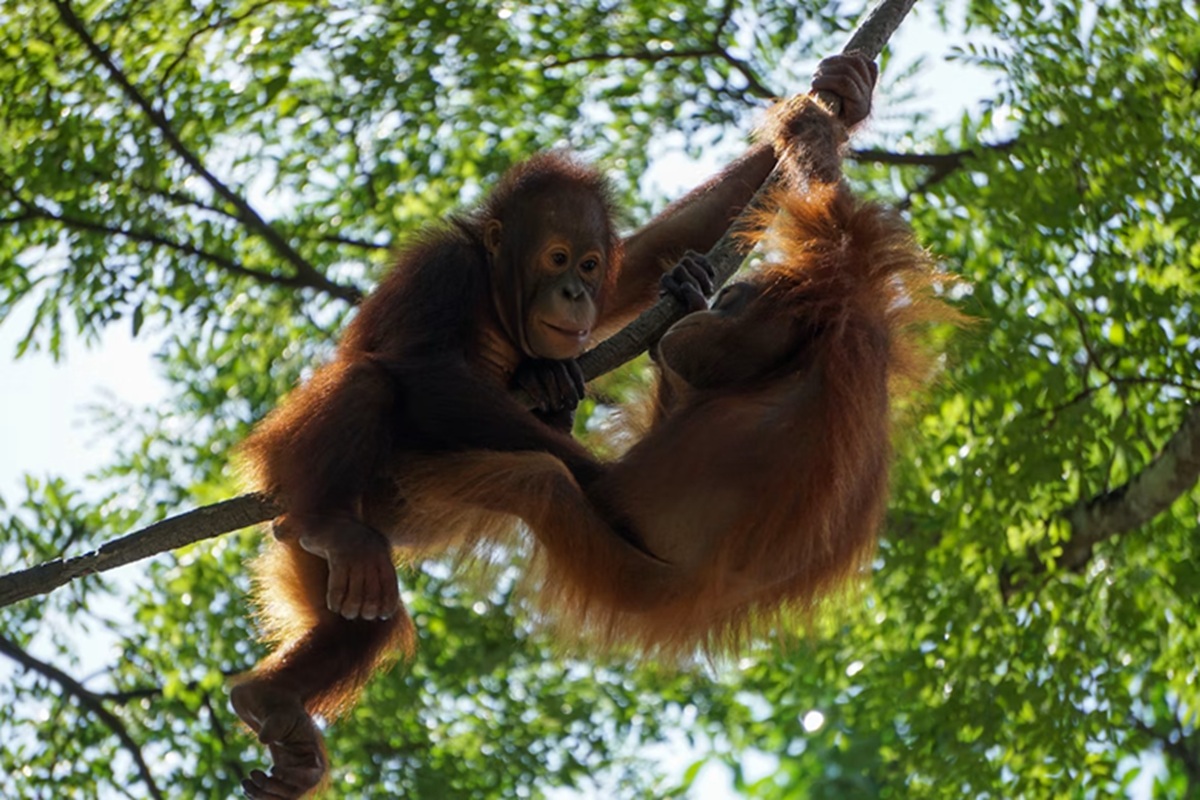
Global climate change is no longer a future prediction but a deadly threat unfolding in the present. A recent study published in the journal Current Biology reveals a horrifying impact of extreme weather on Indonesia’s wildlife. Cyclone Senyar, a rare tropical cyclone fuelled by climate change, reportedly wiped out approximately 7% of the total Tapanuli orangutan (Pongo tapanuliensis) population in just four days.
The Tapanuli orangutan, only identified as a separate species in 2017, is endemic to the Batang Toru ecosystem in North Sumatra. Based on 2019 data, the entire species was estimated at just 767 individuals, with 581 inhabiting the forest’s West Block area.
When Cyclone Senyar struck, it brought extreme rainfall exceeding 500 millimetres over a few days. This massive precipitation triggered devastating landslides across an 8,303-hectare area that serves as the primary habitat for these great apes. Researchers identified more than 50,000 landslide points or ‘scars’ on the landscape, causing the forest canopy to collapse suddenly. As a result, an estimated 58 Tapanuli orangutans are believed to have died, either buried alive, suffering trauma from falling trees, or drowning in debris flows.
The scientists involved in the study issued a stark warning about the emergency. They noted that the high density of landslides on steep slopes, which caused canopy collapse and debris flows into drainage networks, combined with the limited opportunity for the apes to escape through the trees during the rapid slope failures, made death by burial, trauma, or drowning highly likely.
This loss is a severe blow to the species’ survival. Orangutans have an exceptionally slow reproductive cycle, with females giving birth only once every six to nine years. This biological trait makes them highly vulnerable and unable to recover quickly from sudden population declines.
Beyond the immediate fatalities, long-term damage to the topsoil threatens the food supply for surviving orangutans. With the destruction of the mycorrhizal fungi networks that nourish plants, experts estimate it will take five to ten years for fruit trees and foliage to regenerate. This forces the remaining great apes to migrate to high-altitude areas with scarce food or to narrower forest patches, increasing internal competition and future mortality risks.
Source: jawawa.id (https://jawawa.id/newsitem/cyclone-senyar-triggers-landslides-wipes-out-7-of-tapanuli-orangutan-population-1781679071)
Originally published by Media Indonesia (https://mediaindonesia.com/humaniora/901276/siklon-senyar-picu-longsor-7-populasi-orangutan-tapanuli-musnah), translated from Indonesian