
Cycling is no longer just a sport, but has become a lifestyle
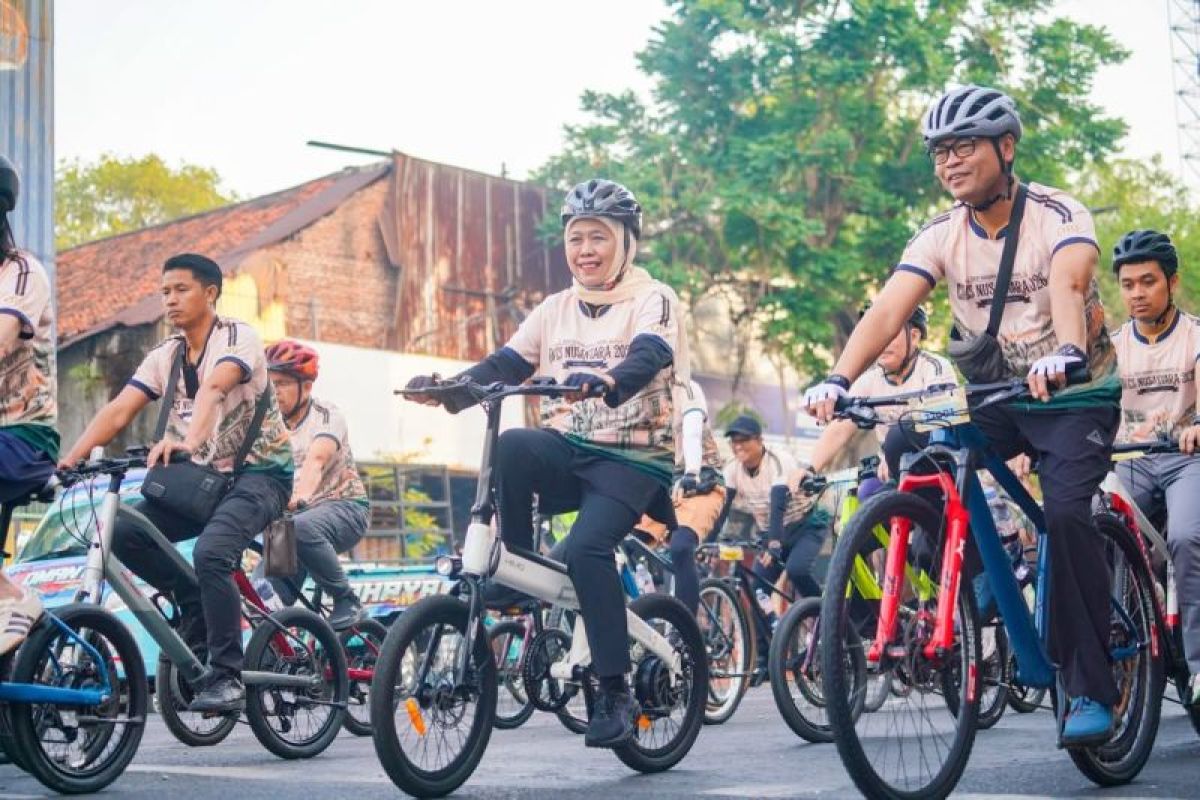
Cycling has long been viewed primarily as a sporting activity to maintain fitness. However, in recent years, cycling has evolved into much more than just a tool for exercise.
In various cities, bicycles are becoming part of daily life. Some use them to commute to work, traverse the city, participate in communities, or simply seek a change of scenery on the weekends. This shift has seen cycling gradually develop into a lifestyle. Cycling is no longer just about how far one can pedal, but also about community, experience, and how one enjoys urban spaces.
One aspect making the cycling world increasingly interesting is the emergence of various communities with different characters. There are communities that routinely undertake morning trips, groups that choose to cycle to the office, and communities that combine cycling with social and environmental activities.
During the 2026 World Bicycle Day celebrations, for instance, the Bike to Work (B2W) Indonesia community once again campaigned for the use of bicycles as an alternative mode of transport. The event also served as a meeting space for cyclists to strengthen communities while encouraging more sustainable transport usage.
This means that cycling is not always a solitary endeavour. For some, this activity is a way to meet new people and build social circles based on shared interests.
Beyond sport: The flexibility of the bicycle is another reason it is becoming more integrated into lifestyles. Bicycles can be used for sport, recreation, or daily mobility. One does not have to wait for the weekend or go to a gym to start being active.
The Health Development Policy Agency of the Ministry of Health notes that casual cycling is an example of moderate-intensity physical activity. For adults, moderate-intensity physical activity is recommended for at least 150 to 300 minutes per week. Thus, cycling can be integrated into daily routines without always being viewed as a dedicated exercise session.
For example, an individual might choose to use a bicycle for short distances before continuing with activities such as work, university, or meeting friends. Physical activity thus becomes part of a routine rather than something that must always be carved out of a specific schedule.
In large cities, issues such as congestion, travel costs, and air quality make discussions regarding alternative transport increasingly relevant. The Jakarta Provincial Government, for instance, continues to encourage the use of environmentally friendly transport through various public space activities. One such initiative is Car Free Day (CFD), which provides space for the public to walk and cycle.
In 2026, the Jakarta Provincial Government also expanded the implementation of CFD to the H.R. Rasuna Said area. This step is intended not only as a space for exercise but also as part of an effort to promote healthier and more environmentally friendly mobility.
On the other hand, communities like B2W demonstrate that bicycles can also serve as a means to reach the workplace. Therefore, cycling does not always have to be synonymous with morning exercise or weekend activities.
Interestingly, the development of the cycling world has also given birth to its own culture. The type of bicycle, equipment, clothing, chosen routes, and meeting points can become part of a community’s identity. Social media further strengthens this phenomenon, as cycling experiences can be easily shared through photos, videos, or travel logs.
Many cyclists now turn their journeys into content. The routes taken, eateries visited after cycling, and the scenery along the way can all become experiences shared with others. Phenomena such as ‘Strava Art’ also demonstrate how digital technology intersects with cycling culture. In 2026, competitions using cycling routes to form images on the Strava app even became part of cycling community activities in Indonesia.
A bicycle is ultimately more than just an object used to move from one place to another; it has become a medium for expression and creating experiences. The development of the cycling world is no longer solely focused on competitive sports.
In the 2026 Mobility & Bike City forum, the Union Cycliste Internationale (UCI) discussed several issues showing the expanding role of cycling, ranging from cycle tourism and urban strategies to promote cycling, road safety, and the impact of cycling on local communities and economies. This indicates that global cycling trends are intersecting with many different fields.
Cycling can be part of sport, tourism, transport, health, the environment, and even urban space development. In Indonesia, similar developments are visible in the increasing diversity of community activities. Cycling can take the form of touring, commuting, recreation, social activities, or simply exploring the city atmosphere.
Perhaps that is why cycling can endure as a lifestyle. There is no single way to enjoy it. Some enjoy the sensation of sport and long-distance challenges; some prefer a leisurely ride with friends; others use the bicycle as a daily transport choice.
The World Health Organization (WHO) places walking and cycling as part of active mobility that can provide benefits to health, the environment, and community life. With these various options, the bicycle ultimately holds a different meaning for every individual.
Source: jawawa.id (https://jawawa.id/newsitem/cycling-is-no-longer-just-a-sport-but-has-become-a-lifestyle-1789912706)
Originally published by Antara (Indonesian) (https://www.antaranews.com/berita/5750171/bersepeda-bukan-cuma-olahraga-kini-jadi-bagian-gaya-hidup), translated from Indonesian