
Cycling culture in Indonesia: From a mode of transport to a lifestyle
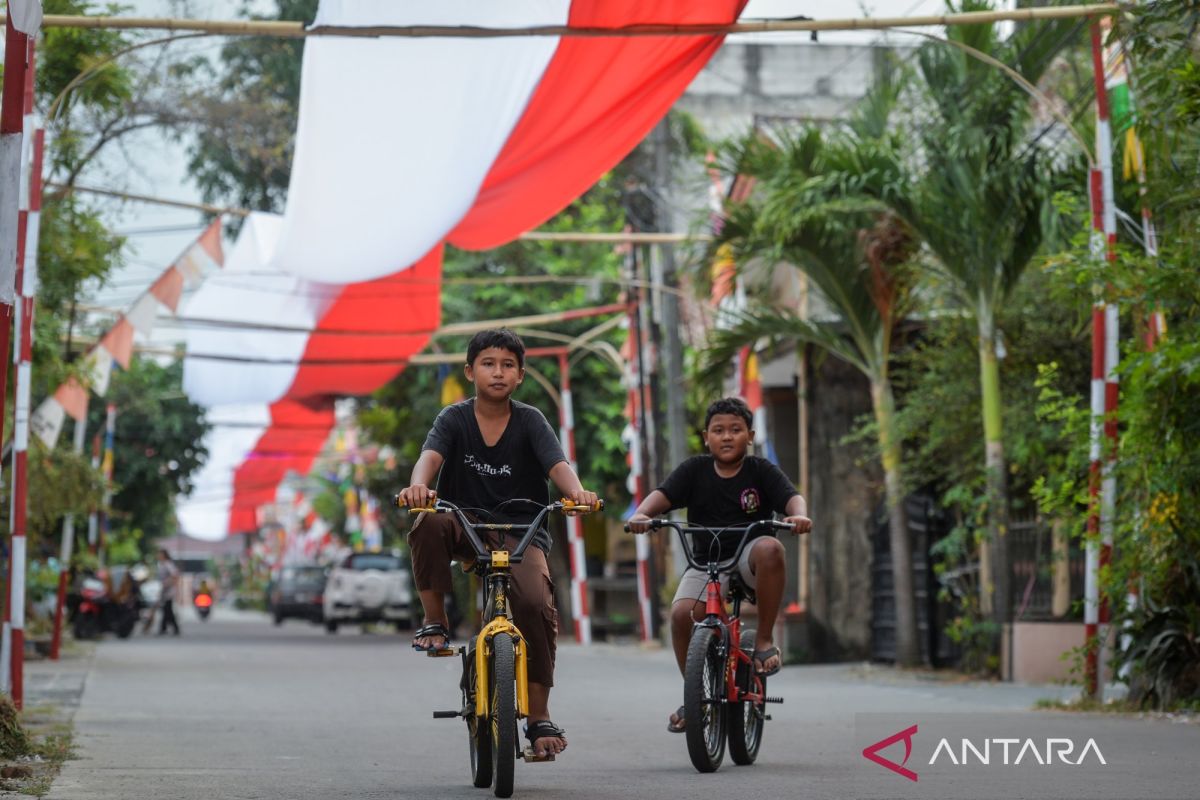
Cycling in Indonesia is not a new habit. Long before the term ‘gowes’ became popular on social media and cycling became a lifestyle trend, bicycles were already a primary mode of transport for the public.
However, the way society perceives bicycles continues to change. While bicycles were once used mainly for commuting, cycling activities have now expanded into sports, recreation, socialising, and even a part of community identity. This development has made the cycling culture in Indonesia increasingly diverse, ranging from commuters using bikes for work to long-distance touring groups, social activity organisers, and casual riders.
Bicycles have a long history as a mode of transport in Indonesia. In several regions, bicycles were once the preferred choice for travelling due to being practical and not requiring fuel. With the arrival of the motorised vehicle era, the use of bicycles for daily transport faced changes, yet the culture did not disappear. In the early 2000s, movements such as Bike to Work Indonesia (B2W Indonesia) helped reintroduce the bicycle as an urban transport mode, a mission that remains active today.
As interest in cycling grows, communities have become a vital part of the scene. Cyclists no longer need to ride alone; they can join groups based on bicycle types, residential areas, trip objectives, or riding styles, including road bikes, mountain bikes, folding bikes, fixie bikes, and bike-to-work groups. This variety makes the Indonesian cycling culture quite colourful, with communities organising everything from casual rides and touring to social activities and out-of-town trips.
Previously, cycling success might have been measured by distance or speed. Now, the experience of the journey is equally important. Some riders choose routes with scenic views or seek out new paths, while others use cycling trips as an opportunity to stop at eateries, enjoy coffee, or meet other communities. In other words, ‘gowes’ does not always aim for specific athletic performance; the journey itself becomes the experience.
This trend is also evident in the growth of activities combining cycling with tourism. For instance, the Fun Bike Tanjung Lesung in Pandeglang, Banten, attracted hundreds of participants on an 18-kilometre route, designed as an annual sports tourism agenda to support local destinations and MSMEs.
Cycling culture has also been transformed by social media and digital applications. Cyclists can now record routes, distances, speeds, and various trip data via apps, with their routes even becoming social media content. An interesting phenomenon is ‘Strava Art’, where riders design routes to form specific images on digital maps. This trend was showcased in a Strava Art competition held to mark the 21st anniversary of B2W Indonesia.
The growth of the cycling community has also brought discussions regarding road space. More people using bicycles means a greater need for safe facilities, such as cycle lanes, bicycle parking, and connections to public transport. In Jakarta, this remains a subject of debate. In August 2026, the Jakarta Provincial Government stated it was still receiving input from communities regarding the condition and management of cycle lanes, acknowledging issues such as disconnected, poorly maintained, or obstructed lanes.
Meanwhile, B2W Indonesia has urged that existing cycle lanes be connected to residential areas, offices, and transit stations, while also pushing for better supporting facilities. These discussions demonstrate that cycling culture does not just grow within communities but directly intersects with urban design. The development of the cycling scene is also bringing the activity closer to the tourism industry, as various regions view cycling communities as potential drivers for visitors through routes spanning tourist areas, rural landscapes, mountains, and coastal destinations.
Source: jawawa.id (https://jawawa.id/newsitem/cycling-culture-in-indonesia-from-a-mode-of-transport-to-a-lifestyle-1789952152)
Originally published by Antara (Indonesian) (https://www.antaranews.com/berita/5750444/kultur-sepeda-di-indonesia-dari-alat-transportasi-hingga-gaya-hidup), translated from Indonesian