
Cyberattacks and AI on the Rise: King Charles III’s Warning
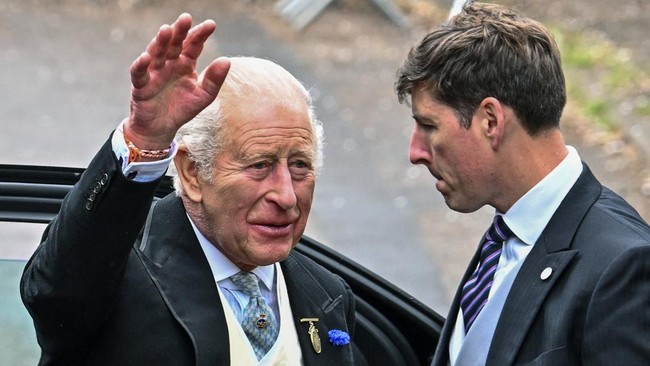
King Charles III has warned that disinformation and other malicious online activity threaten public trust and security in the digital age. He said cybercriminals are continually developing their tactics by taking advantage of automated technology.
According to the BBC, Charles made the warning in a letter to the National Cyber Security Centre (NCSC) to mark the UK cybersecurity agency’s tenth anniversary.
In the letter, published by the NCSC on Saturday, he stressed the importance of strong cybersecurity in addressing threats to the international order and balancing the risks and opportunities presented by emerging technologies.
“From threats to our international order to the need to balance the risks and opportunities of powerful new technologies, strong cybersecurity is essential to making the online environment safer and more resilient,” Charles wrote.
Charles also praised the NCSC’s achievements over the past decade in protecting the UK from cyberattacks, safeguarding democratic institutions and securing the critical infrastructure that underpins everyday life. He said the centre had strengthened resilience across public services, businesses and communities, helping people thrive as the digital world changes.
The King acknowledged that much of the NCSC’s work could not be made public or openly recognised. He expressed his deep gratitude for the agency’s efforts to protect the UK’s digital security.
The NCSC was established in 2016 as part of the Government Communications Headquarters (GCHQ), the UK’s signals intelligence agency, with a mandate to protect the country from cyber threats. It plays a role in strengthening digital defences amid rising threats to public institutions, businesses and the public.
Charles’s warning came after the NCSC offered assistance this week to online retailer Asos following a hack that exploited the company’s app system. The BBC reported that hackers used the system to send pop-up notifications that could have reached millions of users on Tuesday.
Asos said it was investigating unauthorised activity involving a third-party platform. The company also warned customers that hackers were believed to have detailed profiles of millions of users, including their names, addresses, telephone numbers, email addresses, customer numbers and dates of birth.
Asos’s latest statement followed a BBC News report that the broadcaster had been contacted by cybercriminals claiming the data exposed in this week’s incident included more than basic contact details. Asos had previously said some basic customer information might have been accessed by unauthorised parties.
Beyond the threat of cyberattacks, Charles also highlighted the risks posed by artificial intelligence (AI) if the technology falls into the wrong hands. Last month, he warned AI company executives about the potential existential dangers the technology could create.
He issued the warning during a meeting with AI industry executives at Dumfries House in Ayrshire last month, where they discussed using the technology to support security. He also met Nvidia chief executive Jensen Huang, amid growing concern about the rapid development of advanced AI models and the need to regulate their use.
Charles said some people in the technology industry had begun warning that AI could develop dangerous capabilities, including ones that could threaten lives.
He said there was an urgent need to consider seriously the existential risks if the technology fell into the wrong hands and was used for potentially catastrophic purposes.
In Charles’s view, technological development should not focus solely on innovation, but must also ensure that technology continues to serve people, communities and the natural world. His warning underscores the importance of stronger cybersecurity and oversight of technological development as the risk of misuse grows in the digital age.