
Cyber Threats Growing More Real, A Secure Digital Lifestyle Has Become a Priority
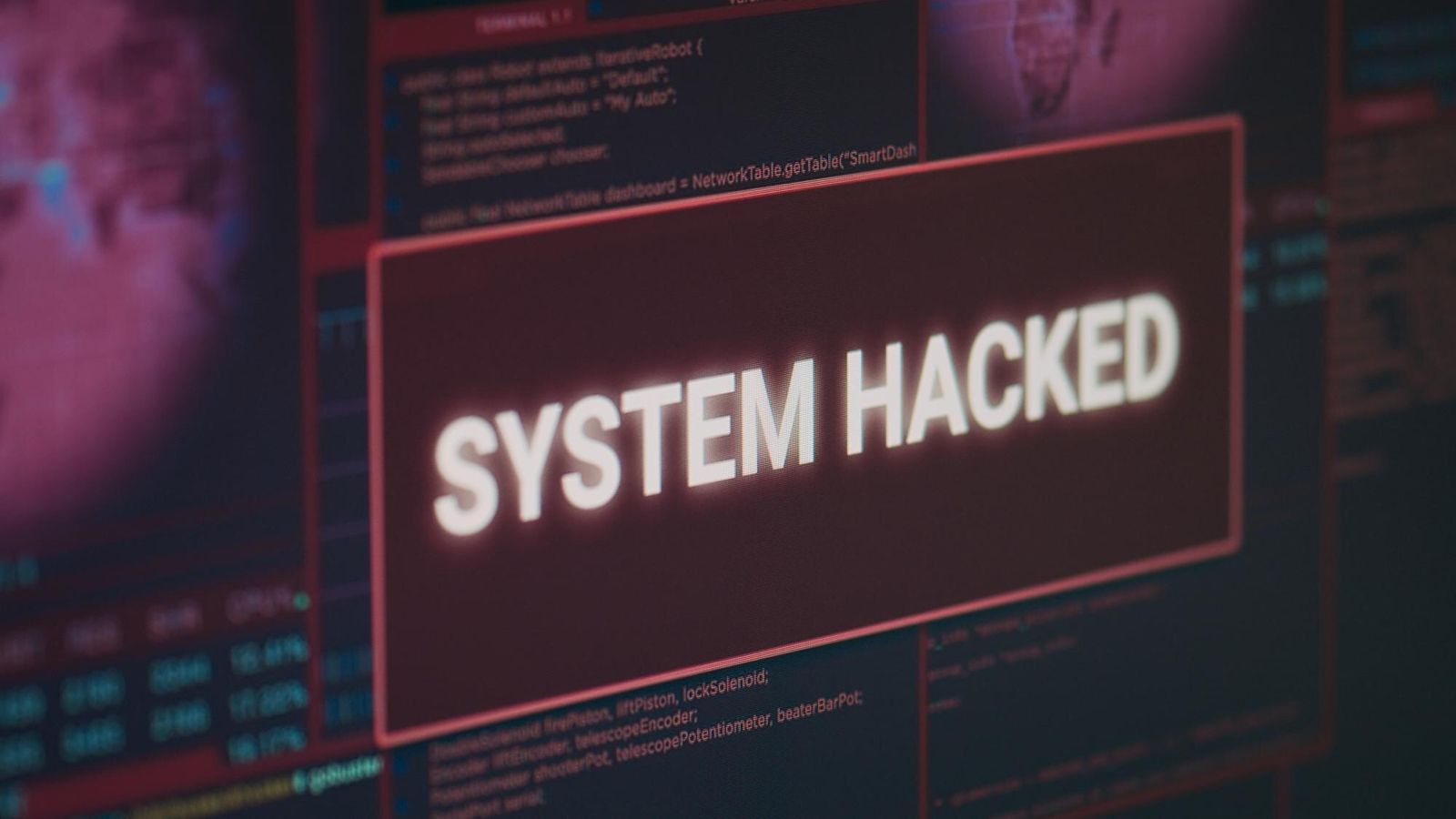
Developments in digital technology are making people’s activities increasingly dependent on devices and the internet. From working, studying, shopping, to conducting financial transactions, almost all activities can now be performed via digital devices. Behind these conveniences, new challenges have emerged, notably cyber threats.
Cyber threats today are no longer limited to large-scale hacking incidents targeting corporations or government institutions. In daily life, people can also become targets of various forms of cybercrime such as phishing, malware, data theft, and ransomware. Even simple actions like opening emails from unknown senders or clicking certain links can be entry points for these threats.
The pattern of cyberattacks is also changing as new technologies, including artificial intelligence (AI), evolve. Previously digital threats tended to use methods that were easier to recognise; now cybercriminals are exploiting AI to increase the scale and effectiveness of attacks.
Edwin Putraoetama Octosa, President Director of PT FPT Metrodata Indonesia, said the nature of digital threat patterns today does not always appear directly on a large scale. He said many attacks start from a small vulnerability before developing into more serious disruptions. “Attacks usually do not happen immediately on a large scale, but begin at a single point first. For example, devices infected with malware, then spreading to other systems,” he said at the launch of a digital security solutions event in Jakarta.
He explained that digital security approaches are beginning to shift. Previously, many sectors only took action after incidents occurred. But now, the ability to detect threats earlier is increasingly needed. “What we are doing is changing the approach from reactive to proactive,” he said.
This phenomenon shows that digital security is gradually becoming part of everyday life for the public. Not only large companies, but individual users are also increasingly paying attention to how to protect devices and personal data stored on them.
Juliana Cen, President Director of HP Indonesia, also noted that technological development and high levels of digital activity have increased the need for cybersecurity. She said, “We can see that the potential for cyber attacks is quite large. Moreover now with AI, the potential threats are also increasing.” According to her, digital devices today are no longer merely tools to support activities, but also stores a wealth of important information—from work data and personal documents to access to financial services—on a single device used daily.
This condition is changing awareness of digital security. If previously device protection was seen as an added feature, today people view it as an inseparable part of digital activity.
In the face of rising cyber threats, simple habits such as using stronger passwords, regularly updating device systems, enabling extra security protections, and being more careful when opening links or attachments are becoming increasingly important.
This change shows that digital security is no longer just about technology. In an era of increasing connectivity, safeguarding personal data and devices is gradually becoming part of the lifestyle of modern society.
Indonesia already has a legal framework through Law Number 11 of 2008 on Information and Electronic Transactions and its amendments.
The rise of cybercrime, including phishing and social engineering, is driving banks to strengthen their security systems, underscoring the broader need for robust cybersecurity nationwide. Digital crime is forecast to rise significantly through 2025, highlighting the importance of serious attention to national cyber security.