
Cyber expert: MPLS posts should only contain necessary information
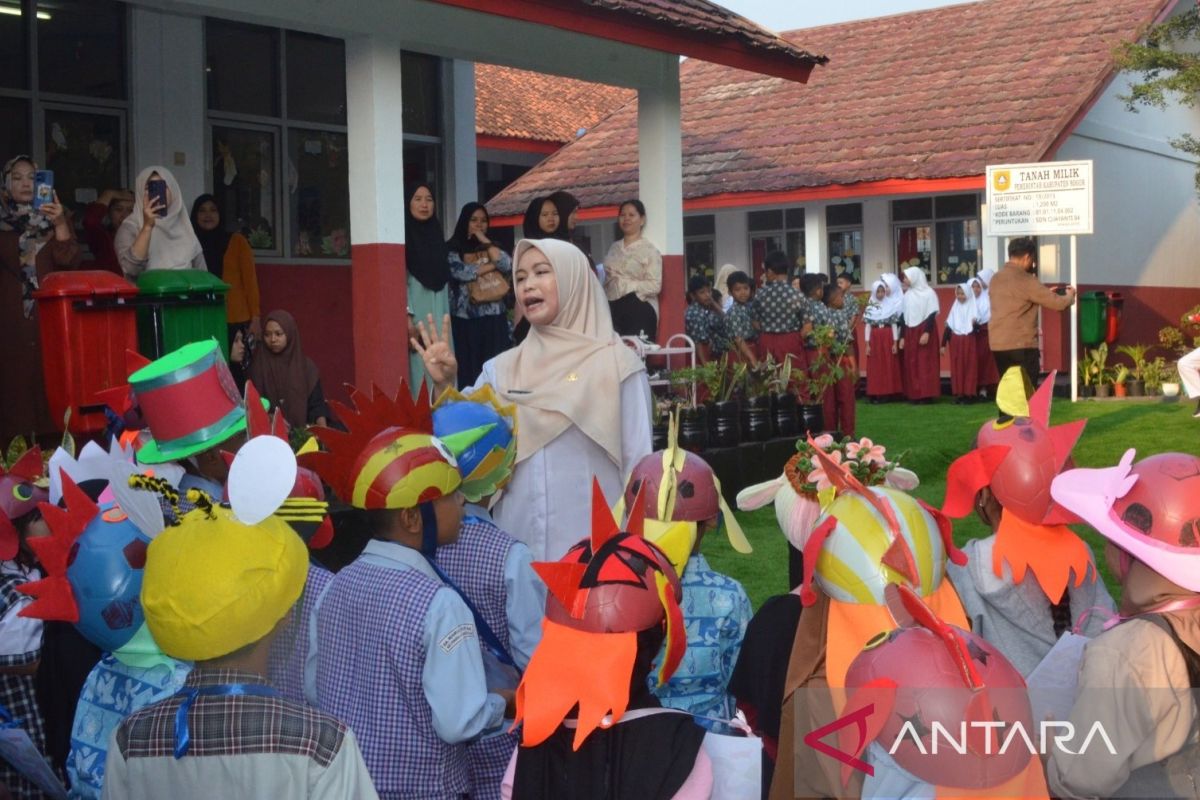
Jakarta (ANTARA) - Cybersecurity observer Pratama Persadha has reminded students, parents, and schools to limit the information displayed in Masa Pengenalan Lingkungan Sekolah (MPLS) posts on social media to reduce the risk of personal data misuse.
Pratama, when contacted by ANTARA in Jakarta on Saturday, said that social media posts related to new students’ MPLS can still be used as a means of introducing oneself and showing pride in a new school, but the information shared should only be what is truly necessary.
“The principle that needs to be applied is sharing information sufficiently according to need, not as much as possible. In cybersecurity, the principle of data minimisation is recognised, which means only sharing data that is truly necessary,” said Pratama, chairman of the cybersecurity research institute CISSReC.
Conversely, he reminded students not to upload more detailed personal data such as full names as per identity documents, home addresses, telephone numbers, personal email addresses, full dates of birth, National Identity Numbers (NIK), National Student Identification Numbers (NISN), identity QR codes, or information about family members.
According to him, such information can be exploited by irresponsible parties for various forms of digital crime, ranging from fraud to identity theft.
In addition to limiting the information shared, Pratama also urged students and parents to utilise the privacy settings on social media accounts so that posts can only be accessed by people they know.
He assessed that digital literacy education needs to be provided from an early age because children and teenagers are increasingly active in using social media, yet do not fully understand the long-term consequences of the digital footprint they have published.
“Information that has been published on the internet is not always easy to delete completely and can be used by other parties beyond the original purpose when the data was shared,” he said.
Parents also have an important role in getting children accustomed to thinking carefully before uploading information to the internet.
According to Pratama, social media posts about MPLS are not something that need to be avoided, but such activities must be accompanied by adequate digital literacy so that students can still participate without sacrificing the security of their personal data.
“The less personal information published in the digital space, the smaller the chance that data will be exploited by cyber criminals,” said Pratama.