
CV Fajar Sinar Berkah Officially Receives NPPBKC Licence from Customs and Excise
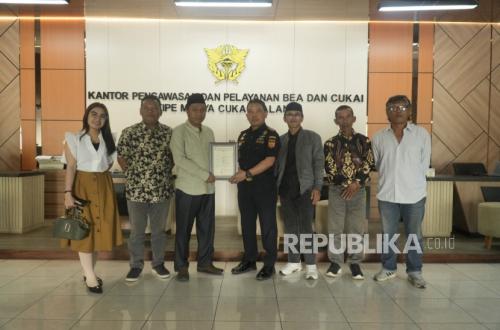
MALANG – CV Fajar Sinar Berkah, a tobacco products manufacturer, has officially obtained a Nomor Pokok Pengusaha Barang Kena Cukai (NPPBKC) licence from the Malang Customs and Excise Office on Thursday (2/7/2026). The NPPBKC is a mandatory licence for business actors who produce, store, import, distribute, or sell excisable goods. Head of the Malang Customs and Excise Office, Johan Pandores, stated that the licence was officially granted after the company’s representatives presented their business processes before the Head of Office and the NPPBKC team at Bea Cukai Malang. “The NPPBKC business process presentation is a crucial stage where prospective entrepreneurs present their company’s operations to Customs and Excise. The aim is to convince Customs and Excise that the company understands and is ready to comply with all applicable excise regulations before the licence is issued,” Johan said in a statement on Tuesday (14/7/2026). The event was attended directly by the director and team of CV Fajar Sinar Berkah. The company representatives thoroughly presented the business processes to be carried out, ranging from the production flow, raw material procurement, and administrative systems, to the monitoring and compliance mechanisms for excise provisions. Subsequently, the Head of Office and the team conducted comprehensive research and in-depth analysis of all aspects presented to ensure the company’s readiness in meeting the requirements as a tobacco products manufacturer. Based on the results of the research, CV Fajar Sinar Berkah was declared to have met the provisions and successfully obtained the NPPBKC. “This achievement is expected to be the first step for the company to conduct its business in an orderly manner, comply with regulations, and contribute to state revenue through the excise sector. Furthermore, this activity is expected to encourage the growth of a legal, healthy, and competitive tobacco products industry,” concluded Johan.