
Customs reveals factors behind thousands of containers piling up at Tanjung Priok
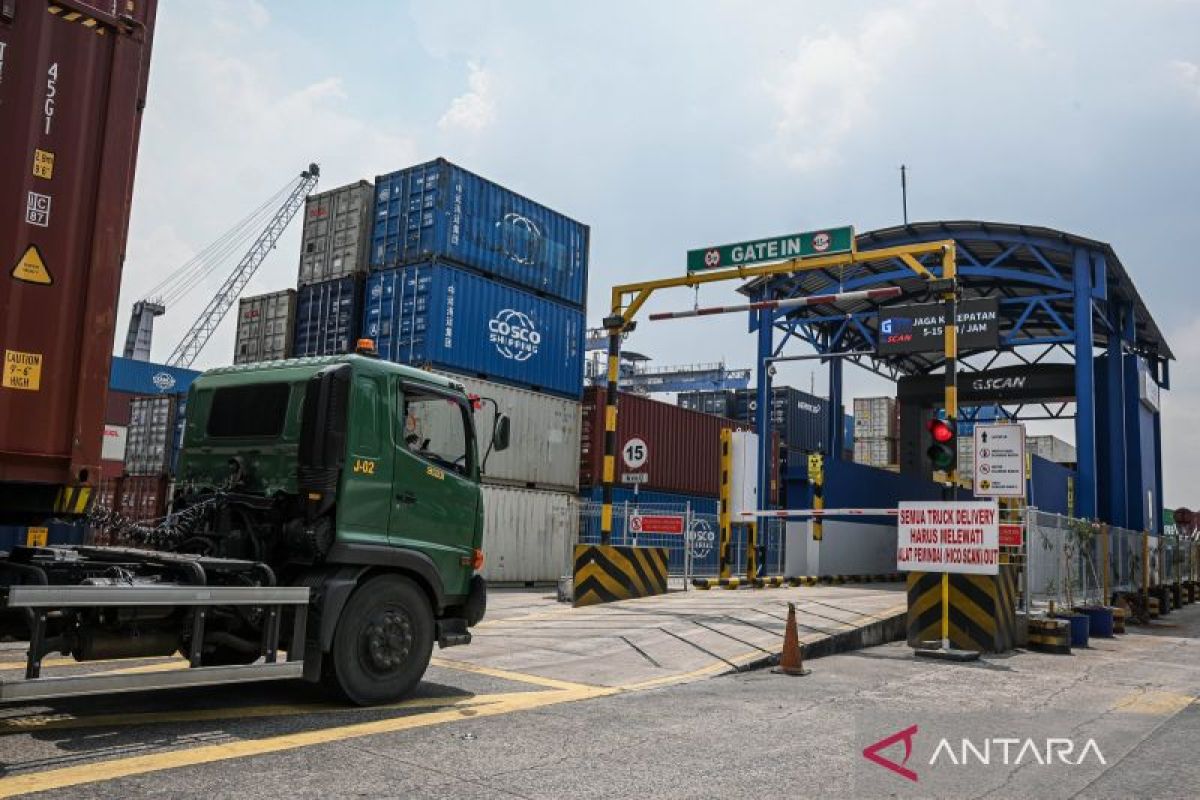
The Directorate General of Customs and Excise (DJBC) at the Ministry of Finance has revealed that the primary factor behind the reported pile-up of thousands of containers at Tanjung Priok Port in Jakarta is that importing companies are not promptly removing their goods from the destination port. Director General of Customs Djaka Budhi Utama, speaking during a working meeting with House of Representatives Commission XI at the Parliamentary Complex in Senayan, Jakarta, on Monday, said the backlog is not due to customs administrative processes, but rather because importers are failing to immediately take delivery from the port. “The presence of Customs as the frontline at the port during goods entry and exit services is already in line with the standards expected nationally,” Djaka said. “However, once these containers have undergone goods release, a pile-up still occurs because the operators do not promptly carry out the removal,” he added. He disclosed how a number of companies or automotive manufacturers are taking advantage of facilities to leave their imported goods inside the port area for three days without immediate removal. “For example, BYD and then Wuling are still utilising the facilities provided by the port for three days after the Goods Release Approval Letter (SPPB) is issued, and even for more than two weeks they do not lift them out. Yesterday there were nearly 10,000 containers still at the port,” Djaka explained. In response, the DJBC has also undertaken enforcement measures to compel the importing companies not to leave goods piled up for long periods at the port, disrupting dwelling time. “So we are compelling these companies to carry out the removal from the port area as quickly as possible,” Djaka said. “From the customs side, their administration is already complete; what they have not finished is the removal from the port.” He assessed that companies are leaving their goods at the port for extended periods due to cost considerations, which may be cheaper than placing the imported goods outside the port. “Given that the cost is cheaper than outside, they are taking advantage of that facility. Perhaps going forward we will soon push them to line 2 at locations outside the port,” Djaka stated.