
Customs: Mineral Downstreaming Affects Papua's Trade Balance
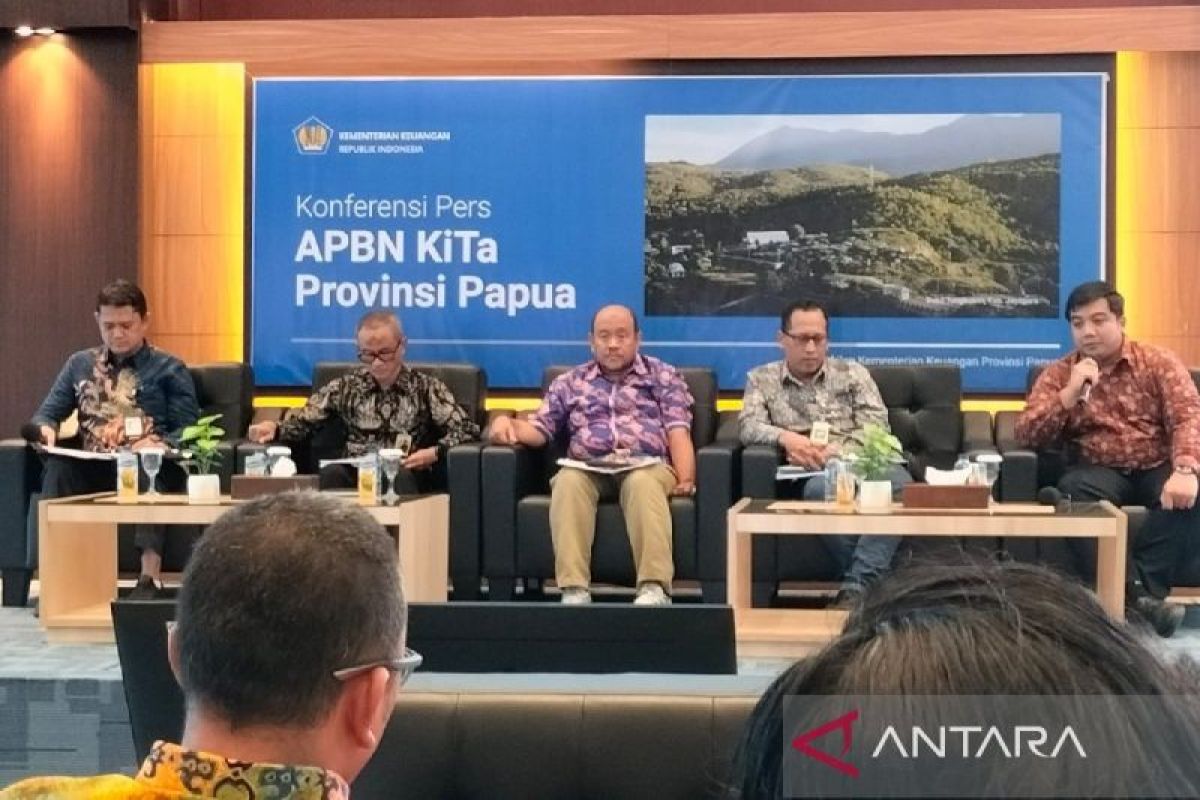
The Jayapura Type Madya Pabean C Customs and Excise Supervision and Service Office (KPPBC) has stated that the mineral downstreaming policy and an increase in mining equipment imports are the main factors affecting Papua’s trade balance up to May 2026.
Head of the Internal Compliance and Outreach Section at KPPBC TMP C Jayapura, Eston Erlangga, said in Jayapura on Friday that the trade balance in Papua still recorded a deficit because the value of imports was far greater than the value of exports during that period.
“The trade deficit occurred due to an increase in the value of imports, while the value of exports experienced a decline due to changes in the pattern of copper concentrate exports,” he said.
According to Eston, the increase in imports was triggered by the need for materials and heavy equipment to support the repair of PT Freeport Indonesia’s underground mine area following a wet material landslide incident.
“This condition has driven up the import activity of capital goods and industrial supporting materials,” he stated.
He explained that, on the other hand, export revenue declined because PT Freeport Indonesia no longer exports copper concentrate directly abroad. All concentrate production is now sent to the smelter facility in Gresik, East Java, as part of the mineral downstreaming policy implemented by the government.
“Although this condition suppresses regional export performance in the short term, downstreaming is expected to increase the added value of mineral products domestically, thereby providing greater economic benefits in the future,” he added.
He further noted that Papua’s export commodities are currently dominated by processed wood, semi-processed wood, and a number of household products from areas under the supervision of Jayapura Customs.
“Meanwhile, the largest import commodities up to May 2026 are still dominated by oil and its derivatives, heavy equipment for the mining sector, and industrial machinery. In our view, this import structure indicates that most of the incoming goods are raw materials and capital goods that support production activities,” he said.