
Customs ensures medical equipment exiting Batam meets FTZ requirements
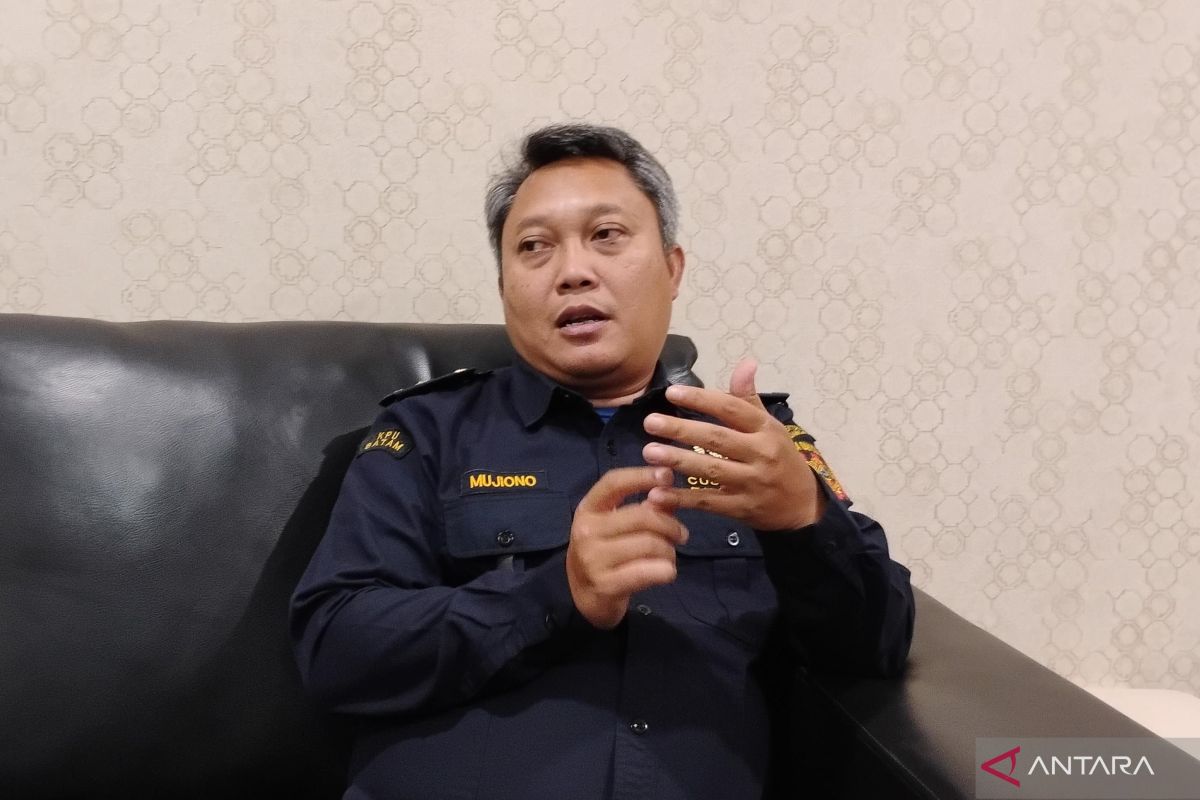
Batam Customs, Riau Islands, has ensured that the release of medical devices and health goods from the Batam Free Trade Zone (FTZ) must meet administrative requirements and recommendations from relevant authorities.
Syahri Mujiono, Head of the Information Services Section at Batam Customs, stated that delays in goods clearance generally occur because the necessary documents or recommendations have not yet been received by field officers.
“Regarding the delay in service, there are usually specific requirements needed, but they may have been late in being communicated to us. Consequently, field officers have not yet received recommendations from the relevant agencies,” Mujiono said in Batam on Tuesday.
Batam Customs issued this response to clarify the delay in the release of contraceptives being sent from Batam to other areas in the Riau Islands, such as Karimun and Bintan.
Mujiono stated that importers must ensure all required documentation is complete before goods are submitted for clearance from Batam. He noted that Customs officers cannot make decisions to release goods if supplementary documents are unavailable, as the movement of goods out of the FTZ is subject to specific regulations.
“Batam is a Free Trade Zone (KPBPB), where goods within Batam are intended for local consumption. If there is an outflow, several requirements or documents are necessary,” he added.
Mujojno explained that the monitoring of medical equipment is conducted because technical agencies have entrusted Customs with overseeing the movement of such goods.
“The reason Customs holds medical equipment or certain goods is precisely because there are regulations entrusted to us by the relevant agencies. For example, the Ministry of Health has entrusted us to monitor the movement of medical devices. Therefore, we will only proceed with the release once the recommendation is provided,” he said.
According to Mujiono, once documents and recommendations are complete, the clearance process can be completed quickly. “It is quite fast; one simply needs to show the recommendation from the relevant agency. We will then confirm with that unit, and once confirmed, the release can proceed immediately.”
Regarding medical equipment or medicines that require specific storage conditions, Mujiono noted that this falls under the responsibility of port operators.
“For instance, through Batu Ampar Port, whether there is space, a specific area, or special handling, that is the responsibility of the port. It is not within the remit of Customs. Customs only inspects whether the administrative requirements are met,” he said.
Previously, the Head of BKKBN Riau Islands, Victor Palimbong, stated that his agency was facing obstacles in releasing contraceptives and medicines from Batam for distribution to other regencies and cities in the Riau Islands. He noted that distribution includes areas such as Karimun, Anambas, and Lingga, including health facilities in remote regions.
“Inbound is easy, but outbound from Batam—for example, to Karimun, Anambas, or Lingga—our medicines can be held for up to a week due to procedures,” said Victor.
He explained that the procurement of medicines and contraceptives is processed through Batam before being distributed to health facilities across the Riau Islands.
“These are the items that are usually held in Customs warehouses. Imagine if the medicine is damaged; what would be the impact on population control in the Riau Islands Province?” he added.