
Customs Denies Intimidating Passenger Over Pokémon Card Inspection
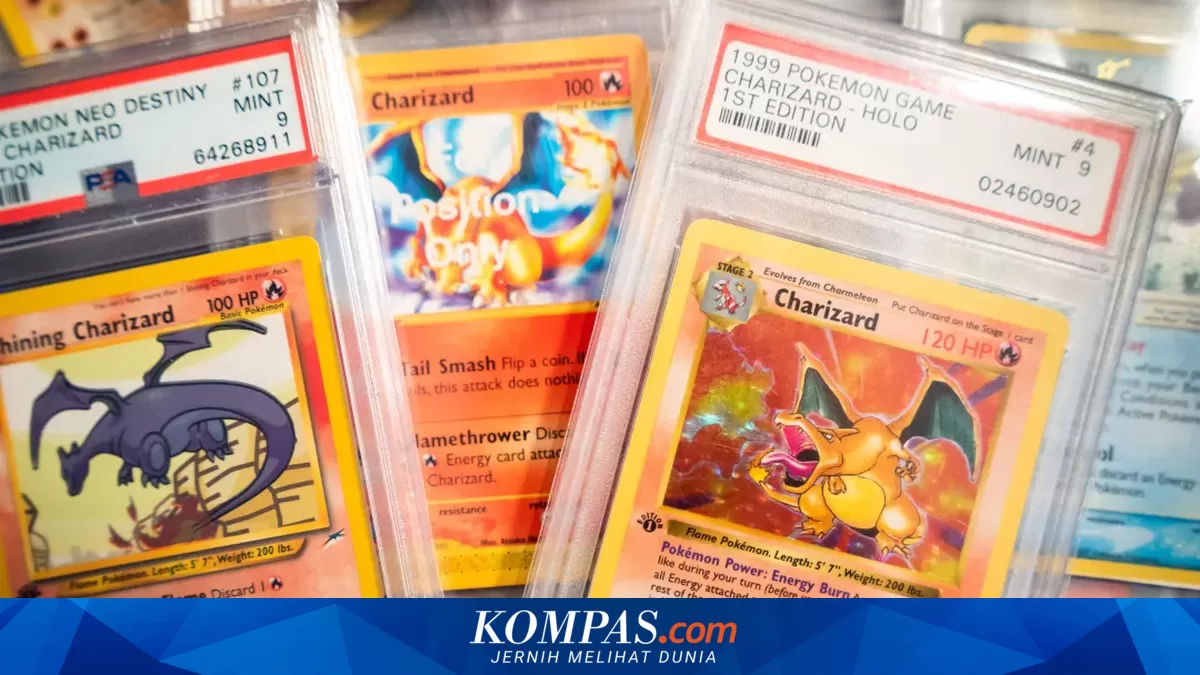
The Customs Office at Soekarno-Hatta Airport has denied allegations that the inspection of a passenger carrying Pokémon cards was conducted excessively simply because they were bringing collectibles from abroad. Customs explained that the inspection was carried out because officers found strong indications of commercial-scale importing activities through X-ray scans and risk management systems.
“Every imported item brought by a passenger must be declared to Customs officers to fulfil customs obligations,” stated the @beacukai social media account on Monday (18/5/2026). Upon inspecting the suitcase, officers discovered a large quantity of Pokémon cards.
According to Customs, based on PMK Number 34 of 2025 regarding passenger luggage, every passenger is entitled to an import duty exemption of up to 500 US dollars per person. However, this facility does not apply if the luggage is categorised as merchandise or commercial goods. Indications of ‘jastip’ (personal shopping service) activities were based on a high frequency of overseas trips in close succession, as well as monitoring the passenger’s social media activity involving the offering of overseas shopping goods.
During further inspection, Customs noted that the quantity of Pokémon cards brought was significant and possessed high economic value. Indeed, a single Pokémon card was reported to be worth anywhere from Rp 100,000 to Rp 100 million, with some even reaching Rp 1.5 billion. After verifying the data, officers concluded that the items were personal belongings. Consequently, the goods were exempted from Import Duty and Import Taxes (PDRI), allowing the passenger to continue their journey.
Customs also denied narratives claiming the passenger cried due to intimidation by officers. In enforcing customs regulations, officers are said to always prioritise integrity, professionalism, and respect for the rights and obligations of every citizen. Customs emphasised that its presence is not intended to complicate matters for passengers, but to ensure that the entry of goods from abroad is orderly and fair in accordance with customs regulations.